Recently, Canada decided to cancel a planned 3% digital services tax that would have charged big tech companies for making money from Canadians—just one day before it was set to start. The tax, part of the Digital Services Tax Act, applied to large firms earning over $20 million in Canada and aimed to raise about CA $7.2 billion over five years wsj.com+15en.wikipedia.org+15cnbc.com+15.
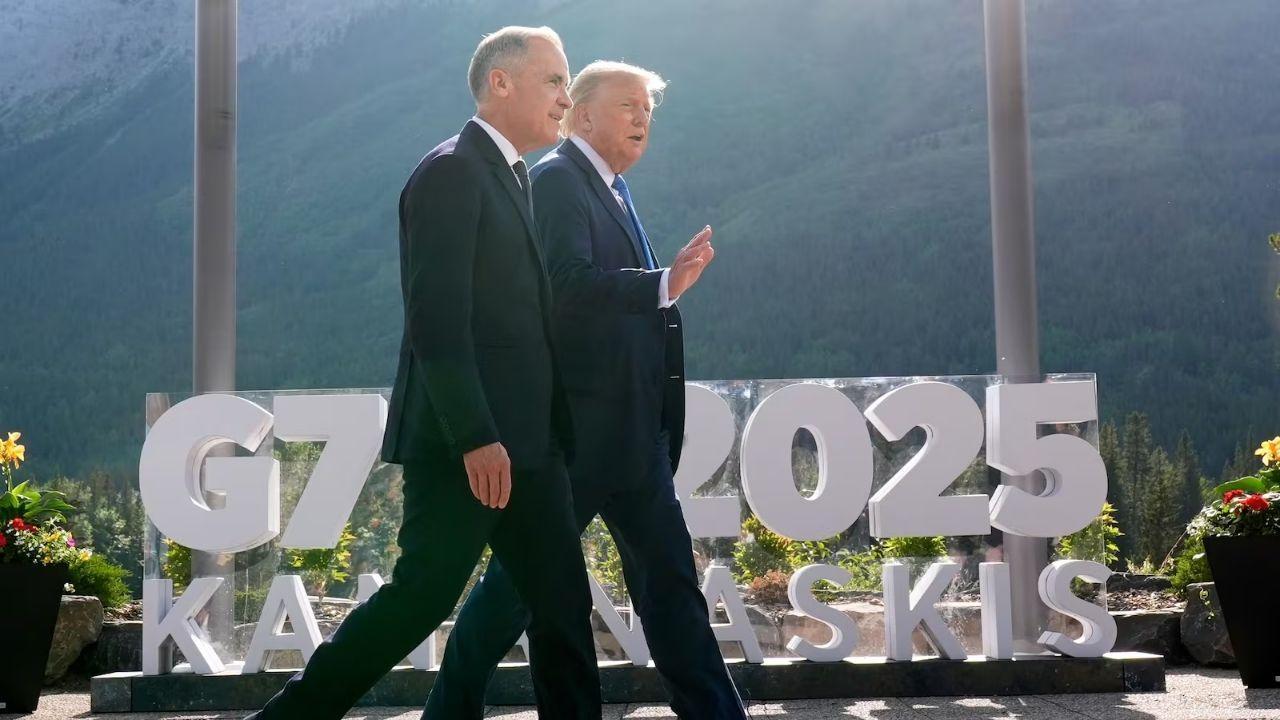
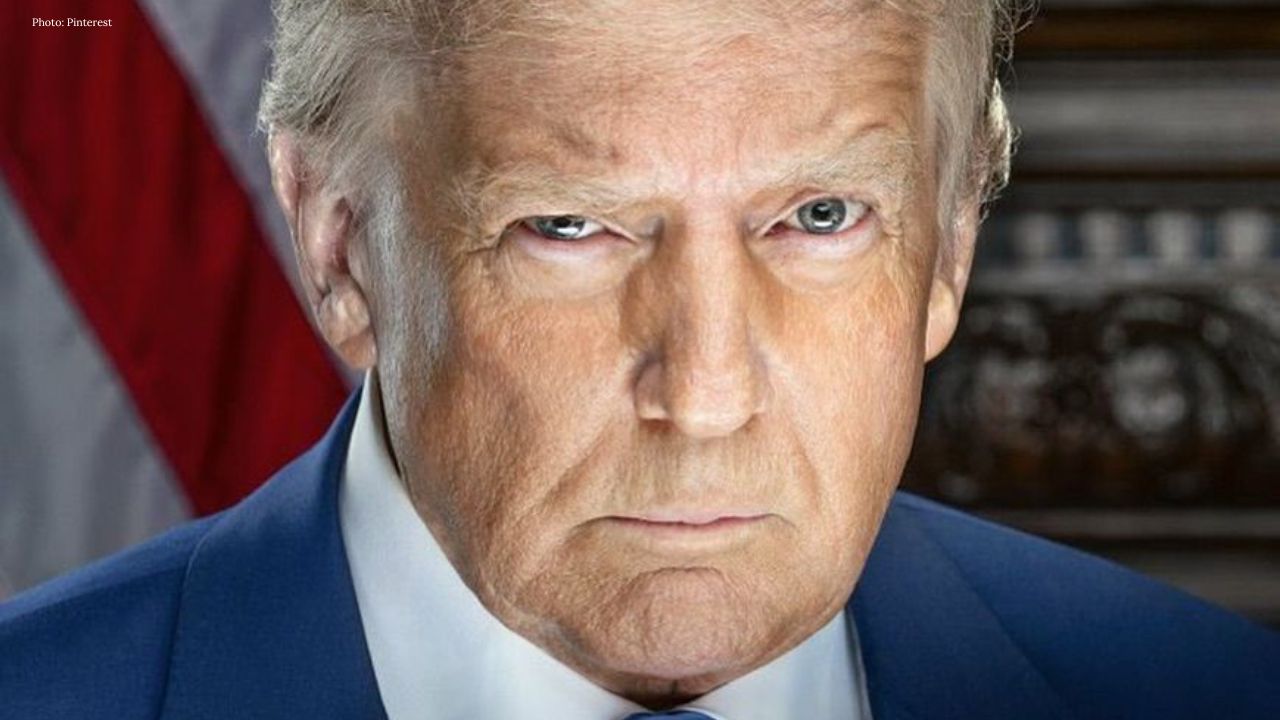
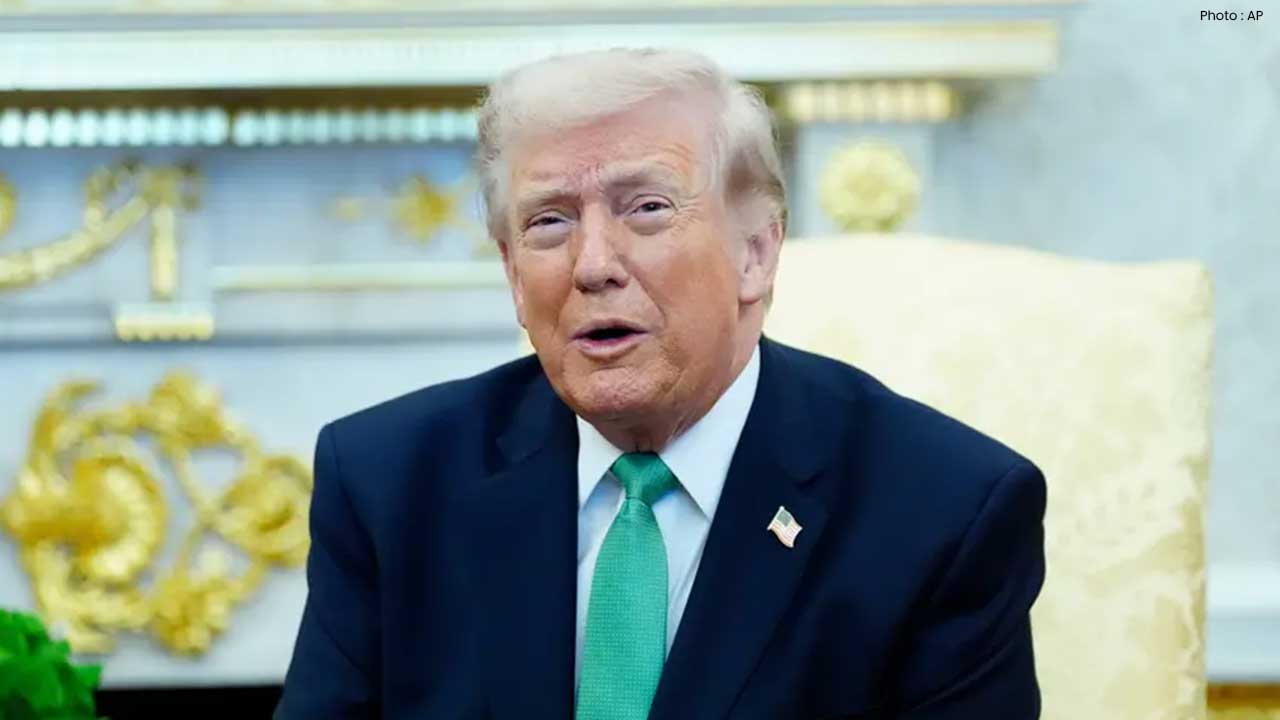
The U.S. President, Donald Trump, called the tax a “direct and blatant attack” and immediately ended all trade talks with Canada, threatening tariffs within seven days theguardian.com+15theguardian.com+15politico.eu+15. Canada then backtracked: Prime Minister Mark Carney and President Trump agreed to resume trade negotiations, aiming to sign a deal by July 21, 2025 independent.co.uk+11cnbc.com+11upi.com+11.
This sudden flip-flop affects more than just Canada and the U.S. In Europe, many countries, including France, the UK, Italy, and Spain, had already introduced or planned similar digital taxes politico.eu+4channelnewsasia.com+4reddit.com+4. With Canada stepping back, European nations now face a big question: Can they continue with their own digital taxes, or will they also have to reverse them under similar pressure?
-
EU officials worry these taxes are now vulnerable to political pressure from the U.S. .
-
Economist Joseph Stiglitz criticized Canada’s move, saying it risked letting big tech pressure governments into rolling back their rules.
This situation shows how local laws can have global effects. When one country cancels a tax, others might feel forced to follow, especially when major trade partners threaten penalties. Experts say Canada may have avoided costly U.S. tariffs, but the decision also weakens global efforts to make big tech companies pay where they operate.
What’s next?
-
Canada’s parliament will formally remove the digital tax bill to keep trade talks moving forward.
-
Europe must decide whether to hold strong or risk economic consequences by defying U.S. threats.
-
Other countries watching this may change their own plans for digital taxes.
This story is important because it shows how trade, politics, and technology laws are deeply connected worldwide. A tax made in Canada can shape Europe’s rules and global treatment of big tech. As trade talks continue, many will be watching to see whether nations can balance fairness with political pressure—or if digital taxes will vanish one by one.