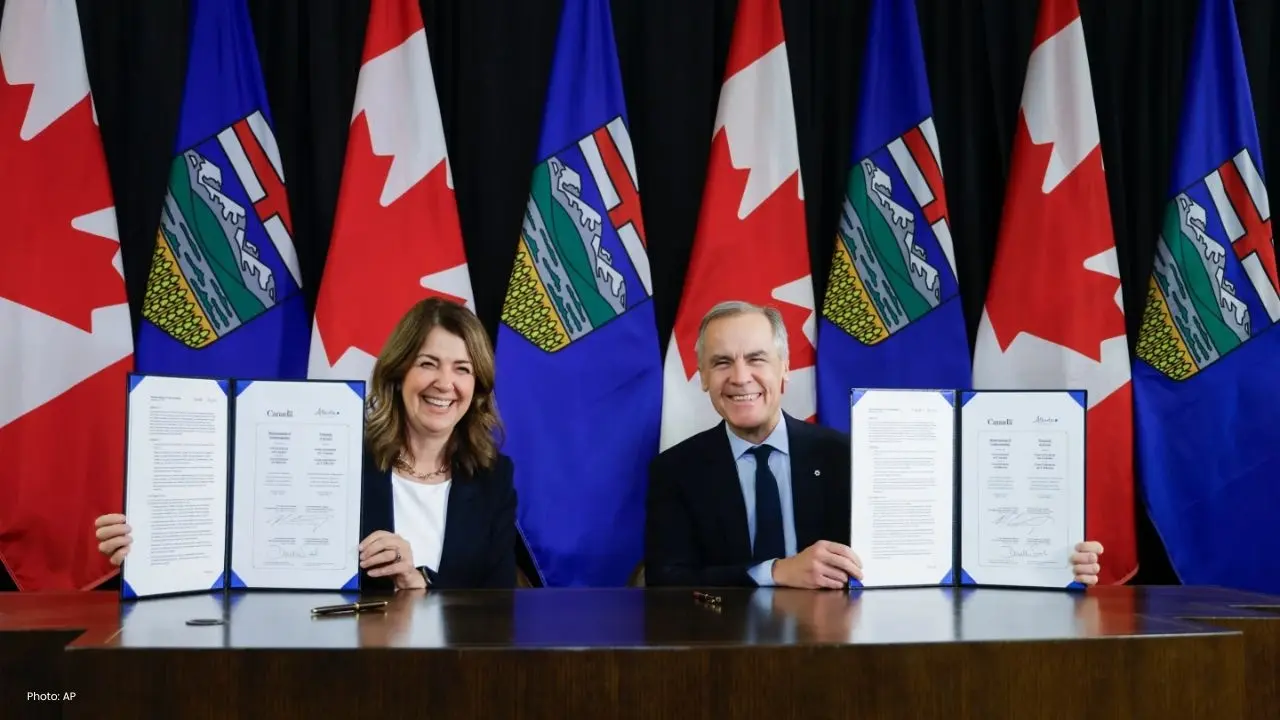
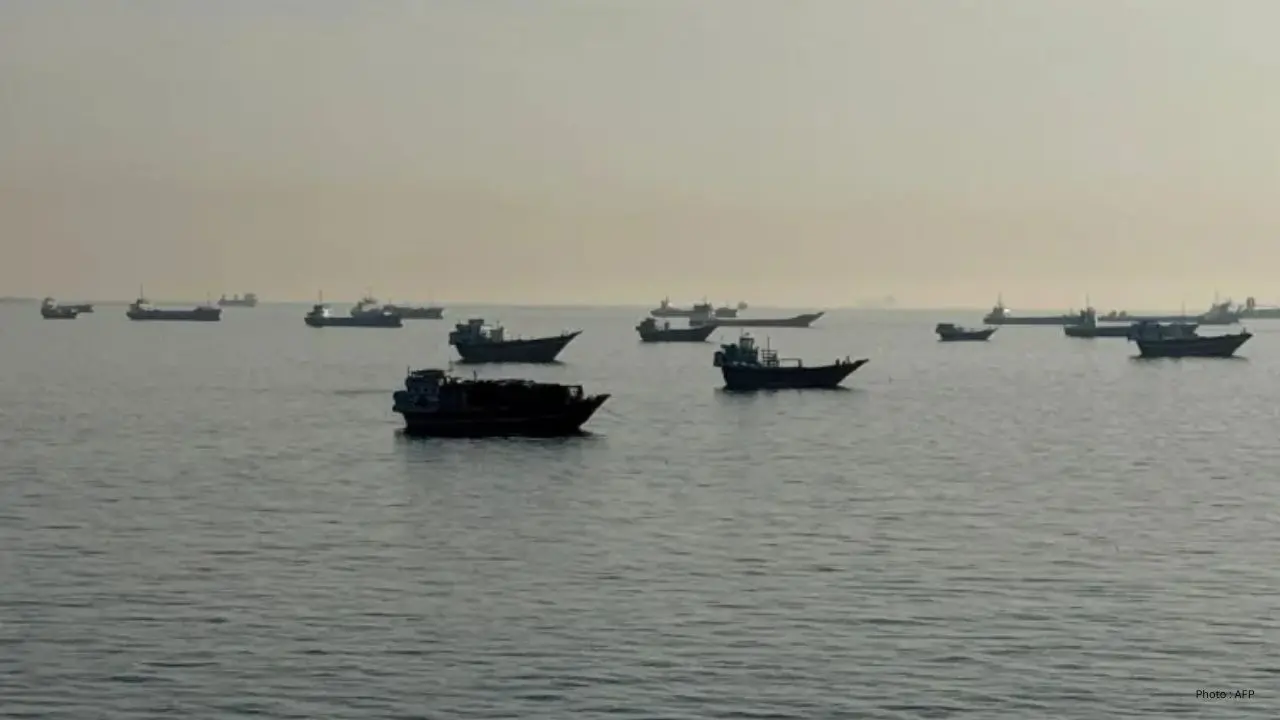
Canadian Prime Minister Mark Carney and Alberta Premier Danielle Smith have reached an agreement to pursue a pipeline to Canada’s Pacific Coast. The goal is to diversify the country’s oil exports beyond the United States and reduce dependence on a single market. The agreement also includes a possible adjustment to the oil tanker ban along parts of the British Columbia coast if the pipeline is completed.
The announcement led to the resignation of Steven Guilbeault, a minister and former environment official, who strongly opposed the project. Guilbeault expressed concerns about environmental risks, including the potential impact on the Great Bear Rainforest and the increased risk of oil spills along the coast. Despite stepping down from his cabinet position, he will remain a Liberal Member of Parliament.
Prime Minister Carney highlighted the strategic need to expand trade beyond the U.S., noting that over 95% of Canada’s energy exports currently go south. “This close interdependence, once a strength, has become a vulnerability,” he said. He added that a pipeline could help reduce the price discount Canada faces when selling oil to the U.S.
Alberta Premier Smith emphasized that the pipeline could transport more than 1 million barrels of oil per day to primarily Asian markets, helping Canada and Alberta reduce reliance on a single buyer for their most valuable resource.
The agreement calls for collaboration with British Columbia, which has seen strong opposition to oil tankers off its coast. BC Premier David Eby criticized the plan, stating that the project currently lacks a corporate backer, funding, or support from coastal First Nations. “This is a distraction from real projects,” Eby said, adding that the province has no interest in co-owning or sharing benefits from a project that could threaten its way of life.
Coastal First Nations leaders also voiced concerns about environmental risks, highlighting the potential impact on their communities and ecosystems.
The pipeline initiative is linked to a proposed carbon capture project. Government officials have said both projects must be developed together. Under the agreement, Ottawa and Alberta will work with companies to identify new emissions-reduction projects, with implementation planned to begin in 2027.
Historically, Canada has faced challenges balancing energy development with environmental protection. Former Prime Minister Justin Trudeau previously approved a pipeline from Alberta to British Columbia but rejected the Northern Gateway project, which would have carried 525,000 barrels per day through the Great Bear Rainforest to reach Pacific markets.
The current agreement represents the start of a process. Carney stressed that the pipeline will only proceed if a private sector partner comes forward, acknowledging that significant work remains to bring the project to fruition.