The Canadian Food Inspection Agency (CFIA) has announced a temporary suspension on certain livestock imports from Texas in an effort to protect Canada's animal health sector from the potential spread of New World screwworm. The move is aimed at preventing the dangerous parasite from entering the country and affecting Canada's livestock industry.
The agency said the temporary measure is being introduced as a precaution while authorities continue to monitor the situation and assess potential risks. The restriction applies to specific livestock coming from Texas and is intended to safeguard Canadian farmers and producers from the economic and animal health consequences associated with the parasite.
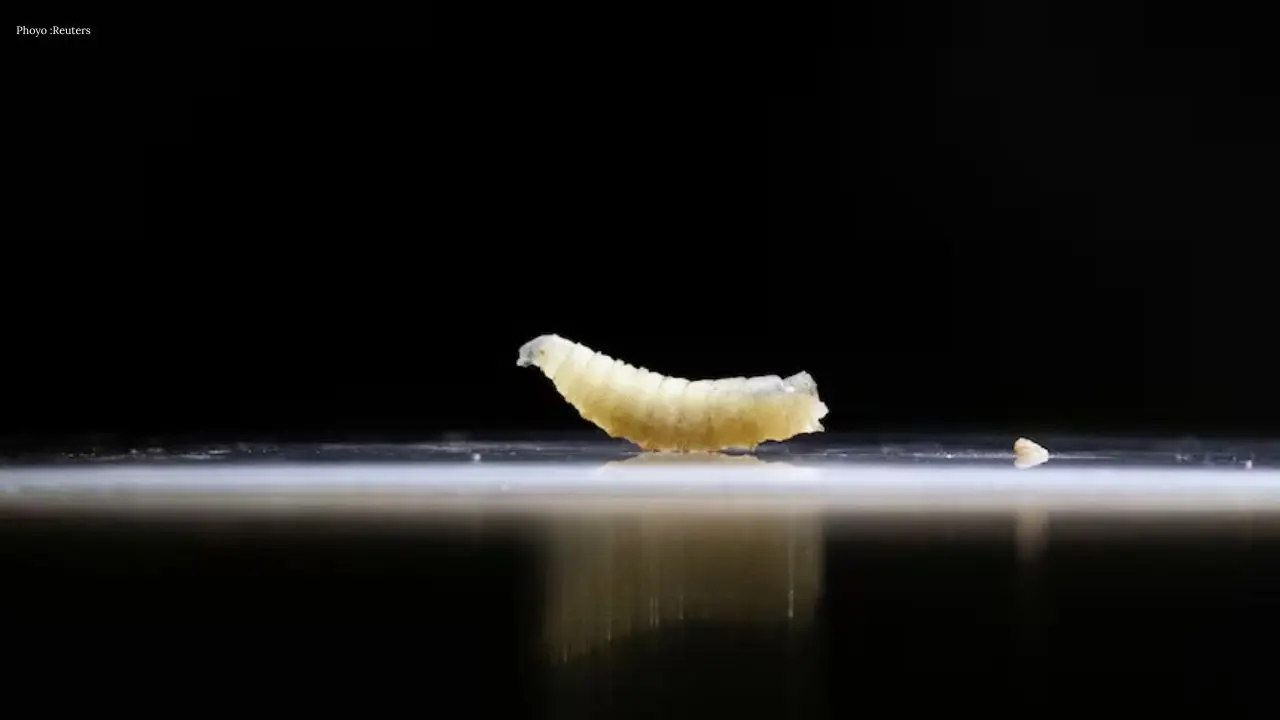
New World screwworm is a destructive pest whose larvae feed on the living tissue of warm-blooded animals. The parasite can infect cattle, horses, sheep, goats and other animals by entering open wounds, causing severe tissue damage and potentially leading to serious illness or death if left untreated.
Animal health experts consider the parasite a major threat to livestock industries because outbreaks can spread quickly and result in significant economic losses. Preventing the introduction of the pest has long been a priority for agricultural authorities in North America.
The CFIA said the temporary ban reflects Canada's commitment to maintaining strong biosecurity measures and protecting the country's livestock sector. The agency is working closely with veterinary experts and counterparts in the United States to monitor developments and determine when it may be safe to resume normal trade.
Canada's livestock industry contributes billions of dollars to the national economy and supports thousands of jobs across the country. Any outbreak of New World screwworm could affect producers, animal welfare and international trade. As a result, authorities often take preventive action when signs of potential risks emerge.
The suspension is expected to affect certain producers and businesses involved in cross-border livestock trade. However, officials emphasize that the measure is designed to minimize the chances of introducing a harmful parasite that could have far-reaching consequences for Canadian agriculture.
Biosecurity measures are considered essential to protecting the health of farm animals and ensuring the stability of food production systems. Federal authorities regularly evaluate disease and pest threats and adjust import requirements when necessary to reduce risks.
Agricultural groups and livestock producers closely follow such developments because the movement of animals between Canada and the United States plays an important role in the industry. Temporary restrictions are often implemented when concerns arise regarding animal diseases or parasites that could impact domestic herds.
The CFIA has not indicated how long the ban will remain in place. Officials said the decision will depend on ongoing risk assessments and the latest information available from animal health authorities. Further updates are expected as the situation evolves.
The latest action highlights the importance of early prevention and international cooperation in protecting animal health. By acting before the parasite reaches Canadian herds, authorities hope to avoid disruptions that could affect producers, consumers and export markets.
As monitoring efforts continue, the CFIA is expected to review the effectiveness of the restrictions and determine whether additional measures are necessary. The agency will continue working with industry partners and international authorities to ensure Canada's livestock sector remains protected from emerging threats.
Stay connected with us for more major updates and developments ahead.