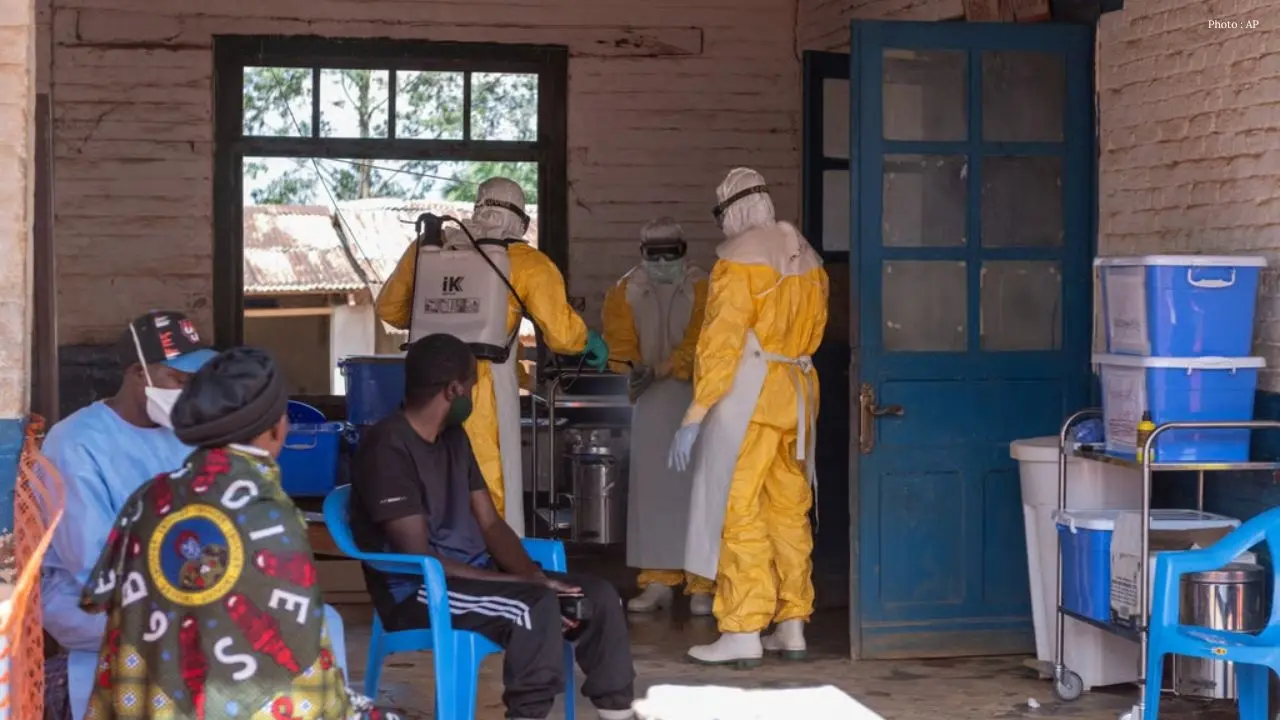
The World Health Organization (WHO) has warned that nearly 500 confirmed cases of Ebola have been recorded during the ongoing outbreak in Central Africa, raising concerns among health officials about the need for continued surveillance and rapid response measures to contain the disease.
According to the WHO, the outbreak remains a major public health challenge, with health workers and local authorities continuing efforts to track infections, treat patients and prevent further transmission. The organization has emphasized the importance of strengthening disease monitoring systems and ensuring that affected communities receive the support needed to limit the spread of the virus.
Ebola is a severe viral disease that can spread through direct contact with infected bodily fluids and contaminated materials. Past outbreaks have demonstrated the importance of early detection, isolation of patients and coordinated public health measures. Health experts say rapid intervention is critical to reducing fatalities and preventing wider transmission.
The latest figures indicate that the outbreak has affected several areas in Central Africa. Medical teams have been working with local governments and international organizations to identify cases, trace contacts and improve access to healthcare services. Vaccination campaigns and public awareness programs have also formed part of the response strategy aimed at controlling the outbreak.
WHO officials have stressed that international cooperation remains essential. Public health agencies and humanitarian organizations have been mobilizing resources to assist affected communities and support national authorities. The organization continues to monitor developments closely and provide technical assistance where required.
Previous Ebola outbreaks have highlighted the challenges of responding to infectious diseases in regions with limited healthcare infrastructure. Experts note that outbreaks can become more difficult to control when access to medical facilities is restricted or when conflict and displacement disrupt public health operations.
Community engagement is considered a key part of the response. Health authorities have been encouraging residents to report symptoms quickly and follow safety recommendations. Education campaigns have also been aimed at reducing misinformation and improving awareness about prevention measures.
Although the current outbreak remains concentrated in Central Africa, international health officials continue to monitor the situation because infectious diseases can pose risks beyond national borders. Global health agencies have emphasized that coordinated action is necessary to reduce the likelihood of wider spread.
The WHO has repeatedly called for sustained investment in healthcare systems and emergency preparedness. Strengthening laboratory capacity, improving surveillance networks and ensuring adequate supplies of vaccines and medical equipment are considered important components of outbreak management.
Medical experts say advances in vaccines and treatment options have improved the ability to respond to Ebola compared with earlier outbreaks. However, they caution that continued vigilance is essential, particularly in areas where healthcare resources are limited.
Governments and aid agencies are expected to continue working together to support affected regions and ensure that response efforts remain effective. Public health officials have also urged neighbouring countries to maintain strong monitoring systems and preparedness plans.
The latest outbreak serves as a reminder of the ongoing challenges posed by infectious diseases and the importance of international cooperation in protecting public health. While progress has been made in managing Ebola outbreaks in recent years, health authorities say sustained efforts are required to prevent further infections and save lives.
As response teams continue their work, the WHO and partner organizations are expected to focus on expanding surveillance, supporting treatment centres and strengthening vaccination efforts. These measures will be critical in limiting the outbreak and reducing its long-term impact on affected communities.
Stay connected with us for more major updates and developments ahead.