Photo: AP
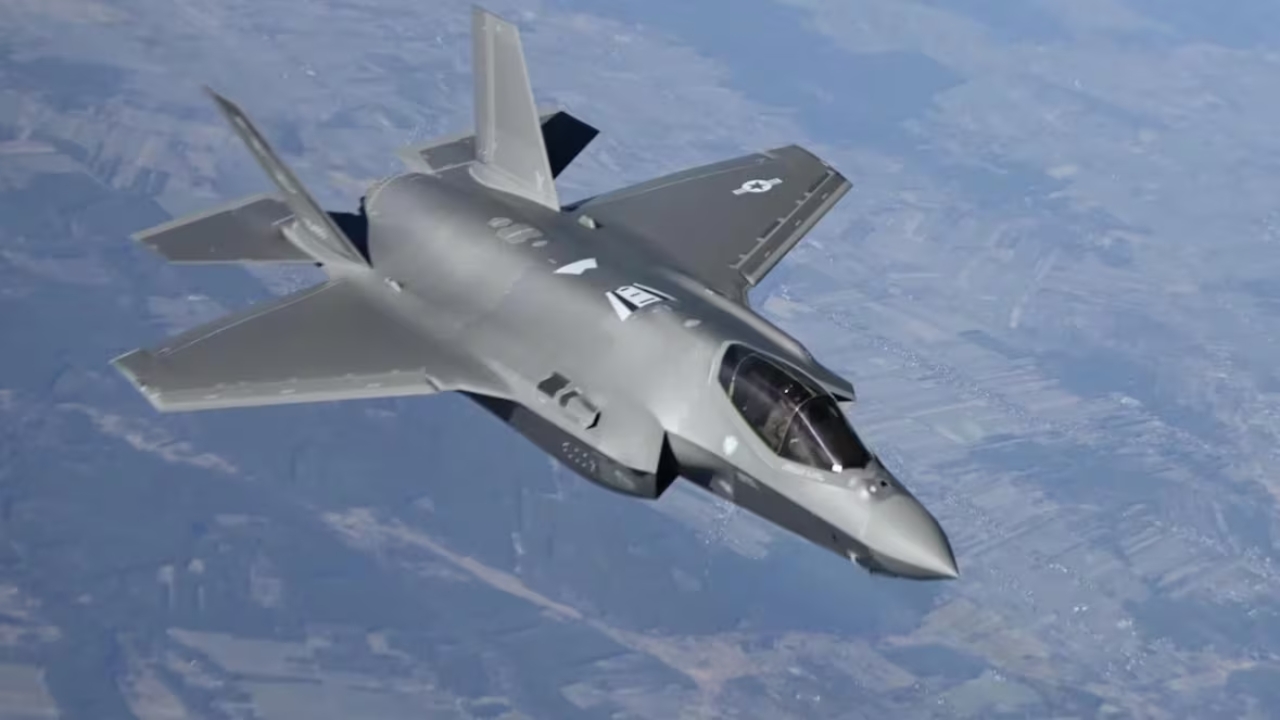
Canada has announced a plan to buy F-35 fighter jets from the United States. These jets are advanced, modern aircraft that are used by many countries to strengthen their air forces. Canada wants to replace its older CF-18 fighter jets, which have been in service for decades. The government says the F-35 jets will help maintain Canada’s national security and defend its airspace effectively.
The plan is part of a larger military modernization strategy. Canada’s air force has relied on the CF-18s for a long time. While these older jets have served the country well, they are aging, expensive to maintain, and not as capable as modern aircraft. Many parts of the CF-18s are worn out, and replacing them with new jets is essential for Canada’s defence.
Why Canada Needs the F-35 Jets
The main reason for buying the F-35s is national security. Canada needs modern fighter jets to protect its borders, airspace, and interests at home and abroad. The F-35s are stealth jets with advanced radar, speed, and weapon systems. They can operate in difficult conditions and are capable of handling modern threats more effectively than older jets.
Defence experts say that having advanced aircraft is important because other countries are also upgrading their military technology. Without modern jets, Canada risks falling behind in terms of defence capability. The F-35s allow Canada to participate in international missions with allies, such as NATO operations or United Nations peacekeeping efforts.
The Deal with the United States
Canada has negotiated a deal with the United States to buy 88 F-35 jets. The deal includes the purchase of the aircraft, training for Canadian pilots, maintenance services, and spare parts. The total cost is expected to be around $19 billion Canadian dollars. This makes it one of the largest military spending decisions in recent years.
The Canadian government emphasizes that the deal also benefits the economy. Some of the work related to maintenance, repairs, and training will create jobs for Canadians. Companies in Canada may participate in providing parts and services, supporting local employment and the aerospace industry.
The F-35 jets are expected to start arriving in Canada in the coming years, after pilot training and infrastructure preparation. The government is also preparing bases and facilities to accommodate the new aircraft.
Concerns About the Cost
Not everyone supports the F-35 purchase. Many Canadians and experts are concerned about the high cost of the jets. Critics argue that $19 billion could be spent on other priorities, such as healthcare, education, or infrastructure.
Some people also question whether Canada really needs F-35s. They suggest that upgrading the existing CF-18s or purchasing other, less expensive aircraft could meet Canada’s defence needs at a lower cost.
There are additional costs beyond the purchase price. Maintaining the jets, training pilots, and updating airbases will add to the total expense. Critics worry that these costs could rise over time, potentially creating a burden on taxpayers.
Support for the Deal
Supporters of the F-35 purchase say that the jets are necessary for Canada’s defence. They argue that modern aircraft are essential to maintain Canada’s security and to participate in international military operations.
Defence experts note that the F-35 jets provide Canada with advanced technology that older aircraft cannot match. Stealth capabilities, modern weapons systems, and superior radar allow Canada to defend its airspace more effectively.
Some supporters also point out that the deal will create jobs and boost the economy. Canadian companies may supply parts, perform maintenance, and provide training, which could benefit local communities and industries.
Impact on Canadian Military Strategy
The F-35 jets are not just about replacing old aircraft—they are part of a broader strategy to modernize the Canadian military. Modern jets allow Canada to:
- Respond quickly to threats in North America, including emergencies in the Arctic.
- Participate in international missions alongside allies.
- Protect Canadian airspace against potential attacks or intrusions.
- Maintain technological parity with other countries’ militaries.
- The government says that these jets are an investment in Canada’s long-term security and defence readiness.
Political Debate
The decision to buy F-35s has sparked debate in Canadian politics. Opposition parties and some members of the public question whether the deal is the best choice. They raise concerns about costs, necessity, and the impact on taxpayers.
Proponents argue that the F-35s are the most advanced option available and are necessary for Canada’s defence. They say that the decision is based on careful planning and long-term security needs.
Politicians also debate the transparency of the deal. Some critics want more public discussion about the costs and the benefits before the government commits fully to the purchase.
International Context
Canada is not the only country buying F-35 jets. Many allied nations, including the United States, the United Kingdom, and Australia, use these aircraft. Having similar jets allows Canada to operate effectively with allies in joint missions.
The F-35 jets are considered fifth-generation fighters, meaning they have advanced technology compared to older aircraft. This includes stealth features, faster speeds, longer ranges, and improved radar and weapons systems. Being part of the F-35 program also gives Canada access to technical support, training, and international intelligence sharing.
Impact on Canadian Citizens
The purchase of F-35 jets has an impact on all Canadians. While it may improve national security, it also involves significant public spending. Some Canadians worry about the long-term costs and how they will affect government budgets.
For example, $19 billion spent on jets is money that cannot be used immediately for hospitals, schools, or social programs. Critics argue that the government should carefully weigh security needs against other public priorities.
Supporters respond that national security is a vital responsibility, and modern jets are necessary to keep Canadians safe. They say that the benefits of advanced defence capabilities outweigh the costs.
Training and Infrastructure
Implementing the F-35 program requires more than buying planes. Canada must also train pilots to operate the new jets, maintain the aircraft, and upgrade airbases to handle the advanced technology.
Training pilots is complex and takes several years. F-35 jets are different from CF-18s, and pilots need to learn new systems, weapons, and flying techniques. Canada will also need specialized maintenance teams to ensure that the aircraft remain in top condition.
Infrastructure upgrades include hangars, runways, and support equipment. These investments ensure that the jets can be used safely and effectively once they arrive in Canada.
Economic Benefits
Despite concerns about cost, the F-35 deal could provide economic benefits. Some Canadian aerospace companies may participate in producing parts or providing services for the jets. Jobs will be created in maintenance, training, and technical support.
The deal may also stimulate research and development in aerospace technologies, giving Canada an advantage in high-tech industries. Supporters argue that the purchase is both a defence and economic investment.
Future Considerations
The purchase of F-35 jets is a long-term plan. Canada will operate the new aircraft for decades, making them a central part of the air force. Officials are planning for ongoing maintenance, upgrades, and training programs to ensure that the jets remain effective.
Over the next few years, Canada will gradually phase out older CF-18s and bring the F-35s into service. The government has emphasized careful planning to avoid gaps in defence capability during the transition.
Public Opinion
Public opinion about the F-35 purchase is mixed. Some Canadians support the deal because they see the importance of modern jets for national security. Others are concerned about the high cost and argue that there may be less expensive alternatives.
Surveys suggest that Canadians want transparency and clear explanations about how the jets will be used, how much they will cost over time, and how the government plans to balance defence spending with other priorities.
Canada’s plan to buy F-35 fighter jets from the United States represents a major step in modernizing the country’s military. The jets will replace aging CF-18s and provide advanced capabilities to protect Canadian airspace and participate in international missions.
While the deal has raised concerns about cost and necessity, it also offers benefits such as improved defence capabilities, economic opportunities, and strengthened alliances with other countries.
The future of Canada’s air force will be shaped by these new jets, and the government plans to ensure that the transition is smooth, cost-effective, and beneficial for both national security and Canadian taxpayers.
Canada’s decision highlights the challenges governments face in balancing defence, public spending, and international commitments. The F-35 purchase will be closely watched by Canadians, defence experts, and international partners for years to come.