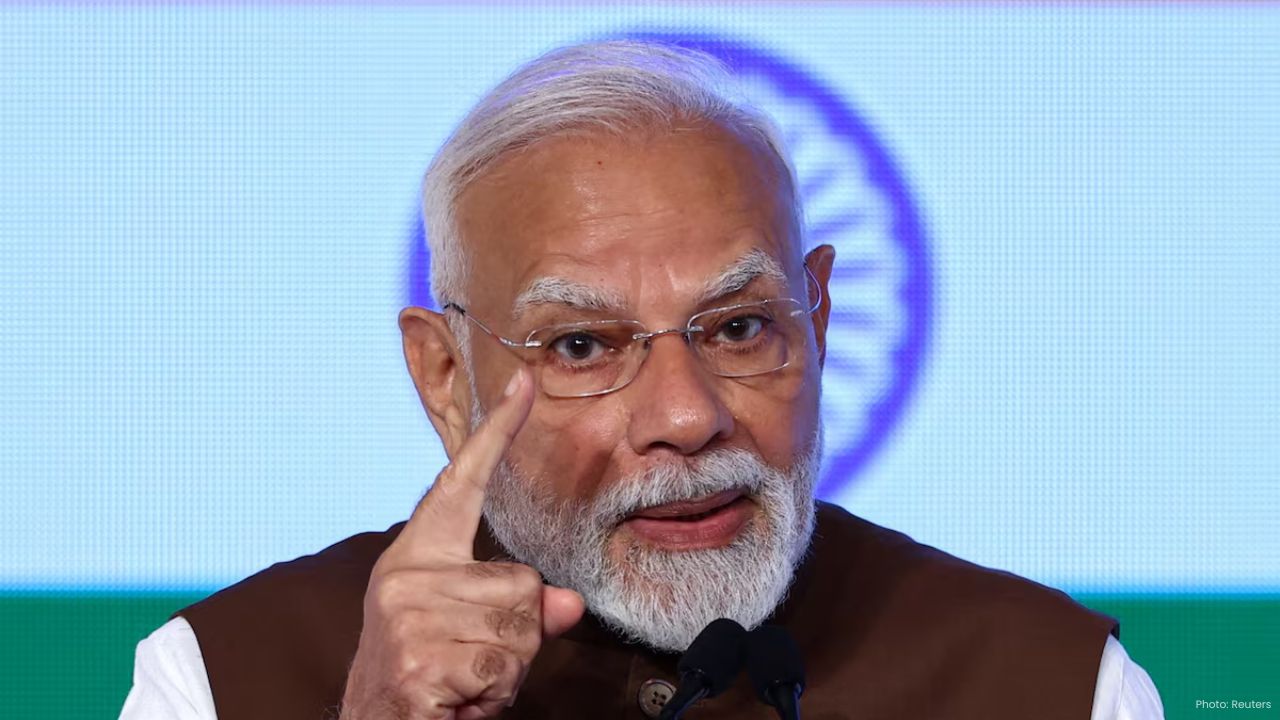
Canada and India are embarking on a careful reset of diplomatic and economic ties after a tumultuous period marked by political tensions and mutual distrust. The rapprochement comes two years after the bilateral relationship was shaken when Canadian Prime Minister Justin Trudeau publicly suggested India may have been involved in the 2023 murder of Canadian Sikh activist Hardeep Singh Nijjar in Vancouver.
The incident triggered a diplomatic crisis, including the expulsion of diplomats, suspension of visa services, and a freeze on trade negotiations. The relationship further shifted under the “America First” era of U.S. policy, which deprioritized traditional allies.
Diplomatic Engagements Signal New Chapter
Canadian Prime Minister Mark Carney opened the door to a more pragmatic, interests-based policy by inviting Indian Prime Minister Narendra Modi to the G7 summit in Alberta in June 2025. India responded positively, appointing new high commissioners and re-engaging on security and trade matters.
This week, Canada’s Foreign Affairs Minister Anita Anand met her Indian counterpart, S. Jaishankar, at the United Nations. Ottawa also designated India’s Bishnoi gang as a terrorist organization, a move seen as a step to strengthen law enforcement cooperation between the two countries.
Economic Opportunities Drive the Reset
Economic interests are central to the new approach. Despite diplomatic frictions, Canadian pension funds have increased investment in India, with flows rising from 10% of total overseas allocations over 2004–2019 to 25% between 2019 and 2023. Ontario Teachers’ Pension Plan and Brookfield Asset Management have led investments in infrastructure, AI, clean energy, and office space across Indian cities.
Trade between the two nations has grown steadily, with India now Canada’s 7th-largest trading partner, while Canada ranks only 30th for India. Bilateral trade reached $31 billion in 2024, compared to $117 billion with China. Analysts say rebuilding Canada’s reputation as an education destination for Indian students is crucial for further progress.
Balancing Interests and Rising Powers
Canada faces a new India—economically robust, politically confident, and technologically advanced. India’s GDP growth and expansion in rural incomes, along with its digital infrastructure like the Aadhaar biometric ID system covering over 90% of the population, underscore the country’s global ambitions.
Meanwhile, Canada’s domestic demographic shift—with half a million people of Indian origin added over the past decade—creates both opportunities and challenges for foreign policy. Carney’s government aims to prioritize economic interests, while insulating them from diaspora politics.
Experts note that both nations must recognize their mutual strengths and strategic value, particularly in multilateral forums, to avoid repeating past periods of disengagement.
Historical Context and Future Prospects
India-Canada relations have historically experienced highs and lows, notably hitting a low in 1975 following India’s nuclear test and declaration of emergency. Recovery took more than two decades.
Today, both countries face a global environment shaped by multipolar tensions and U.S.-China rivalry. Analysts stress that an enduring partnership will require compromises, interest-based diplomacy, and recognition of mutual benefits—from energy and advanced manufacturing to technology and multilateral collaboration.
For Canada and India, the message is clear: too much is at stake for another prolonged period of estrangement.