Canada has officially designated the Bishnoi gang, a transnational criminal organization originating from India, as a terrorist entity. The federal government now has the legal authority to freeze the gang’s assets and seize property in the country. The designation also equips Canadian law enforcement with stronger tools to prosecute offences such as financing terrorism, recruitment, and illegal travel.
Public Safety Minister Gary Anandasangaree announced the decision on Monday, emphasizing the gang’s impact on communities in Canada. “Specific communities have been targeted for terror, violence, and intimidation by the Bishnoi gang,” Anandasangaree said. “Listing this group of criminal terrorists gives us more powerful and effective tools to confront and put a stop to their crimes.”
Bishnoi Gang’s Activities in Canada and India
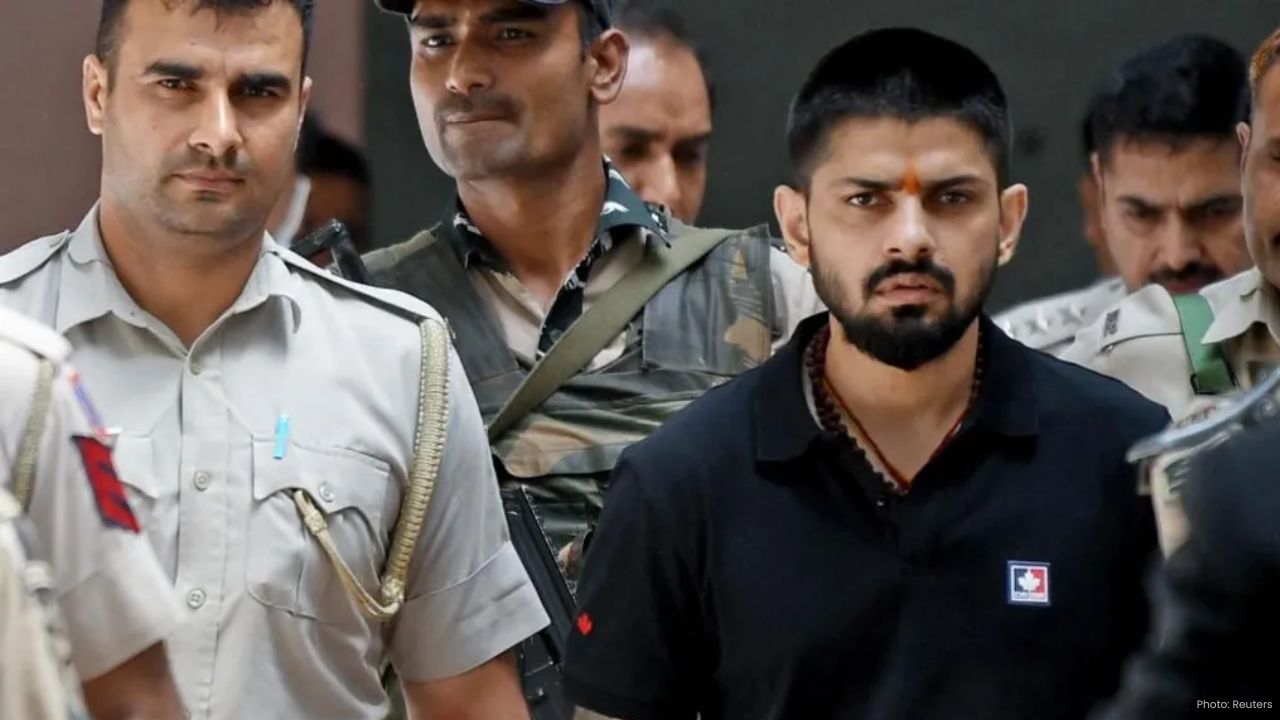
Canada describes the Bishnoi gang as being led by Lawrence Bishnoi, a 32-year-old Indian gangster who has been imprisoned for a decade in India. Despite being behind bars, Bishnoi allegedly continues to control a network of around 700 gang members. In India, investigations have linked the gang to extortion of celebrities, smuggling drugs and weapons, and carrying out targeted killings.
Canadian authorities report that the gang has an active presence in Canada, particularly in areas with significant Indian diaspora communities. Over the past year, Canadian police alleged that agents of the Indian government had used Bishnoi members to conduct violent acts, including homicides and extortion, against supporters of the pro-Khalistan movement. India denied these allegations at the time, stating that Canada had not provided sufficient evidence.
Legal Powers and Enforcement
The designation allows Canada to implement several measures against the gang. Authorities can now seize property and freeze financial assets connected to Bishnoi members. It also enables law enforcement to prosecute individuals involved in financing terrorism, recruiting members, and traveling abroad for illegal or violent purposes.
The move follows growing pressure from opposition parties and provincial leaders in Alberta and British Columbia. These officials argued that labeling the gang as a terrorist entity would provide the federal government with legal tools to counteract the gang’s activities and impose sanctions.
Historical Context: The Nijjar Killing and Diplomatic Tensions
The decision comes in the backdrop of strained Canada-India relations following the 2023 killing of Sikh separatist leader Hardeep Singh Nijjar in Surrey, British Columbia. Nijjar, who had been designated a terrorist by India in 2020, was shot dead by two gunmen outside a Sikh temple. Four men have been charged in connection with the murder.
Following the incident, former Canadian Prime Minister Justin Trudeau publicly accused the Indian government of being involved in Nijjar’s killing, heightening diplomatic tensions between the two nations. Since then, both countries have been working to restore bilateral relations.
In August 2025, Canada and India appointed new high commissioners to facilitate improved diplomatic communication. Last week, Canada’s Prime Minister Mark Carney’s national security adviser, Nathalie Drouin, said India had committed to cooperating with Canadian officials in ongoing investigations. Drouin confirmed that discussions included agreements on non-interference and refraining from transnational repression.
International and Domestic Implications
The designation of the Bishnoi gang as a terrorist entity is expected to have significant implications both in Canada and internationally. By labeling the group as a terrorist, Canada aligns its domestic law enforcement framework with global counter-terrorism standards, allowing for stricter monitoring and prosecution of gang members.
For Indian authorities, the decision highlights ongoing concerns about transnational criminal networks operating outside national borders. Investigators in India have long maintained that Lawrence Bishnoi directs operations from prison, using a network of trusted associates to extend influence abroad.
Canada’s action may also influence diaspora communities, offering them protection from intimidation and criminal pressure. Many of these communities have reportedly faced harassment and threats from Bishnoi gang affiliates in the past. The designation aims to curb such activities and restore a sense of security among residents.
Lawrence Bishnoi: A Gangster’s Reach Across Borders
Lawrence Bishnoi’s notoriety stems from his ability to control a criminal network while serving time in prison. His gang is accused of extortion targeting Bollywood celebrities, large-scale drug and weapon smuggling, and orchestrating targeted assassinations in India. Canadian authorities are concerned that his influence extends to organized crime activities in Canada, especially in provinces with dense Indian diaspora populations such as British Columbia and Alberta.
Bishnoi’s imprisonment has not curtailed the gang’s operations. Investigators say he continues to direct crimes remotely, maintaining loyalty among hundreds of gang members. Law enforcement officials in both India and Canada view this transnational reach as a serious threat, underscoring the need for coordinated international countermeasures.
Government Response and Public Safety
Public Safety Minister Gary Anandasangaree stressed that the designation is primarily aimed at protecting communities from violence and intimidation. “This is about ensuring the safety of our citizens and diaspora communities,” he said. “By formally recognizing the Bishnoi gang as a terrorist organization, we can prevent further crimes and dismantle their operations effectively.”
The Canadian government has also indicated that it will continue monitoring the group’s activities, working closely with law enforcement agencies and international partners. The combination of legal powers, intelligence-sharing, and community protection measures is intended to significantly disrupt the gang’s operations in Canada.
Canada’s move to list the Bishnoi gang as a terrorist entity is expected to strengthen law enforcement capabilities and deter transnational criminal activity. The government has signaled its commitment to ongoing cooperation with Indian authorities, focusing on legal frameworks, security measures, and diplomatic engagement.
Investigations into the gang’s activities, including links to violent crimes and organized extortion, are likely to continue over the coming months. Both countries have pledged to maintain open lines of communication, ensuring that transnational crime does not undermine public safety or bilateral relations.
Canada has taken a decisive step in targeting the Bishnoi gang, providing law enforcement with enhanced tools to protect communities and prosecute transnational criminal activity. Authorities continue to monitor developments closely, and cooperation with India is ongoing to address security concerns and prevent future violence.