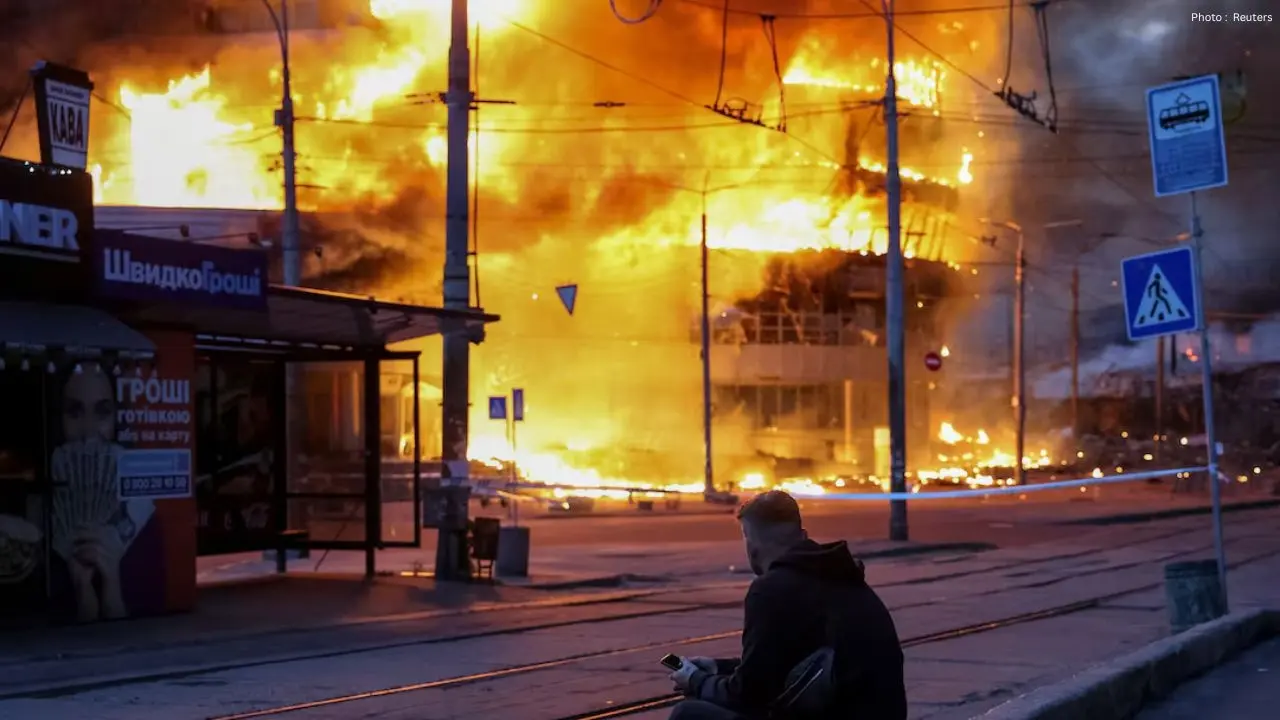
As Canada heads toward the 2025 federal election, one issue is rapidly climbing to the top of voter concerns: crime and public safety. Recent polling shows Canadians are increasingly worried about rising crime rates, neighborhood security, and how politicians plan to respond. For political parties, this is no longer a side issue — it is emerging as a decisive factor that could sway the outcome of the next election.
Crime and Safety in the Polls
National opinion surveys conducted in mid-2025 reveal that crime and safety have broken into the top three voter concerns, alongside healthcare and affordability.
-
In provinces such as Alberta, Saskatchewan, and Ontario, safety concerns have now risen to the number one local issue.
-
Polling firms like Ipsos and Angus Reid report that terms such as “public safety,” “violent crime,” and “community policing” are being mentioned more frequently compared to 2023–24.
This shift matters because it indicates Canadians are not only focused on affordability and economic security but are also deeply concerned about whether they feel safe in their neighborhoods and communities.
Why Crime Is Surging as a Voter Concern
Several factors are pushing crime and public safety into the spotlight of the 2025 election:
-
Visible Crime in Cities
Rising reports of violent assaults, car thefts, and organized retail crime in major cities like Toronto, Vancouver, and Edmonton are dominating headlines.
-
Drug Crisis and Homelessness
The ongoing opioid epidemic and visible homelessness in downtown cores are strongly influencing how voters perceive safety.
-
Media Amplification
High-profile incidents — from random subway stabbings to rural property theft — receive extensive coverage, fueling public anxiety.
-
Election Timing
With federal elections approaching, opposition parties are seizing on crime statistics and incidents to criticize the government, magnifying the issue’s visibility.
What Voters Expect from Parties
Canadians are demanding clear, practical, and community-driven solutions to crime. Their expectations include:
-
Clear Crime Policies: Voters want actionable plans rather than broad promises — more policing resources, crime prevention strategies, and justice reforms.
-
Balanced Approach: While many Canadians support tougher penalties, they also expect governments to tackle root causes like addiction, poverty, and mental health.
-
Local Engagement: Communities want reassurance that politicians understand regional differences in crime rather than relying on national talking points.
How Political Parties Are Responding
Each party is framing crime and safety within its own political narrative:
-
Liberals
-
Promoting investments in community safety programs and partnerships with police.
-
Emphasizing measures against gun violence and cross-border smuggling.
-
Critics argue the approach is reactive and lacks bold new ideas.
-
Conservatives
-
Branding themselves as the law-and-order party.
-
Proposals include stricter sentencing, stronger bail reforms, and expanded police powers.
-
Polls suggest this message resonates strongly in suburban and rural ridings.
-
New Democrats (NDP)
-
Stressing social determinants of crime, such as housing, mental health, and addiction treatment.
-
Advocating for selective decriminalization of drug offenses combined with expanded health services.
-
Bloc Québécois
-
Greens
Risks for All Parties
While crime is a key issue, it also carries political risks:
-
Over-Promising: If policies fail to reduce crime quickly, voters may penalize whichever party is in government.
-
Polarization: A hardline “tough on crime” stance could alienate progressive voters who prefer prevention-based approaches.
-
Regional Divides: Rural and urban communities experience crime differently, making one-size-fits-all policies ineffective.
What Needs to Happen Now
To address voter concerns effectively, political parties must act with urgency and balance. Four key steps are critical:
-
National Strategy: Canadians expect a coordinated plan that combines federal leadership with provincial and municipal action.
-
Evidence-Based Policy: Short-term “tough talk” may win headlines, but long-term solutions require investments in prevention and rehabilitation.
-
Transparency: Governments need to share reliable crime data with the public to counter misinformation and rebuild trust.
-
Balanced Messaging: Political leaders must show they care equally about protecting communities and ensuring fairness in the justice system.
Conclusion
Crime and safety have moved to the forefront of Canadian politics in 2025. For voters, this is not an abstract debate — it is about whether they feel secure on the streets, in their homes, and in public spaces.
For political parties, the warning is clear: ignore public safety at your own risk. The party that can convince Canadians it has a credible plan to reduce crime while addressing root causes will gain a decisive edge in the upcoming election.
Disclaimer
This article is based on recent polling data, public reports, and political party statements as of 2025. It is intended for informational and analytical purposes only and should not be interpreted as partisan endorsement or official election guidance. Readers are encouraged to consult multiple sources for a complete understanding of the issue.