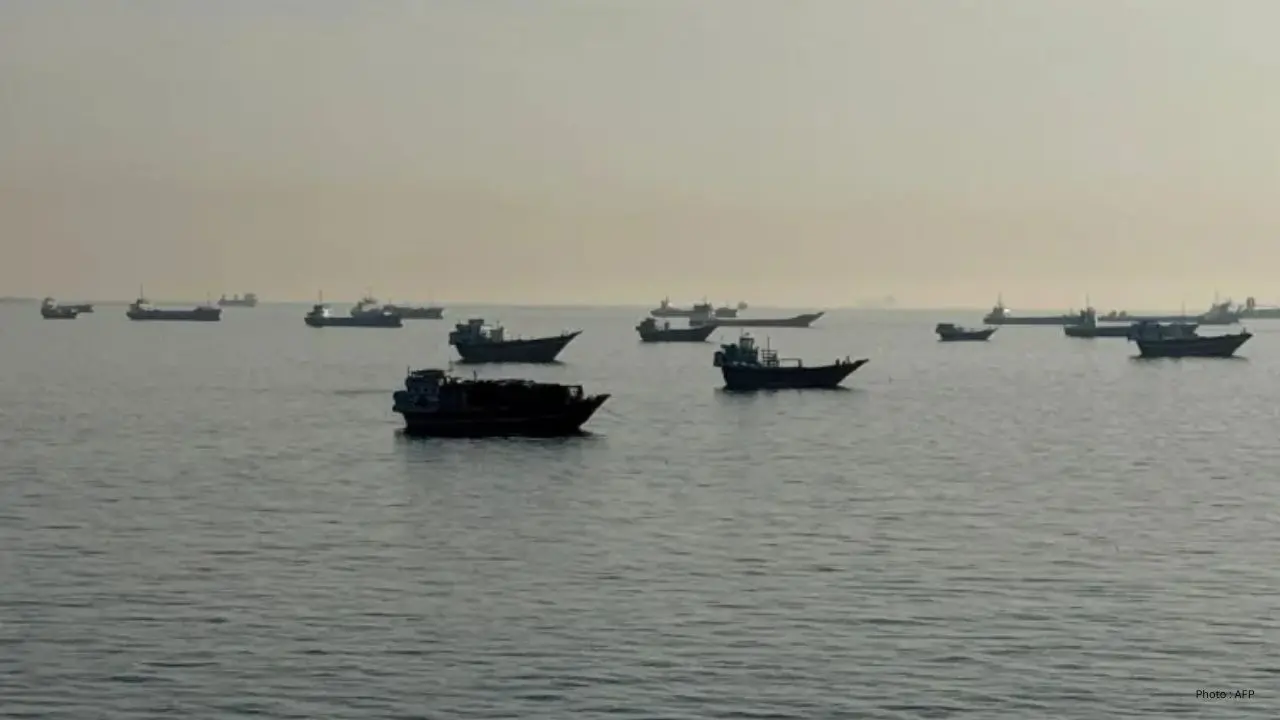
Photo:Reuters
In recent months, the trade tensions between Canada and China have deepened, marking yet another chapter in a complicated economic relationship. The latest flare-ups involve two critical goods: Canadian canola seeds and steel products. These developments not only affect the economies of these two nations but also have broader implications for global trade and diplomacy.
The Origins of the Dispute
The current trade rift traces back more than a year. In August 2024, Canada enforced tariffs on Chinese electric vehicles as part of protecting its own domestic industries and responding to concerns about unfair trade practices. In retaliation, China targeted Canadian agricultural and steel imports, escalating tensions that have not eased since.
The latest move that caught many off guard came in early August 2025, when China imposed a provisional anti-dumping tariff of approximately 75.8% on Canadian canola seed imports. Canola, a vital crop for Canadian farmers, is one of the country's top agricultural exports, and China accounts for the largest share of its market.
In addition, there is an ongoing dispute over Canadian tariffs on Chinese steel products. China has filed a complaint with the World Trade Organization (WTO), calling Canada’s steel tariffs "discriminatory" and urging a correction of these trade actions.
What Are Anti-Dumping Duties?
“Anti-dumping duties” are taxes imposed on imports that a country believes are priced below fair market value, harming local industries. China's investigation concluded that Canadian canola farmers benefit from government subsidies and policies that allow them to sell canola at unfair prices in China. Canada rejects these claims, citing fair trade practices and denies dumping.
Canada's Canola Industry: Stakes and Challenges
Canola farming is a cornerstone of Canada’s agricultural economy. The crop generates billions in revenue annually and supports thousands of farmers and associated industries. Chinese buyers purchase most of Canada’s canola seeds, using them to produce cooking oil and animal feed, particularly for aquaculture.
The tariffs and restrictions threaten to shut down this vital trading channel. The nearly 76% tax effectively means Chinese businesses would have to pay an enormous premium to import Canadian canola, making alternatives more attractive.
Farmers are caught in a difficult situation. Prices for canola have dropped since the announcement, making it hard for farmers just as they prepare to harvest their crops. The uncertainty weighs heavily on their financial planning and investments for future seasons.
The Steel Dispute Adds Fuel to the Fire
Beyond canola, Canada's tariffs on Chinese steel and aluminum products are another source of friction. These tariffs were partly introduced to protect the Canadian market from what Ottawa sees as unfairly priced imports.
China’s formal complaint to the WTO signals this matter will not be resolved quickly. Disputes at this level often take years to finalize and can have ripple effects, affecting related industries and markets on both sides.
Impact on Global Trade and Markets
These tit-for-tat tariffs add layers of complexity to global supply chains. Other countries can be affected indirectly. For example, Australia, the world’s second-largest canola exporter, suddenly finds opportunity amid this conflict as China may look to diversify suppliers. Yet fully replacing Canadian canola supplies is not straightforward due to quality and volume issues.
Similarly, pressure on the steel industry affects manufacturers and consumers internationally. High tariffs tend to raise costs for industries that rely on steel components, potentially increasing prices for end products.
The Political Dimension: Beyond Trade
Trade disagreements like those between Canada and China often intertwine with broader political relations. The two countries have been navigating complex diplomatic relations for years, with issues such as human rights, technology, and security policies also shaping the context.
Each trade action sends political signals. Canada’s tariffs reflect concerns about protecting domestic industries and responding to global trade dynamics. China’s responses underscore its desire to assert economic power and protect its own market interests. This economic confrontation reflects strategic competition between two major global players.
What Lies Ahead? A Path to Resolution?
Despite the tensions, both sides have signaled a willingness to continue discussions. Canada’s trade ministers and agriculture officials have expressed readiness to engage in talks aimed at finding solutions that can ease tariff pressures and restore market access.
Governments and stakeholders recognize that prolonged trade barriers hurt businesses, consumers, and economic growth. The challenge will be to balance national economic interests with the need for cooperation and openness that global trade demands.
How This Affects You—Consumers and Businesses
For ordinary Canadians, the dispute may not be immediately visible but can affect prices and availability of certain goods, especially those linked to agriculture and manufacturing.
For farmers, this is a major concern. Export markets are crucial for sustaining incomes and investments. For businesses reliant on steel, tariffs can increase raw material costs, which may trickle down to higher prices for consumers.
In China, industries dependent on Canadian canola may face supply shortages or higher costs, potentially impacting food prices.