Photo: getty
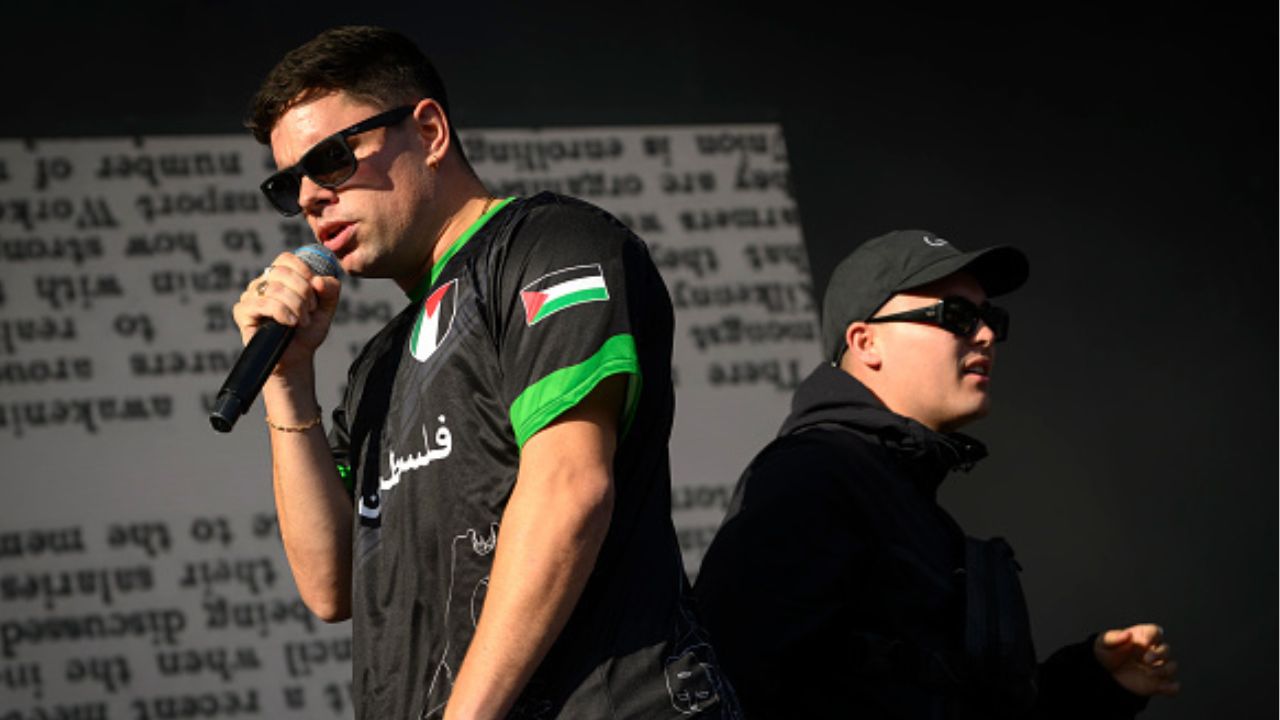
Canada has banned the popular Irish rap group Kneecap from entering the country, citing the band’s alleged support for terrorist organizations such as Hezbollah and Hamas. The decision comes ahead of Kneecap’s planned concerts in Toronto and Vancouver next month and has sparked debate about free speech, political expression, and the limits of artistic commentary.
The Canadian government explained that while free speech and political debate are important for democracy, supporting or glorifying terrorist groups is not protected under law. Vince Gasparro, a Liberal lawmaker and parliamentary secretary for combating crime, stated in a social media video that Kneecap’s actions could be seen as endorsing violence. “Canada stands firmly against hate speech, incitement to violence, and the glorification of terrorism,” Gasparro said.
Kneecap, however, strongly denied the accusations. The band emphasized that they do not support Hezbollah or Hamas and do not condone violence in any form. In an Instagram post, they described Gasparro’s claims as “wholly untrue and deeply malicious” and said they have instructed lawyers to take legal action against what they call false allegations. Kneecap insisted that their political statements focus solely on opposing the treatment of Palestinians and criticizing what they describe as a “genocide committed by Israel.”
The controversy surrounding Kneecap is not new. The group has faced criticism and restrictions in other countries for its political messages. Hungary previously banned the band after concerns were raised about its statements. At the Coachella music festival earlier this year, Kneecap drew attention when they accused Israel and the United States of committing genocide against Palestinians. These comments prompted visa concerns and led to some canceled performances.
Kneecap’s music often combines political activism with cultural expression. The band’s members argue that their support for Palestine is a humanitarian stance rather than an endorsement of any violent actions. Their supporters say that banning artists for political statements risks limiting free speech and the ability of musicians to raise awareness about global issues.
The Canadian decision raises broader questions about the role of governments in regulating artistic expression, especially when political messages intersect with international conflicts. Critics of the ban argue that governments must balance security concerns with protecting freedom of speech. Others, however, contend that allowing public figures to promote or appear to support terrorist organizations could pose serious risks and set a dangerous precedent.
Kneecap’s legal action against Canada will likely draw attention to these issues. The band has vowed to fight the ban vigorously, highlighting the tension between national security policies and the rights of artists to engage in political activism.
For Canadian fans, the ban means that scheduled concerts in Toronto and Vancouver will not take place unless the legal situation changes. Meanwhile, Kneecap’s international supporters continue to follow the story closely, viewing it as part of a wider conversation about the role of music, culture, and political commentary in global debates.
This incident underscores the challenges that arise when artists address controversial international issues. While Kneecap’s music resonates with many who support Palestinian rights, governments like Canada are cautious about potential national security implications. The legal outcome of this case may set a precedent for how countries respond to similar situations in the future.
In the meantime, Kneecap continues to maintain that their goal is to raise awareness about human rights issues rather than promote violence. The group’s statement concluded with a firm message: they will “be relentless in defending ourselves against baseless accusation to silence our opposition to a genocide being committed by Israel.”