The Essence of Basant Panchami and Saraswati Puja
Basant Panchami, also referred to as Vasant Panchami or Saraswati Puja, stands as one of India's most culturally rich festivals. This celebration marks the arrival of spring and pays homage to Goddess Saraswati, who embodies wisdom, learning, music, and art.
In the year 2026, Basant Panchami is set to be observed on Friday, January 23, with the Panchami Tithi starting in the early hours and continuing into the following morning, providing an ideal time for performing Saraswati Puja.
Spanning across India and its diaspora, this festival harmonizes spiritual devotion and cultural fervor, evident in classrooms, temples, and vibrant streets adorned in yellow hues. Its diverse traditions celebrate knowledge, creativity, and the joyous renewal of spring.
Historical Background of Basant Panchami
Seasonal and Mythological Origins
The roots of Basant Panchami are entwined with the rhythms of nature and ancient Hindu stories. It is celebrated on the fifth day (Panchami) of the bright fortnight in the Hindu month of Magha, usually aligning with late January or early February in the Gregorian calendar.
The term Basant (or Vasant) signifies spring, while Panchami denotes the fifth day of the lunar cycle, marking the onset of the spring season—a time embodying reawakening, warmth, and new life.
From ancient times, this festival is linked to rituals honoring Goddess Saraswati, believed to bring forth wisdom, eloquence, and artistic talent. Stories associated with this day celebrate the emergence of knowledge and creativity as spring arrives.
Saraswati Puja: Honoring the Goddess of Education
Symbolism of Goddess Saraswati
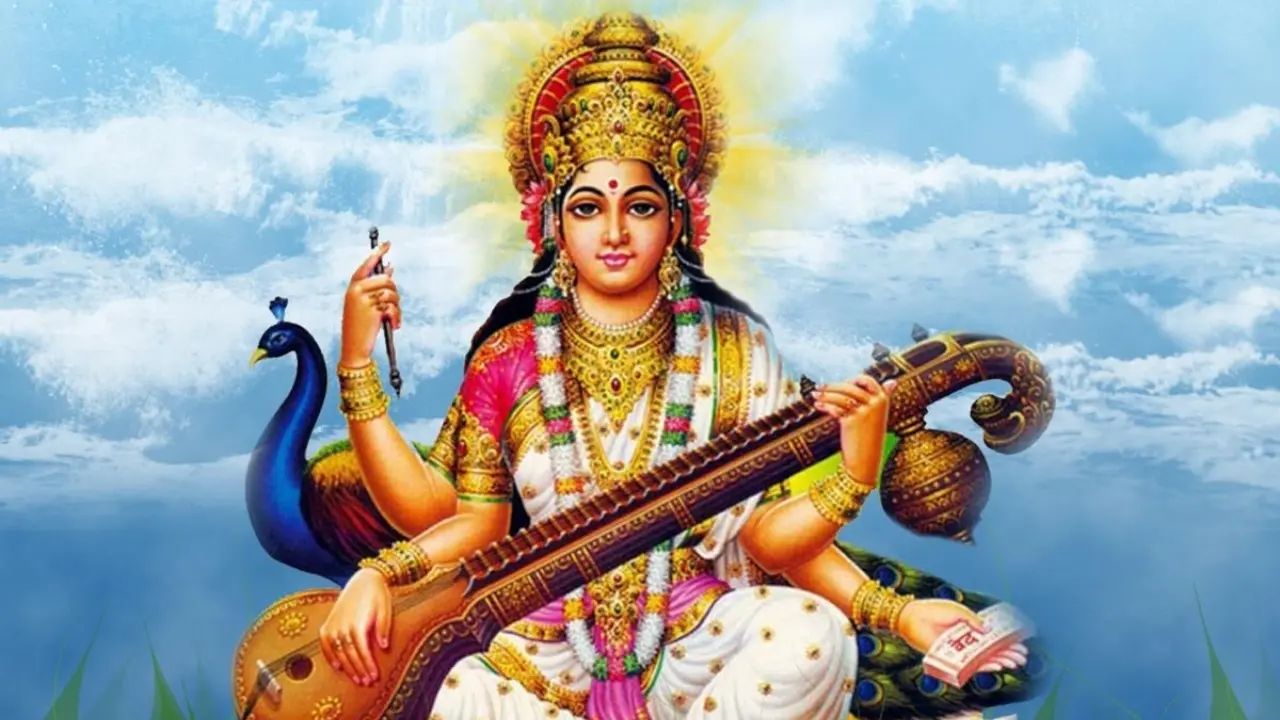
Goddess Saraswati holds a vital position in Hindu spirituality. She is depicted as a luminous figure with four hands that symbolize intellect, wisdom, creativity, and spiritual insight. In her hands, she holds the Vedas, a veena (symbol of music), a meditation rosary, and a pot of water, representing purity and the flow of knowledge.
On Basant Panchami, devotees seek her blessings through the Saraswati Puja, which is believed to enhance clarity of thought, educational success, and artistic achievement.
Traditionally, families with young children also regard this day as auspicious for initiating learning, where children are encouraged to write their first letters under her watchful gaze.
Date and Timing for Basant Panchami 2026
Auspicious Timing and Calendar Observance
For 2026, Basant Panchami is observed on January 23, a date affirmed by Hindu lunar calendars. The Panchami Tithi will commence at 2:28 AM on January 23 and close at 1:46 AM on January 24, aligning with optimal times for worship.
The auspicious muhurat for Saraswati Puja is traditionally observed in the morning hours, when rituals are believed to bring the most spiritual merit.
The significance of the date and tithi highlights the festival's deep rootedness in the lunar calendar and Hindu cosmology, adding to the spiritual essence of this occasion.
Cultural Practices during Basant Panchami
Embracing the Color Yellow
A striking aspect of the celebrations is the vibrant color yellow. From clothing to food and decorations, yellow, symbolizing mustard blooms and spring sunshine, predominates the festive landscape.
This color signifies knowledge, prosperity, joy, and warmth, aligning perfectly with the spirit of Saraswati Puja. Participants dress in yellow, decorate spaces with yellow flowers, and prepare a diversity of yellow foods like saffron rice and sweet treats to honor the goddess.
The emphasis on yellow resonates with cultural beliefs that vibrant colors attract positive energies and brighten human consciousness, echoing nature's revival after winter.
Rituals at Homes and Community Spaces
Rituals associated with Basant Panchami and Saraswati Puja take place across domestic, educational, and community settings. Devotees set up idols or images of Goddess Saraswati, adorn them with flowers, and present books, musical instruments, and educational tools as offerings.
Students, teachers, artists, and musicians engage in special prayers to seek Saraswati's grace for academic and artistic endeavors. Schools and colleges often host cultural programs and gatherings where students showcase performances and recite prayers honoring knowledge and creativity.
In various regions, families hold Vidya-Arambh rituals as a rite of passage into education, marking the beginning of formal learning under the auspicious conditions of Basant Panchami.
Regional Celebrations and Local Traditions
North and East Indian Customary Practices
In states such as West Bengal, Assam, Bihar, and Odisha, Basant Panchami is a deeply cherished cultural event. Communities celebrate with rich rituals and deep expressions of devotion.
In West Bengal, local educational institutions embrace Saraswati Puja through large-scale events that combine religious observance with artistic showcases, highlighting the region's cultural affinity for literature and art.
Kite-Flying Traditions in Punjab
In northern India, particularly in Punjab, Basant Panchami is celebrated with the joyous tradition of kite flying. The skies become colorful as communities engage in friendly competitions, adding a festive spirit to the observance.
This vibrant tradition encapsulates the joy of welcoming spring, bridging cultural practices with seasonal celebrations.
Educational and Creative Significance
Worshiping Knowledge and Art
At its heart, Basant Panchami is a tribute to knowledge and wisdom, encompassing both formal education and the creative spirit of humanity. Scholars and students pay homage to Saraswati as they strive for academic achievement and artistic inspiration.
On this day, devotees contemplate the value of intellectual engagement and creative expression—qualities essential for individual and societal advancement.
Spring as a Metaphor for Renewal
Beyond its spiritual essence, Basant Panchami signifies transformation. It embodies the awakening of nature with spring's arrival, representing opportunities for personal growth and fresh starts.
This timing makes Basant Panchami a favored occasion for initiating new projects and setting meaningful life goals that, under Saraswati’s blessings, are believed to prosper.
Contemporary Cultural Celebrations
In modern India, Basant Panchami is a lively fusion of spiritual practices and cultural festivities, fostering community connections. Many urban neighborhoods and cultural organizations organize collective Sanskrit observations that blend devotion with artistic expressions, music, and family celebrations.
Such gatherings serve as platforms for cultural exchange and shared joy, ensuring that Basant Panchami remains a cherished occasion for honoring knowledge and nurturing community bonds.
Conclusion: The Timeless Legacy of Basant Panchami
Basant Panchami, celebrated as Saraswati Puja, represents a convergence of spiritual devotion, cultural expressions, and the joyous celebration of spring. Through earnest prayers, academic aspirations, artistic endeavors, and jubilant kite-filled skies, the festival continues to uplift millions across India and beyond.
As devotees come together to seek Goddess Saraswati’s blessings for insight, creativity, and success, Basant Panchami serves as a powerful reminder of knowledge's lasting importance in every aspect of life.
Disclaimer: This article aims to inform and promote cultural understanding. Practices associated with Basant Panchami and Saraswati Puja may differ among various regions and communities.