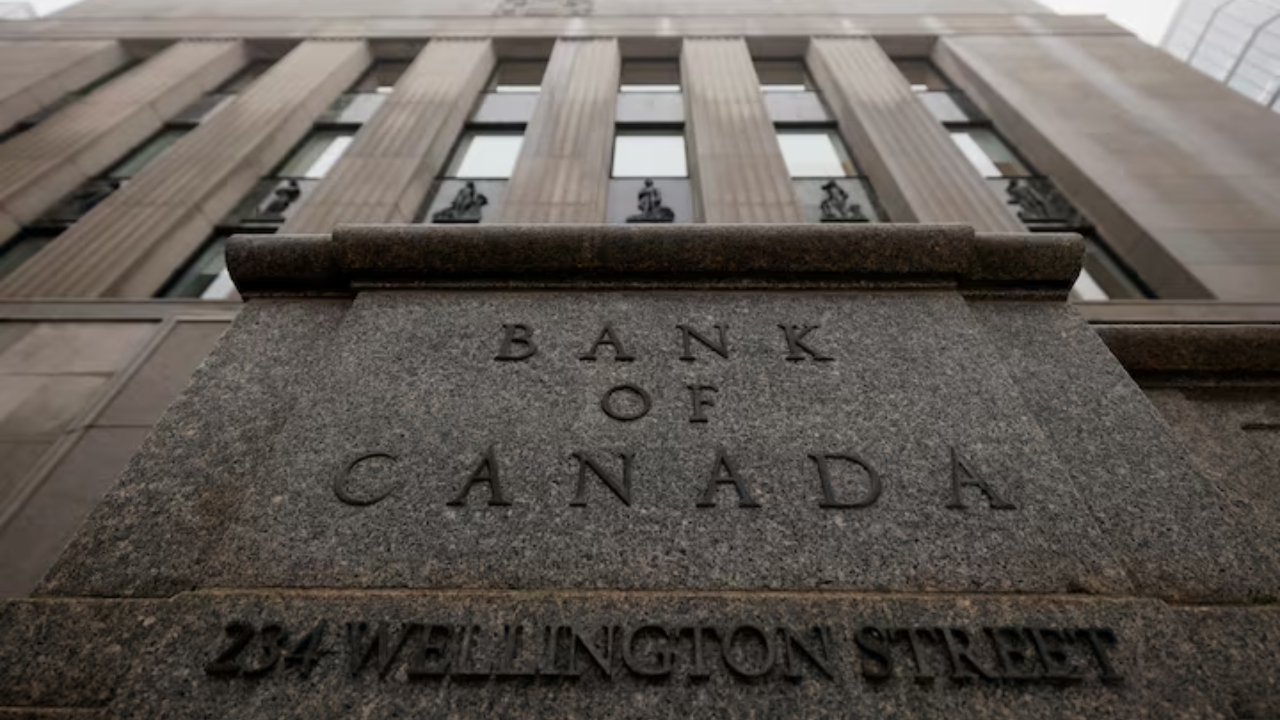
Photo: Reuters
On September 18, 2025, the Bank of Canada suggested that the country should consider regulating stablecoins. Stablecoins are a type of digital money that is less risky than cryptocurrencies like Bitcoin because their value is tied to real money, such as the U.S. dollar. The Bank believes that regulating stablecoins could help improve Canada's payment systems, making them faster, cheaper, and safer.
What Are Stablecoins?
Stablecoins are digital currencies designed to maintain a stable value by being linked to a reserve asset, like the U.S. dollar. Unlike cryptocurrencies, which can have unpredictable price changes, stablecoins offer a more reliable option for digital transactions. They are increasingly used for online payments and international money transfers.
Need for Regulation
Ron Morrow, the Executive Director of Payments, Supervision, and Oversight at the Bank of Canada, spoke at a conference in Ottawa about the growing use of digital assets, especially stablecoins. He emphasized the importance of having clear rules to ensure these digital currencies are used safely and effectively.
Morrow pointed out that Canada's current system for managing digital payments is outdated and needs improvement. He noted that many Canadians face high fees and delays when making payments, particularly for international transfers. By regulating stablecoins, Canada could create a more efficient and secure digital payment system.
Challenges in Canada's Payment System
In Canada, the responsibility for regulating digital assets is shared between federal and provincial governments. This divided approach can lead to confusion and inefficiencies. Morrow stressed the need for both levels of government to work together to update and improve the country's payment regulations.
Critics have often pointed out that Canada's payment infrastructure is behind other countries, such as the UK and Australia. The system is mainly controlled by the five largest banks, which can lead to high costs and limited competition. Morrow acknowledged these concerns and called for changes to create a more competitive and user-friendly payment environment.
Benefits of Regulating Stablecoins
- Implementing regulations for stablecoins could offer several advantages:
- Lower Costs: Reducing fees associated with digital transactions, making them more affordable for consumers and businesses.
- Faster Transactions: Speeding up the process of transferring money, especially across borders.
- Increased Security: Establishing clear rules to protect users and prevent fraud.
- Encouraging Innovation: Allowing new companies to enter the market and offer better services.
- By addressing these areas, Canada could enhance its digital payment systems and better meet the needs of its citizens.
Global Perspective
Many other countries have already started regulating stablecoins to improve their financial systems. Morrow suggested that Canada should consider similar approaches to stay competitive and ensure its payment systems are up-to-date. By learning from the experiences of other nations, Canada can implement effective regulations that support innovation while protecting users.
The Bank of Canada's call for stablecoin regulation highlights the need to modernize the country's digital payment systems. By working together, federal and provincial governments can create a regulatory framework that promotes efficiency, security, and innovation. As digital currencies become more prevalent, establishing clear and effective regulations will be crucial for ensuring a stable and trustworthy financial environment in Canada.