When Childhood Meets the Digital Wall
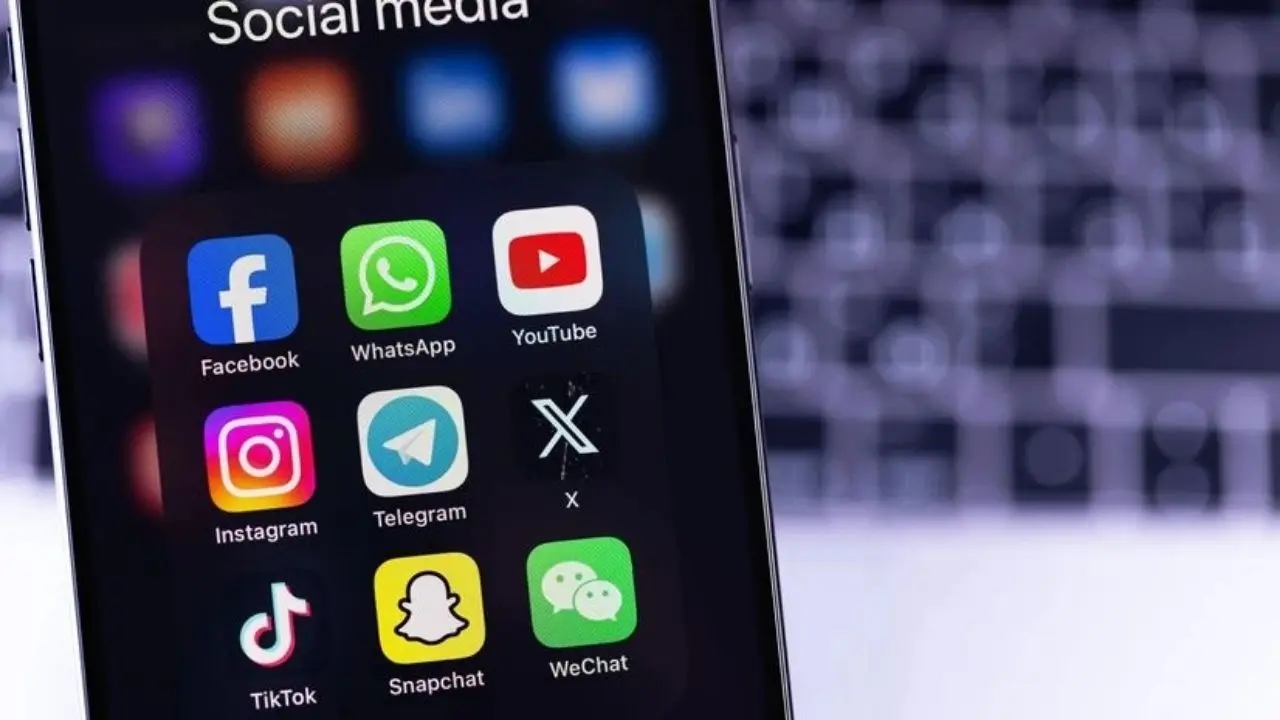
For a generation of children, social media is not a novelty; it is the background noise of daily life. Likes shape confidence, stories create pressure, trends become identity, and algorithms decide what gets noticed. In that reality, Australia’s decision to impose a social media ban for users under the age of sixteen has sent a jolt across the world.
Some saw the move as overdue protection. Others called it impossible to enforce. Parents felt relief, teenagers felt outraged, and tech firms felt challenged. But beyond the emotional reactions, one question echoed far beyond Australia’s borders: could a country like India ever follow this path?
With over half a billion internet users and a rapidly growing teenage online population, India sits at the centre of the global digital conversation. Any policy involving children and technology in India rarely remains bureaucratic; it becomes deeply emotional, social, and political.
This article explores what triggered Australia’s law, what it means for Indian families, and whether India’s social, cultural, and technological structure could support such a rule.
Understanding Australia’s Decision: Why 16 Became the Line
Australia’s move did not happen overnight. It followed years of public pressure, academic findings, and mental health reports pointing toward rising anxiety, sleep disorders, cyberbullying, and self-image issues among teenagers.
The Growing Concern Over Digital Harm
Australian child psychologists and educators flagged increasing numbers of children showing:
-
Sleep disruption due to late-night scrolling
-
Anxiety triggered by online comparison
-
Reduced attention span in classrooms
-
Exposure to harmful or adult content
-
Cyberbullying and digital abuse before adolescence
When such concerns began spilling into emergency helplines, classrooms and clinics simultaneously, the government chose action over apology statements from platforms.
Why the Age of 16?
Sixteen is legally significant. It marks semi-adulthood in many countries, including Australia. Lawmakers believed that digital independence should come later than physical independence.
The idea behind choosing sixteen:
-
Emotional maturity is better developed
-
Critical thinking is stronger
-
Impulse control improves
-
Peer pressure becomes manageable
In policy terms, it was a psychological boundary, not merely a legal one.
What Exactly Does the Ban Mean?
The word "ban" sounds absolute, but in reality the policy leans on age verification and parental responsibility.
What Is Restricted
Children under 16 cannot legally create or operate social media accounts on mainstream platforms.
What Is Not Restricted
-
Educational websites remain untouched
-
Messaging apps used in schools are exempt
-
Video streaming sites are accessible where parental controls exist
The goal is not digital isolation but social-media discipline.
The Emotional Reactions: Parents vs Teenagers
Parents Felt Relief
For many parents, the law felt like backup they had never received:
“I no longer have to argue with my child about screen time; now it’s the law.”
Parents saw the ban as a tool that restored authority without constant conflict.
Teenagers Felt Betrayed
Teenagers viewed it as censorship, not protection.
For many, social media is where:
-
Friendships exist
-
Self-expression thrives
-
Identity forms
Being cut off felt like social exile.
Could India Do the Same? The Big Question
India is not Australia.
India is not a single digital culture.
It is a vast patchwork of rural smartphones, urban influencers, school apps, gaming communities, and career-driven communities.
A ban of this scale would collide with India’s unique challenges.
India’s Digital Reality: Bigger, Younger, Louder
Massive Online Youth Population
India has one of the youngest internet populations globally. Children start using smartphones as early as age six.
Unlike Australia:
-
Smartphones are shared devices in many homes
-
Children often manage their own online activity
-
Social media sometimes substitutes TV, books, and playgrounds
India’s digital childhood is more immersive than optional.
Verification: India’s Biggest Challenge
Who Will Prove Age — And How?
Age verification is the backbone of any under-16 restriction. But India’s reality complicates that.
Many children:
A strict verification rule would require:
-
National ID integration
-
Privacy safeguards
-
Cyber education
-
Platform compliance
Without these, any ban becomes symbolic rather than functional.
Cultural Differences: India vs Western Parenting Models
Indian families operate differently.
Parental Authority Is Already Strong — On Paper
In many homes:
Yet digital control is often less structured:
Phones are given as:
Parents often lack the digital literacy to enforce boundaries.
Mental Health Angle: India Is Already Overflowing
Mental health systems in urban India are strained. A social media ban could either:
The transition would matter more than the rule itself.
Without counselling support and schools driving the conversation, banning alone could create emotional isolation.
Schools: The Missing Link
In Australia, schools were part of the process. In India, schools vary dramatically in digital awareness.
Urban Schools Are Prepared
Cities invest in:
Rural Schools Are Catching Up
Many schools still struggle with:
A policy without education would collapse in practice.
Technology Companies: Would They Cooperate?
Social media platforms in India represent massive revenue streams.
A ban could:
Compliance is not just technical — it's financial.
Without strong regulation, platforms may resist or delay implementation.
Legal Challenges: Freedom vs Protection
A ban may run into:
-
Right to free expression concerns
-
Right to information
-
Parental rights conflicts
-
State-child boundary disputes
India’s courts would be flooded with legal interpretations of where childhood freedom begins and parental authority ends.
What Happens If India Doesn't Ban? Are There Other Options?
Bans are not the only solution.
Digital Parenting Laws
Empowering parents legally:
-
Stronger controls
-
Access reports
-
Screen-time regulations
Time-Based Restrictions
Instead of age bans:
-
Night lockdown hours
-
School-time restrictions
-
Break reminders
Mental Health Integration
Mandatory counselling sessions:
-
In schools
-
On platforms
-
Through helplines
Platform Accountability Rules
Forcing:
-
Clear content labels
-
Strong filters
-
Teen-specific algorithms
What Indian Parents Are Already Doing
Some families have taken private measures:
-
Phone-free dinners
-
App bans
-
Screen locks
-
Weekend restrictions
The reality is simple:
Laws arrive later. Parenting happens every day.
Should India Ban Social Media for Under-16s? The Honest Answer
There is no perfect solution.
A ban could:
-
Reduce exposure
-
Improve sleep
-
Lower peer pressure
But it could also:
-
Increase secrecy
-
Create underground usage
-
Resent authority
India is not Australia — and policies cannot be copied like mobile apps.
The Real Question Isn’t ‘Should We Ban’ — But ‘How Do We Prepare?’
Before any ban, India needs:
-
Digital curriculum in schools
-
Parental literacy programs
-
Mental health infrastructure
-
Platform accountability
-
Child-safe interface standards
Without preparation, a ban becomes chaos.
With preparation, parental control becomes empowerment.
The Teenage Perspective Deserves Respect
It is easy to ignore youth voices when regulating youth lives.
Yet teenagers are not enemies of safety.
They are the first victims of emotional overload.
Listening should come before legislating.
Conclusion: Control Versus Courage
Australia chose control.
India may need courage.
The courage to:
-
Educate more than restrict
-
Involve parents before punishing platforms
-
Prepare before regulating
-
Empower instead of isolating
Whether India follows Australia or not, one truth remains:
Children cannot be digitally abandoned.
If India does nothing, damage spreads silently.
If India acts blindly, rebellion grows loudly.
The path forward requires policy — but also patience.
Not fear. Not imitation.
Understanding.
Disclaimer:
This article is intended for general informational purposes and reflects public discussion and societal perspectives surrounding online child safety. It does not represent legal advice or official government policy. Readers are encouraged to follow official government announcements and consult experts for guidance on digital parenting and child welfare.