Photo: COP30
Summit Reflections: The Climate Talk Carousel
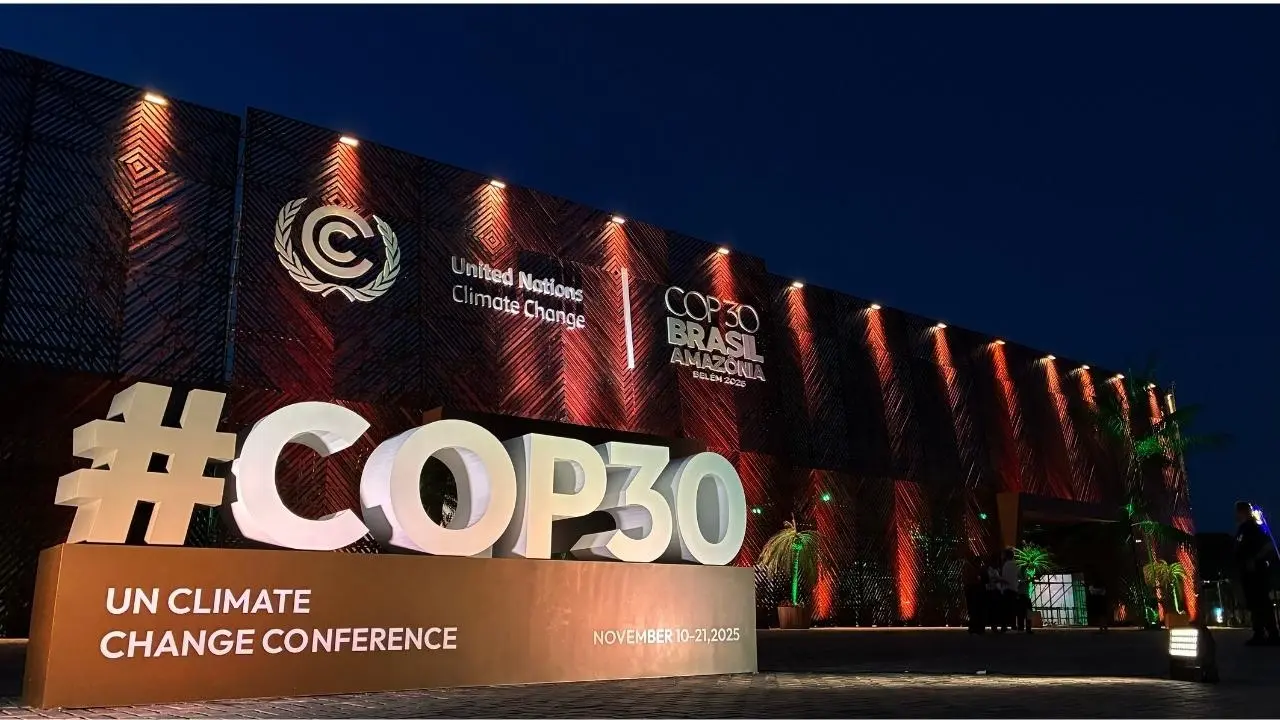
As the annual climate summit wraps up, common terms like “landmark” and “turning point” saturate headlines. COP30 was no different. Leaders and delegates filled the venue, accompanied by media and advocates, as meaningful discussions on the planet's plight took center stage for a fleeting moment.
Yet, amidst this carefully orchestrated spectacle, the pressing question remains: What are the real-life implications of these gatherings for those facing harsh climate realities?
For farmers navigating erratic weather, families along threatened coastlines, and communities tackling surging energy costs, global pledges often seem remote. Climate discussions drift into a realm of lofty rhetoric, while local realities tell a tale of mounting challenges.
As we conclude COP30, a candid examination beyond official press releases is necessary.
The Purpose of COP Meetings
The Conference of the Parties, or COP, exists as a collaborative platform for governments to tackle climate change collectively. The premise is elegant yet ambitious: global cooperation is essential, as our planet knows no boundaries.
Greenhouse gas emissions in one nation affect all. Natural disasters impact areas contributing the least to pollution. Climate change exemplifies profound inequities.
COP gatherings aim to rectify this disparity by:
-
Setting binding goals that hold nations accountable
-
Encouraging financial support from wealthier countries
-
Facilitating the transition to clean energy technologies
-
Promoting collaboration over competition
Each meeting aims for growth, yet the struggle with reality persists.
Promises vs. Practical Changes
COP30 ended with a variety of resolutions and commitments. But herein lies the harsh reality: while signing documents is straightforward, altering entire economies poses significant challenges.
Ambitious climate goals exist, but without strict enforcement, their efficacy is questionable.
Nations frequently set targets for decades into the future, conveniently distant from tomorrow's action plan. Goals for 2040 and 2050 may sound impressive but delay critical decisions for today. Existing coal operations persist, forests continue to vanish, and urban areas expand without adaptive measures.
As was the case in previous summits, numerous nations reaffirmed their commitment to emissions declines at COP30. However, reaffirmation does not guarantee action.
Financing Climate Goals
The climate crisis intertwines closely with economic realities.
Transitioning to clean energy necessitates investment, advanced technologies, and robust infrastructure. Developing solar farms, electric transport networks, and constructing resilient cities require significant financial resources.
At COP30, financial commitments were a key subject. Developing countries confronted wealthier nations with a critical question: who will shoulder the costs?
Those in less affluent nations often bear the brunt of climate disasters despite their minimal contributions. They seek justice, not mere sympathy.
However, climate finance remains a contentious point in global dialogues. While wealthy countries announce funding pledges, actual transfers lag behind. Commitments in writing frequently exceed the reality of financial flows.
For communities devastated by natural calamities, pledges from conferences mean little unless they transform into tangible aid.
Coping with Irreversible Damage
One of the heated discussions at COP30 centered around loss and damage, symbolizing the acknowledgment that some climatic impacts are irreversible.
Whether it's a submerged village, a vanished coastline, or an eradicated ecosystem, adaptation alone becomes obsolete. These irreversible losses merit compensation and support.
However, the frameworks available for loss and damage funding are still insufficiently developed. Although agreements are in place, realization is tenuous.
Victims of climate change continue to await real assistance—not just sympathetic words but actionable survival plans.
Prioritizing Adaptation
While significant focus is often given to emission reduction—a necessity in itself—the concept of adaptation—assisting people to cope with unavoidable climate impacts—often seems overshadowed.
Climate adaptation is not an optional luxury. It is essential for survival:
-
Creating flood-resilient urban spaces
-
Developing heat-resistant housing
-
Fostering climate-smart agricultural practices
-
Enhancing water resource management
-
Establishing coastal defenses
These necessities call for urgent attention, and although COP30 acknowledged resilience, the emphasis must be on prompt action.
As policy-making proceeds, communities can only brace for impacts that have already reshaped lives.
Familiar Language, Diminishing Impact
Every year, certain phrases resurface:
-
“Urgent action needed”
-
“Global collaboration”
-
“Shared accountability”
-
“Historic opportunity”
-
“Collective future”
Yet these phrases have lost their potency—they’ve become too familiar and devoid of substantial action.
Public confidence wanes when words outpace genuine impact.
Outcomes are measured not through declarations but in tangible costs involving electricity, food security, and resources.
The Corporate Climate Dilemma
Corporations are pivotal in both emissions and eco-innovation. At COP30, businesses pledged to invest in sustainable practices.
However, corporate actions often manifest in two realms:
On the platform: climate pledges.
Behind the scenes: ongoing environmental degradation.
Marketing tactics have turned “green=” into a trendy label, albeit often encompassing greenwashing. Companies state goals for carbon neutrality while maintaining harmful practices.
Without stringent oversight, corporate commitments risk being hollow gestures rather than transformative acts.
Passive Youth Activism
Young activists infused COP30 with their passion and urgency. Their call to action was clear: They will inherit an increasingly harsh world.
However, the power to enact change largely rests with older decision-makers.
The youthful voices inspire applause but often confront a gridlock of older frameworks.
This generational divide shapes climate politics: The future demands action, but the past clings to tradition.
North-South Division Persists
Negotiations generally reflect the ongoing tension between developmental aspiration and environmental accountability.
The appeal from developing nations reads: “We seek growth as well.”
Counterarguments from wealthier nations: “The planet cannot support such aspirations.”
Both viewpoints hold merit.
Achieving justice demands an alignment of ambition and responsibility.
COP30, however, made limited strides towards addressing this philosophical divide.
The Energy Transition Lags
Despite commitments to sustainable energy, reliance on fossil fuels remains firm.
Coal continues to bolster economies, oil revenues overshadow key conversations, and gas is often labeled a “transitional fuel”, even as we navigate decades-long climate challenges.
Although energy transformation is underway, the momentum is insufficient.
This transition isn’t solely technological; it is deeply political.
Climate Crisis Meets Cost-of-Living Reality
One often-overlooked angle of climate change relates to economic strain.
Drought increases food costs.
Storms impair infrastructure.
Heatwaves spike energy consumption.
Floods disrupt supply chains.
The climate predicament transcends environmental issues; it evolves into a matter that families must navigate through their budgets.
Nevertheless, discussions at COP30 frequently lacked connections between climate policies and the economic pressures faced by citizens.
The public craves solutions rather than empty rhetoric.
Areas Where COP30 Stumbled
COP30 faced challenges in:
-
Establishing enforceable deadlines
-
Securing guaranteed financial flows
-
Imposing significant penalties for inaction
-
Clearly denouncing fossil fuel dependence
-
Delivering binding legal actions
In essence, COP30 continued the trend of agreements lacking real bite.
Progress Made at COP30
To be fair, there were notable steps forward:
-
An uptick in pledges for renewable investments
-
Several nations strengthened climate commitments
-
Adaptation received heightened focus
-
Loss and damage remained a priority
-
Acknowledgment for climate education initiatives
However, progress devoid of execution remains merely potential—not protection.
Public Sentiment on Climate Talks
There’s a growing sense of public skepticism.
Climate summits are perceived as increasingly disconnected from:
-
Everyday life
-
Affordability
-
Employment opportunities
-
Healthcare access
-
Housing rights
When climate policies overlook daily realities, public interest wanes.
Blueprint for Genuine Progress
In striving for true transformation, COP discussions ought to emphasize:
-
Immediate caps on emissions
-
Binding laws for climate financing
-
Transparent funding tracking
-
Localized adaptive initiatives
-
Transformational infrastructure
-
Support for job transitions
Success in addressing climate change should manifest physically, not symbolically.
The Weight of Climate Fatigue
Ceaseless warnings without actionable solutions drain public morale.
Fear alone cannot fuel enduring change; there must be a foundation of pragmatic hope.
Empowering Individuals Amidst Delay
Despite systemic lag, individuals are not powerless:
-
Minimize waste production
-
Conserve energy resources
-
Champion responsible brands
-
Demand corporate accountability
-
Vote based on environmental priorities
-
Educate local communities
No single person can resolve climate change.
However, community action can stir significant shifts.
Is COP Vital for the Future?
Despite letdowns, dissolving global dialogue would compound existing challenges.
The climate crisis is too pressing to forego necessary negotiations.
Nonetheless, COP requires reform.
>Less theatrics.
More deadlines.
Stricter accountability.
Concluding Insights: Words Alone Won’t Save the Planet
COP30 didn’t entirely fail.
Yet it also didn’t fully succeed.
It maintained the tradition of becoming a cycle of promises.
The planet responds not to declarations
But to the laws of nature.
Carbon isn’t negotiable.
Oceans remain unwavering.
And the heat demands attention.
Change arises when statements translate into action: from speeches to investments, from pledges to projects.
Until that transition occurs, COP meetings will continue to generate declarations.
And the planet will continue to face repercussions.
Disclaimer
This article serves as a general informational resource. It reflects an interpretation of publicly reported climate discussions and does not represent formal policy positions or agreed outcomes.