A Real-Time Climate Alert
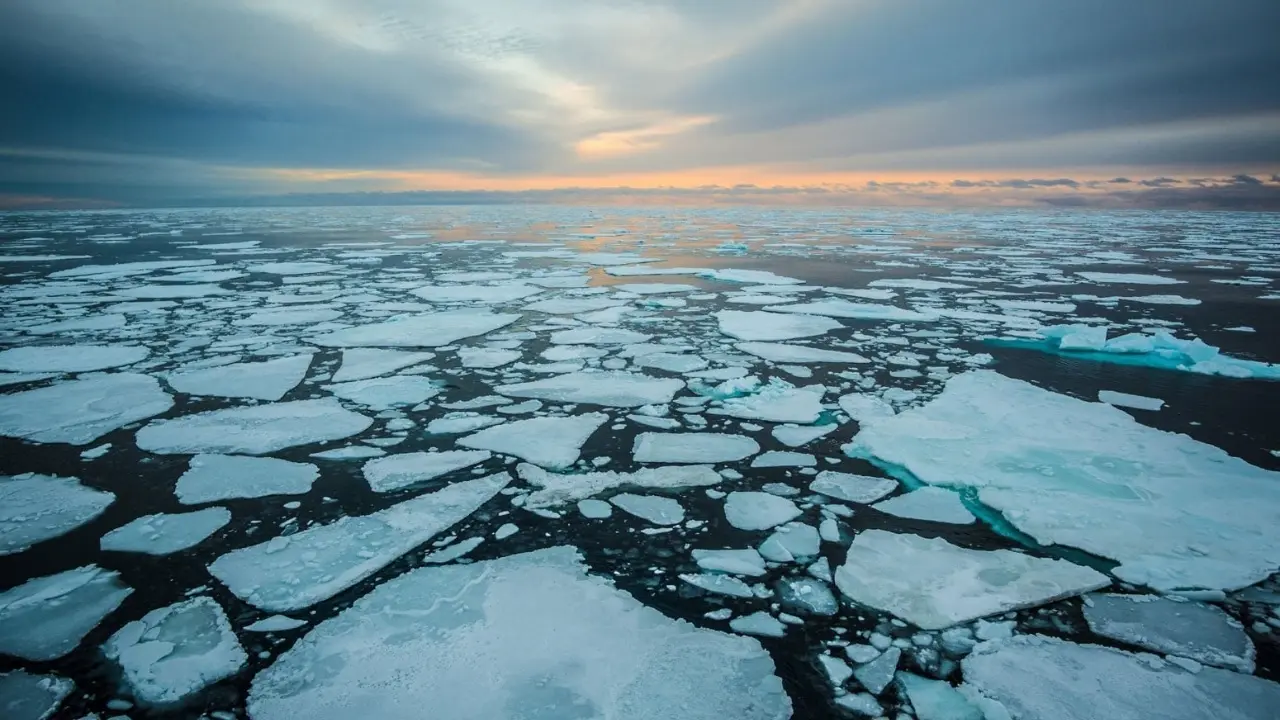
The Arctic, once seen as the planet's icy shield, is undergoing dramatic changes. New satellite observations reveal that the rate of ice melt is accelerating, with significant events unfolding years earlier than scientists predicted.
This rapid melting has far-reaching consequences, affecting global climate patterns, sea levels, ecosystems, and geopolitical dynamics. When the Arctic shifts, the impact resonates globally, serving as a crucial climate indicator.
The findings indicate that critical climate thresholds are being approached sooner than anticipated, with the Arctic warming at over twice the global average. This shift is fundamentally altering marine habitats and the balance of international relations.
Insights from New Satellite Observations
Marked Reduction in Ice Thickness
High-resolution satellite technology has documented a substantial decrease in sea ice thickness across the Arctic. Regions that previously maintained multi-year ice are now facing significant melting, leaving behind thinner seasonal ice.
Scientists have noted key changes, including:
-
a dramatic decline in multi-year ice
-
later formation of winter ice
-
earlier onset of summer melting
-
increased fragmentation of ice sheets
These transformations suggest a weakening of the Arctic's natural resilience.
Significant Loss of Ice Cover in Key Areas
Satellite data illustrates dramatic losses in ice cover across areas such as:
-
the Beaufort Sea
-
the Chukchi Sea
-
the Laptev Sea
These formerly stable regions are now facing increased warm-water intrusions and extended periods without ice, disrupting local ecosystems.
Record Melt Rates During Summer
Recent datasets report that summer ice melt rates have reached unprecedented levels. Certain areas are losing ice nearly 50% faster than the historical average, indicating a worrying feedback loop caused by rising ocean and atmospheric temperatures.
Factors Behind the Rapid Melt of Arctic Ice
The Arctic Amplification Effect
Key among the causes is Arctic amplification, where increasing global temperatures lead to disproportionate warming in the Arctic. As ice recedes, darker ocean waters absorb more heat, accelerating the melting process.
Warm Ocean Currents Moving Northward
The transport of warmer waters from the Atlantic and Pacific Oceans is increasingly reaching the Arctic, weakening the ice from below and hampering the formation of thick ice layers.
Atmospheric Changes Contributing to Ice Melt
Shifts in atmospheric patterns, including changes to the jet stream, are influencing:
-
heatwaves affecting the Arctic
-
extended periods of warm air
-
unusual storm patterns affecting ice zones
These developments are exacerbating melt and increasing fragmentation of the ice.
Soot and Pollutant Accumulation on Ice
Soot from industrial emissions darkens the ice surface, diminishing its reflective capacity and increasing heat absorption, which accelerates melting during the summer months.
Ecological Changes: An Evolving Arctic Ecosystem
Impact on Marine Habitats
The rapid loss of sea ice disrupts an extensive ecological network, affecting:
As the ice diminishes, species must either adapt, migrate, or face declining populations.
Threats to Indigenous Communities
For the native populations of the Arctic, stable ice is essential for:
-
hunting practices
-
fishing activities
-
transportation
-
cultural preservation
The accelerated melting poses a direct risk to their ways of life, compelling significant adjustments.
Altered Food Webs and Species Dynamics
Data indicates significant shifts in species distribution, where:
-
fish are moving northward
-
predators are resorting to less nutritious food choices
-
migratory birds are changing their routes
These changes can destabilize long-established ecological relationships.
Global Climate Impacts
Elevation of Sea Levels
As Arctic ice melts, it contributes to rising sea levels, particularly when large ice shelves collapse or glaciers accelerate their movement into the sea.
Consequences are significant, including:
-
increased flooding in coastal regions
-
shoreline erosion
-
threats to low-lying island nations
-
intrusion of saltwater into freshwater supplies
Altered Weather Patterns Globally
Diminished Arctic ice affects the jet stream, resulting in atypical weather patterns, such as:
These extreme events are becoming increasingly common due to Arctic warming.
Threat to Global Climate Stability
The Arctic is vital for global temperature regulation. Melting ice diminishes its ability to reflect solar energy, leading to further warming of our planet.
Geopolitical Consequences: New Dynamics in the Arctic
New Shipping Routes Emergence
The reduction in ice is creating new shipping pathways like the Northern Sea Route, altering global trade dynamics, though this raises several environmental and political challenges.
Competition for Resources
The Arctic is believed to hold significant reserves of:
-
oil
-
natural gas
-
rare minerals
As ice melts, extraction becomes easier, leading to increased competition among nations.
Increased Military Presence and Tensions
Countries bordering the Arctic, alongside some external players, are bolstering their military presence to capitalize on new trade routes and resource opportunities.
The lack of recent diplomatic efforts raises the stakes for:
Scientific Alarm: Approaching Irreparable Tipping Points
Crossing Irreversible Limits
Experts warn the accelerated melt could push Arctic regions past critical points. Once multi-year ice is completely lost, recovery becomes significantly more challenging.
Feedback Loops Heightening Climate Change
Melting Arctic ice triggers harmful feedback mechanisms:
-
dark ocean surfaces absorb more heat
-
thawing permafrost releases methane
-
warming seas hasten polar ice melting
These cycles could drastically escalate global warming.
Permafrost Thaw and Greenhouse Gas Emissions
With permafrost melting, methane—a highly potent greenhouse gas— is released, further intensifying global warming and reinforcing the cycle.
Future Outlook: Assessing Current Data
Possibility of Ice-Free Summers Sooner Than Anticipated
While previous forecasts expected ice-free summers around the mid-2030s, recent satellite data indicates this could occur much sooner with ongoing melt rates.
Heightened Climate Impacts Worldwide
With the onset of ice-free conditions:
-
storm intensification is likely
-
oceanic heat circulation may undergo major shifts
-
loss of biodiversity will accelerate
-
human migration pressures could increase
The effects will be felt globally.
Urgent Call for Policy Measures
To mitigate the present trends, specialists advocate for:
-
rapid greenhouse gas emissions reduction
-
stricter regulations on pollution
-
swift transition to renewable energy
-
enhanced conservation strategies
Failing to act could result in consequences that become unmanageable.
Conclusion: Arctic Melting is a Global Concern
The satellite data underscores a critical reality: the Arctic is losing ice at an alarming rate that surpasses former estimates. This issue transcends scientific inquiry—it represents a global crisis capable of impacting ecosystems, sea levels, weather systems, and political stability worldwide.
The urgency of addressing Arctic ice melt calls for immediate global action from governments, industries, and communities. If left unchecked, the ramifications could plunge the planet into irreversible climate territory, fundamentally altering humanity's trajectory.
Disclaimer:
This article is based on recent satellite data and environmental studies, intended for informational purposes only.