Apple's Launch Routine Under Scrutiny
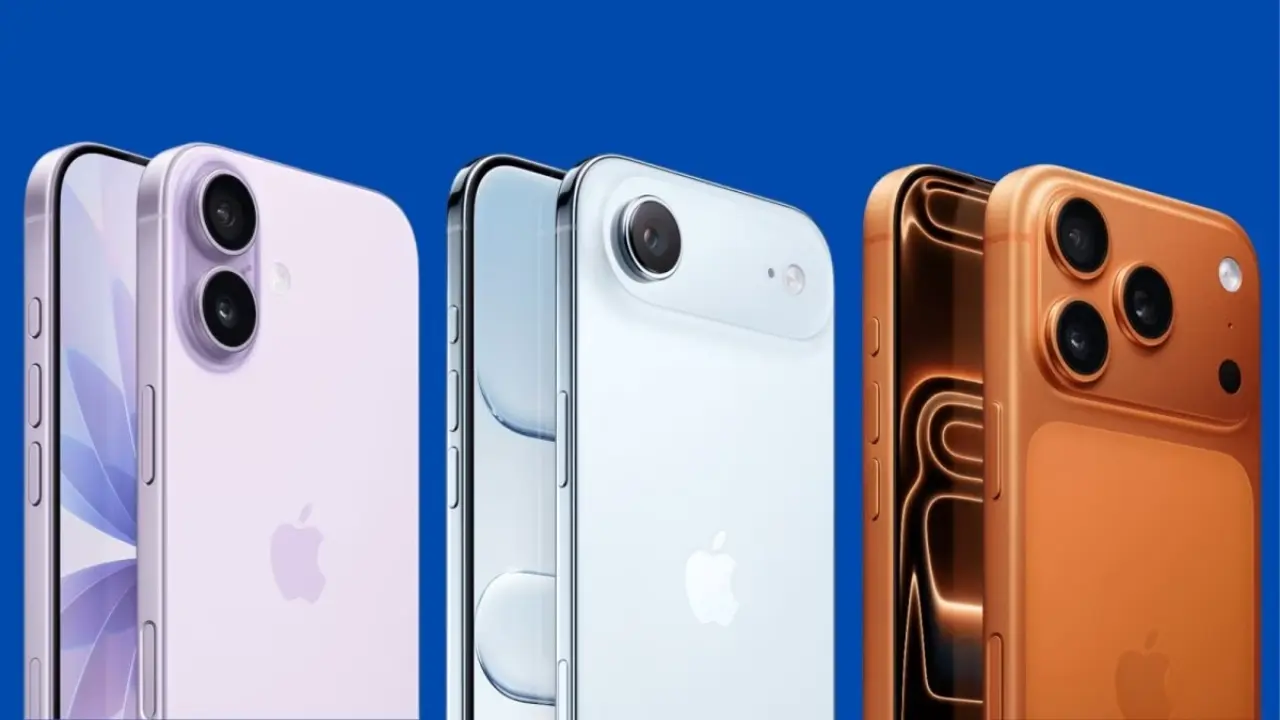
For years, Apple has consistently launched new iPhones each year, a practice that has shaped consumer expectations. However, a new report hints that Apple might change this norm. According to this claim, the standard iPhone 18 is slated for a 2027 release, putting the usual 2026 debut on hold.
This would represent a significant deviation for a company historically associated with regularity. The iPhone remains Apple’s flagship offering, generating substantial revenue. The potential delay stirs conversations among fans, developers, investors, and suppliers alike. Could this be Apple's strategy for adapting to the evolving smartphone landscape?
Reasons Behind the Possible Delay
Phased Launch Concept
The report suggests that Apple may opt for a staggered release of the iPhone 18 models. The high-end Pro variants might still debut during the upcoming fall 2026 event, while the standard iPhone 18 could be pushed back to spring 2027. This method allows for highlighting premium devices first, giving Apple's engineers a chance to refine the standard version.
By staggering releases, Apple might also prevent market fatigue from a single crowded announcement, catering to premium consumers initially while later appealing to a broader customer base with the standard model.
Supply Chain Considerations
With complex and cutting-edge components in modern iPhones, longer testing and production alignment periods are essential. The speculation suggests Apple may focus on the Pro models first to mitigate hardware shortages and ensure availability when the base model finally launches.
Context of Apple's Release Timeline Adjustments
Historically, Apple has rarely altered its annual release format, with the last major disruption occurring with earlier iterations like the iPhone 4s, which experienced a longer interval between releases. If the standard iPhone 18 does indeed arrive in 2027, the gap from the iPhone 17 to the iPhone 18 could reach approximately eighteen months, the longest in the company's recent history.
Expected 2026 Releases Despite Changes
While the outlook for the standard model is uncertain, Apple is expected to still unveil:
This indicates a possible focus on the luxury segment rather than a complete withdrawal from the market.
Advantages of Postponing the Launch
Enhanced Product Differentiation
Implementing a staggered schedule allows Apple to distinctly separate the Pro and standard identities. The Pro models could introduce cutting-edge features such as advanced camera systems and exclusive design elements, while the standard model would inherit notable upgrades at a more affordable price.
Further Sales Opportunities for iPhone 17
Extending the life cycle of the iPhone 17 could lead to increased revenue without rushing a successor. Users who don’t require high-end features might continue purchasing the iPhone 17 throughout 2026, lessening the impact of a delayed new launch.
Stakeholder Reactions and Market Challenges
Consumer Discontent
The anticipation surrounding annual iPhone releases is a staple in the community. A skipped 2026 launch for the standard model could disappoint customers who plan upgrades around expected releases and lead them to consider alternatives.
Growing Competitive Landscape
As competitors like Samsung and Google continue to innovate, a delay could give them an edge in the market, potentially attracting undecided customers in 2026.
Broader Industry Implications
A change in the iPhone 18 launch schedule affects not only Apple but also numerous suppliers reliant on the company’s annual timeline. Adjustments may require renegotiations and changes in staffing cycles for these vendors.
The software development sphere may also feel the shift; app creators often wait for new hardware updates, and a spring 2027 launch could necessitate adjustments in programming workflows.
Future Timelines to Monitor
Three key milestones are under observation:
-
Fall 2026 — the introduction of Pro models
-
Spring 2027 — launch of the standard iPhone 18 and potentially an iPhone 18e
-
Ongoing adaptations in Apple’s product development strategies
While this claim remains speculative until confirmed by Apple, its emergence suggests a possible shift towards more flexible product planning.
Are Yearly Flagships Still Relevant?
The smartphone market landscape of 2026 will be markedly different from that of just a few years ago. Improvements in device longevity and incremental upgrades might lead Apple to reevaluate the necessity of annual flagship releases.
A staggered launch strategy could reflect Apple’s aim to emphasize more significant advancements rather than gradual enhancements on a tight yearly schedule.
Final Thoughts: Taking a Step Back Could Be Apple’s Boldest Move
The revelation regarding a potential 2027 release for the standard iPhone 18 has certainly stirred discussions within the tech community. Should the report be validated, Apple’s embrace of this novel strategy would disrupt its established rhythm and introduce a phased approach that prioritizes the Pro models ahead of mainstream versions.
Though the risks are apparent, including possible consumer discontent and competitive challenges, there are clear marketing advantages and enhanced product strategies to be gained. Should this situation materialize, it underscores Apple’s readiness to adapt to a complex and dynamic future in smartphone technology.
Disclaimer
This article serves informational purposes and relies on third-party insights. No official confirmation from Apple regarding alterations to its iPhone 18 release plans has been made. Timelines and product intentions may still change.