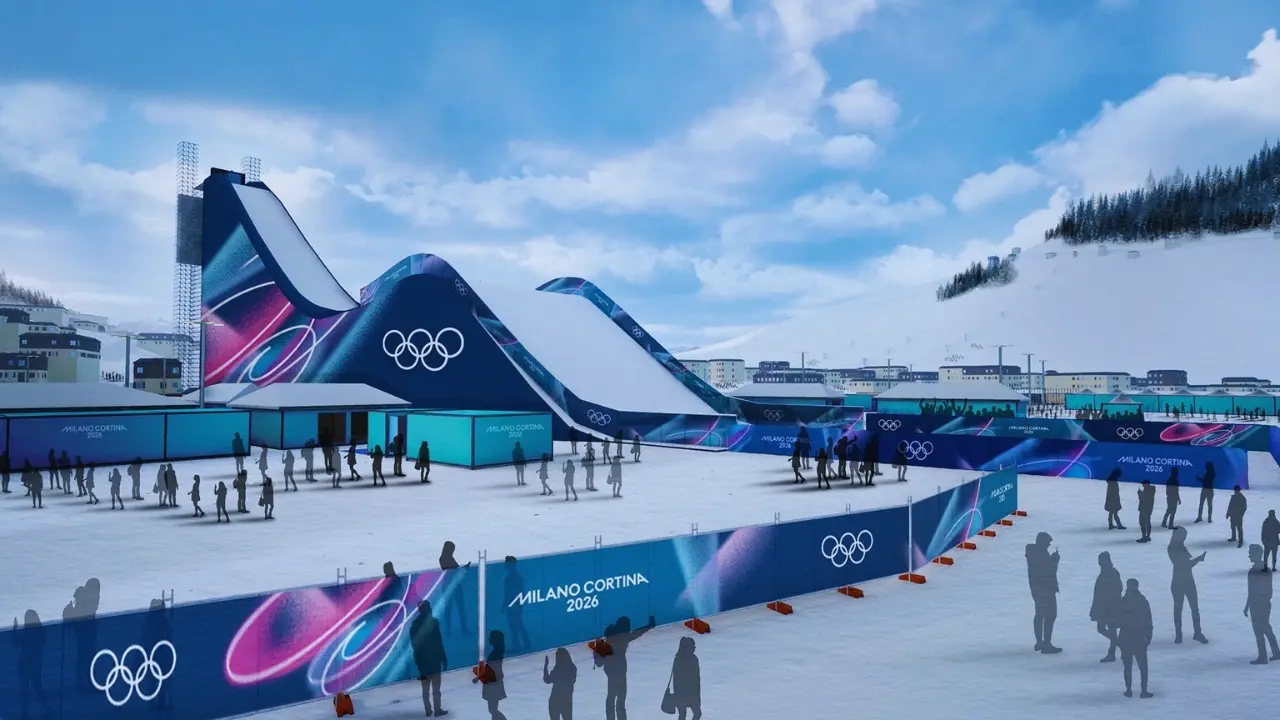
Italy Gears Up for a Memorable Olympic Comeback
The Winter Olympics are set to return to Italy in 2026, promising to be one of the most thrilling global sporting events in recent memory. The 2026 Winter Olympics will be jointly hosted by Milan and Cortina d’Ampezzo, with events also taking place at various renowned alpine venues.
This edition marks a milestone in Olympic history. It embraces a multi-city, regionally-focused hosting model, merging a world fashion and finance hub with a celebrated alpine resort. The upcoming Games aim to offer a blend of tradition and modernity—anchored in alpine sports while promoting sustainable practices and thoughtful urban planning.
What Sets Milan–Cortina 2026 Apart
A Revolutionary Hosting Model
In contrast to previous compact Olympic venues, Milan–Cortina 2026 will span northern Italy, with events occurring across regions including Lombardy, Veneto, and Trentino-Alto Adige, prioritizing existing frameworks.
This decentralized approach signals a move by the International Olympic Committee towards cost-efficiency and sustainable legacies, following criticism of extravagant Olympic facilities.
Urban and Alpine Harmony
Few Winter Olympics have seamlessly blended vibrant city life with exhilarating alpine sports. Milan offers cultural sophistication, while Cortina and the surrounding Alps provide the snow and thrills.
Highlighting the Host Cities
Milan: The Games' Urban Center
As the venue for the opening ceremony and key indoor competitions such as ice hockey and speed skating, Milan's global reputation for fashion, design, and finance complements its top-notch transportation and accommodation options.
This urban environment is expected to engage younger audiences in winter sports, capturing the attention of first-time Olympic spectators.
Cortina d’Ampezzo: The Heart of Alpine Sports
Once the site of the 1956 Winter Olympics, Cortina d’Ampezzo—dubbed the “Queen of the Dolomites”—will take center stage again in 2026, hosting alpine skiing, curling, and other thrilling events.
Its breathtaking mountain scenery is anticipated to deliver some of the Games' most captivating visuals.
Infrastructure and Venues
Focus on Existing Facilities
A hallmark of the 2026 Winter Olympics is the emphasis on using established or temporary venues. Historic ski courses and modern arenas will be optimized for competitions, addressing environmental concerns and budget constraints.
Transportation Enhancements
Significant investments in rail and road systems aim to ensure ease of movement between venues, with high-speed trains linking Milan to the alpine regions, envisioning long-term regional growth.
Key Sports and Events
Traditional Winter Sports Line-Up
Visitors can anticipate a showcase of all the beloved Winter Olympic sports, such as:
-
Alpine skiing
-
Cross-country skiing
-
Biathlon
-
Figure skating
-
Ice hockey
-
Speed skating
-
Ski jumping
Each event will take place in locations chosen for optimal performance and safety.
Surging Popularity of Snowboarding and Freestyle Events
Freestyle skiing and snowboarding continue to capture the attention of younger audiences. Milan–Cortina 2026 is set to spotlight these dynamic disciplines, energizing the competition.
Athlete Highlights and Rivalries
Established Nations vs. Emerging Talent
Historically dominant winter sports nations from Europe, North America, and East Asia are expected to perform strongly; however, emerging countries are quickly catching up thanks to enhanced training and investment.
The iconic Italian Alps will serve as a familiar backdrop for many competitors, fostering intense rivalries.
Home Turf Advantage for Italy
With passionate local support, Italian athletes are poised to make an impact in alpine skiing and sliding events, setting high expectations for performances on home soil.
Commitment to Sustainability
Environmentally Conscious Olympic Planning
Sustainability remains a key focus for Milan–Cortina 2026. Organizers aim to minimize carbon footprints, limit new constructions, and preserve natural terrains following the Games.
The approach of utilizing temporary venues is aimed at preventing the creation of unused Olympic facilities.
Adapting to Climate Change
With climate change impacting snow reliability globally, the 2026 Games will act as a litmus test for the adaptability of winter sports in evolving weather conditions.
Technological Enhancements for Fan Engagement
Digital Transformation of the Olympics
Expect cutting-edge broadcasting techniques, immersive experiences, and live data analytics to enhance fan interaction during the Games.
Digital ticketing and innovative crowd management systems will also improve spectator experiences.
Streaming: A New Era for Global Viewership
The Winter Olympics are increasingly dominating digital viewership, with Milan–Cortina 2026 poised to set new standards in global engagement through online platforms.
Italy's Economic and Cultural Prospects
Long-Term Tourism Advantages
The Olympics are expected to significantly boost tourism in Italy, particularly in the alpine regions that thrive on seasonal visitors.
Increased global visibility will likely enhance Italy's reputation as a prestigious winter sports destination and cultural hub.
Showcasing Italian Heritage
From its culinary excellence to fashion and architecture, the Games will serve as a global platform to celebrate Italian culture, seamlessly intertwining sport and storytelling.
Security Measures and Coordination
Coordinating a Multi-City Olympic Event
Planning for security at Milan–Cortina 2026 involves extensive collaboration across various regions. Italian authorities are partnering with international organizations to ensure the safety of all attendees.
Learning From History
Organizers will draw on experiences from recent Olympics to optimize crowd management, cybersecurity, and emergency preparedness.
Challenges as 2026 Approaches
Budget Management and Milestones
Developing large-scale infrastructure projects presents inherent risks. Maintaining budget integrity and meeting timelines are ongoing hurdles.
Weather Considerations
Despite Italy's strong background in winter sports, fluctuating weather patterns pose challenges that necessitate thorough contingency strategies.
Significance of Milan–Cortina 2026
Setting Precedents for Future Winter Games
The outcome of this decentralized hosting model will have lasting implications on how future Winter Olympics are conceptualized and organized.
Should it succeed, Milan–Cortina 2026 could provide a framework for sustainable, regionally distributed Olympic events.
A Celebration Beyond Competitions
The 2026 Winter Olympics aim to transcend medals and records, focusing on how large-scale sporting events can harmoniously blend with urban spaces, ecosystems, and communities.
By merging Milan's dynamic modern vibe with the alpine heritage of Cortina, Italy seeks to craft a Winter Olympics that embodies authenticity, responsibility, and unforgettable experiences.
Anticipating the Opening Ceremony
As athletes train and the clock ticks down, excitement is palpable. The opening ceremony in Milan is poised to fuse tradition, innovation, and Italian style—setting a remarkable stage for a series of world-class contests.
A Winter Games with Vision for the Future
The upcoming Milan–Cortina 2026 Winter Olympics signify a pivotal moment for the Olympic movement, promising elite athletics without excess, global festivities without detrimental legacies, and a future-oriented vision anchored in heritage.
As the spotlight shines on Italy, the 2026 Winter Olympics are poised to be more than just a sporting event—they could redefine the essence of the Winter Games in the contemporary era.
Disclaimer
This article serves informational and editorial aims. Schedules, venues, and operational specifics may evolve as the Games draw near. Readers should consult official Olympic and organizing committee announcements for the most precise and current information.