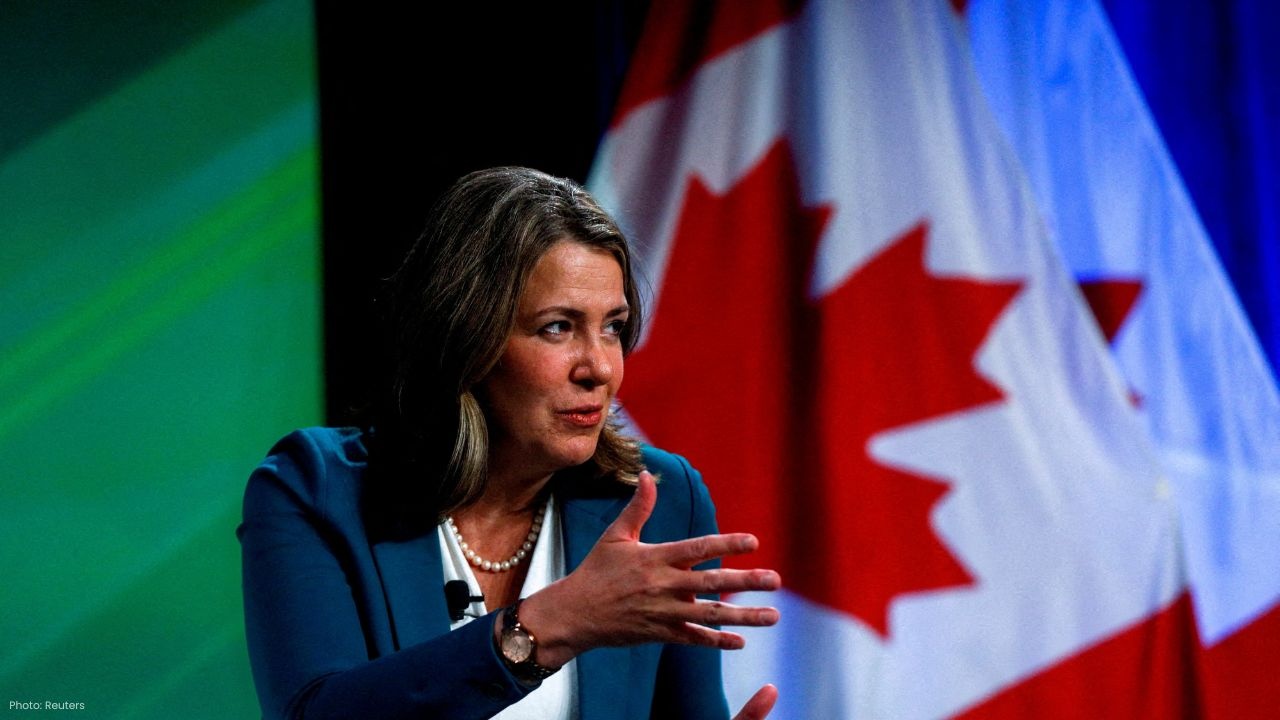
The Alberta government, under Premier Danielle Smith, has taken a significant constitutional step through the introduction of Bill 9, known as the Protecting Alberta’s Children Statutes Amendment Act. This bill invokes the notwithstanding clause from the Canadian Charter to protect three controversial laws aimed at transgender youth and adults from undergoing legal scrutiny.
Bill 9 is set to insulate several previously enacted laws from court challenges. The Health Statutes Amendment Act, 2024 (Bill 26) imposes restrictions on gender-affirming care, including a ban on puberty blockers and hormone therapy for individuals under 16, along with a prohibition on gender-affirming surgery for those under 18. The Education Amendment Act, 2024 mandates parental consent for students under 16 wishing to change their name or pronouns in school, requires notification of parents for 16- or 17-year-old students seeking pronoun changes, and places authority over sex education materials with the Education Minister, ensuring approval for content related to gender identity and sexual orientation. Moreover, the Fairness and Safety in Sport Act limits female-only sporting events to those designated as female at birth, permits sports organizations and school boards to create “biological female only” divisions, and allows challenges to athletes’ eligibility based on their sex assigned at birth.
Two of these legislations already face constitutional hurdles. Advocacy groups and numerous youth and families are challenging the health-care restrictions (Bill 26), with portions of this law currently halted by a June court injunction. Similarly, the education/pronoun law is contested by LGBTQ+ advocacy organizations. The Canadian Medical Association is also contesting the health legislation, arguing it interferes with the doctor-patient relationship and diminishes the autonomy of healthcare professionals.
Premier Smith asserts that these lawsuits may extend for years, causing “too much uncertainty,” while Justice Minister Mickey Amery insists immediate action is needed to safeguard children’s welfare and avoid the repetitive need to invoke the clause. The government maintains that these laws resonate with the views of a “broad majority” of Albertans, claiming their actions are measured and responsible.
The notwithstanding clause (Section 33 of the Canadian Charter of Rights and Freedoms) enables provincial administrations to enact laws that continue despite certain protections outlined in the Charter. When invoked, these laws must be renewed every five years. Through Bill 9, Alberta aims not only to preempt legal challenges but also to indefinitely suspend the application of the Alberta Bill of Rights and the Alberta Human Rights Act concerning these three laws.
Egale Canada has condemned this approach as “cynical and chilling,” describing it as an “attack on minority populations.” Critics have characterized the use of the clause as “an unconscionable attack on 2SLGBTQI individuals” and a more extensive assault on rights. The CMA opposes the invocation of the clause to enforce restrictions on gender-affirming healthcare, arguing it undermines clinical evidence, jeopardizes trust within patient-physician relationships, and sets a concerning precedent for political encroachments in healthcare.
Premier Smith has framed the legislation as a measure to “protect kids,” asserting that delaying certain medical interventions until adulthood will prevent irreversible decisions. She claims that the government is implementing “reasonable, proportionate, and evidence-based” measures through this legislation. According to the administration, resorting to the notwithstanding clause is a last resort needed to maintain the implementation of these laws amidst ongoing legal disputes.
Employing the notwithstanding clause for social legislation poses risks, as critics warn it may facilitate a more frequent bypassing of Charter safeguards. If renewed in five years, these laws could remain legally insulated for an extended period. This legislative move is likely to intensify divisions within Alberta and beyond, eliciting strong reactions from civil rights organizations, healthcare professionals, educators, and the LGBTQ+ community. For transgender minors, the laws will likely restrict access to medical treatments and impose parental involvement in the use of pronouns/names at school. For adult trans individuals and the broader 2SLGBTQ+ community, the implications on their rights and sense of security could be significant.
Bill 9 was introduced as the legislature reconvened, and upon passing, it would officially apply the notwithstanding clause to the three laws. Court challenges remain active, and even with the clause invoked, plaintiffs may pursue declaratory judgments, permitting courts to declare a law unconstitutional without the ability to annul it. Advocacy organizations have signaled they will not relent. Public response is anticipated to include protests, extensive legal review, and media discussions, with detractors labeling this initiative a “dark day” for transgender rights in Alberta. If the notwithstanding clause is invoked, its application necessitates re-evaluation every five years, potentially turning future elections into battlegrounds over these contentious policies.