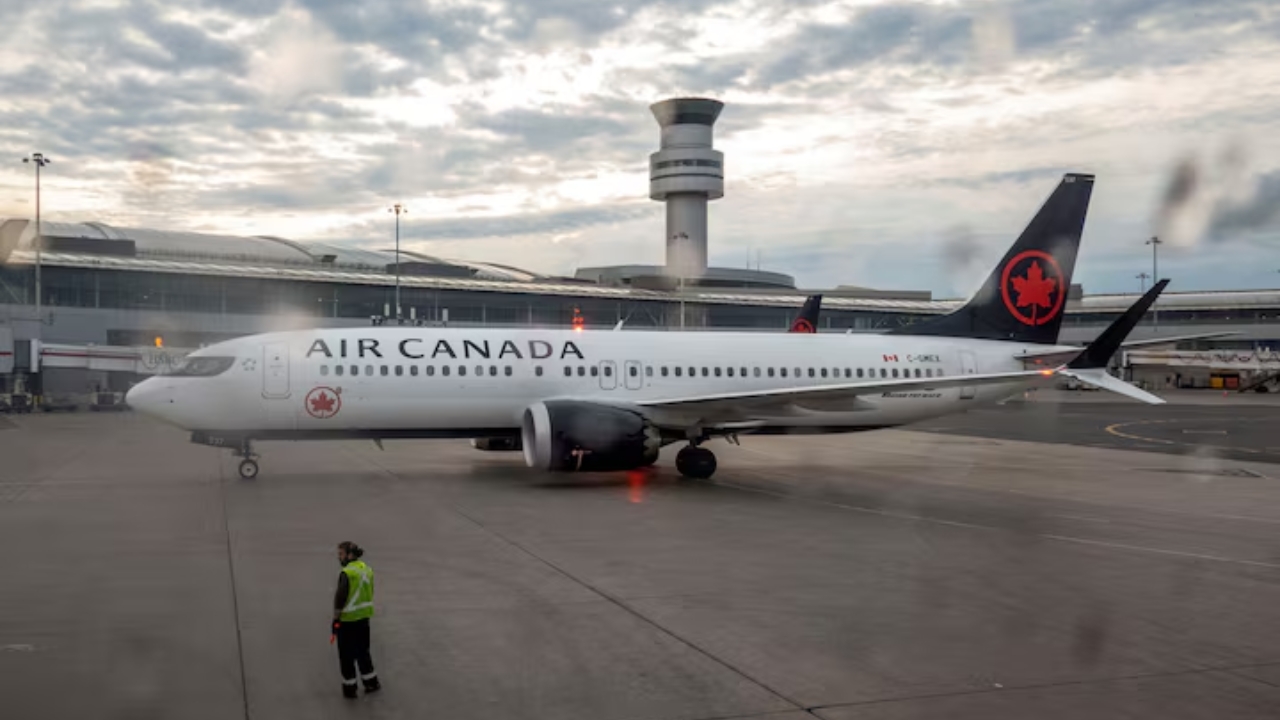
Photo: Reuters
Air Canada Flight Attendants Vote Overwhelmingly for Strike Mandate
August 5, 2025 — Thousands of Air Canada flight attendants have voted almost unanimously in favor of a strike mandate, increasing the risk of flight disruptions later this month. The vote, backed by 99.7% of members, was announced by their union, the Canadian Union of Public Employees (CUPE), which represents over 10,000 flight attendants.
This strong vote gives the union the power to serve a 72-hour strike notice once the federally required cooling-off period ends. That means a strike could legally begin as early as August 19.
1. Why the Vote Happened
The vote was held after months of failed negotiations between the union and the airline. Talks included a formal conciliation process, but by the end of July, both sides had reached a standstill.
- The flight attendants say they are frustrated by several key issues:
- Wages that haven’t kept up with inflation, while Air Canada’s profits have grown.
- Unpaid ground duties such as helping passengers board, performing safety checks, or deplaning — all tasks done without pay.
- Limited pension benefits and outdated employment terms.
According to CUPE president Wesley Lesosky, the result of the vote shows just how frustrated and serious the crew members are. He added that Air Canada has not done enough to fix long-standing problems, and the current system undervalues the daily work of flight attendants.
2. How the Vote Was Conducted
Voting took place between July 28 and August 5, with a 94.6% voter turnout. Out of the total participants, 99.7% voted yes, showing near-total support across the union membership.
While this vote does not guarantee a strike, it allows CUPE to issue a strike notice anytime after August 16 at 12:01 a.m. ET. That date marks the end of the 21-day cooling-off period, which is legally required under Canadian labor laws before any strike action begins.
If a strike notice is given, a full walkout could begin on August 19.
3. What Flight Attendants Are Demanding
- The union has made clear what it wants to see in a new contract. Their top demands include:
- Full pay for all hours worked, including the time spent preparing for takeoff and helping passengers after landing.
- A 10% pay raise to keep up with the high cost of living.
- Better pension and health benefits, especially for long-serving staff.
CUPE also shared a startling statistic: while inflation has risen by 169% since the year 2000, entry-level pay for Air Canada flight attendants has only increased by 10% during the same period.
4. What Happens Next
- The situation is unfolding according to a set timeline:
- August 16: Cooling-off period ends. The union can issue a 72-hour notice.
- August 19: If no agreement is reached, flight attendants can legally strike.
- Between now and then: Both the airline and union could return to the bargaining table to reach a last-minute deal.
- Air Canada has said it remains open to negotiations and still hopes to avoid any strike action. However, the airline is also preparing backup plans, which could include:
- Using management volunteers to fill staffing gaps.
- Cancelling or rescheduling flights.
- Providing refunds or alternative flights to affected passengers.
5. How Travel Could Be Affected
- If a strike does happen, the impact could be wide and severe:
- Over 1,000 flights per day may be disrupted, especially from key airports like Toronto (YYZ), Montreal (YUL), and Vancouver (YVR).
- Travelers could experience flight cancellations, major delays, and unexpected changes to their itineraries.
- Airports may become overcrowded, and passengers may have trouble rebooking.
- If you are flying with Air Canada later this month, book refundable tickets, watch for flight updates, and consider travel insurance.
6. Financial Impact and Industry Context
Air Canada is one of Canada’s largest and busiest airlines, carrying 45 million passengers last year. Any strike would not only affect domestic flights but also international travel and connecting flights with partner airlines.
According to analysts, each 1% pay increase would cost the airline about CAD $16 million per year. However, avoiding a strike might be worth it if it helps the company avoid large-scale disruptions and reputational damage.
Other airlines have faced similar union demands in recent years, reflecting a wider trend in the aviation industry, where workers are pushing back against stagnant pay and rising workloads.
7. Government's Position
So far, Canada’s federal government has not stepped in to stop the strike or push back the deadline. Earlier in the year, officials preferred mediation and negotiation over forcing workers back on the job.
Observers say it’s possible that public pressure or political concern could lead to government intervention — but nothing has been confirmed.
Topic Details
- Strike Vote Result 99.7% support from over 10,000 flight attendants
- Legal Strike Date As early as August 19, 2025
- Key Union Demands Full pay for ground duties, 10% wage increase, improved benefits
- Voting Period July 28 – August 5
- Air Canada’s Response Willing to negotiate; preparing contingency plans
- Travel Impact Over 1,000 daily flights at risk of disruption
- Passenger Advice Book flexible fares, stay updated, consider insurance
- Financial Estimate Each 1% raise may cost CAD $16 million annually
- Government Involvement None yet; prefers mediation
The near-total support for a strike mandate shows that Air Canada’s flight attendants are deeply dissatisfied with current working conditions. Many say they feel underpaid and undervalued, especially given their critical role in passenger safety and service.
The next few weeks are critical. A deal could still be reached, avoiding a strike altogether. But if negotiations fail, the airline and its passengers could face major disruptions just as summer travel peaks.
Passengers planning to fly after August 16 should monitor airline updates, plan ahead, and prepare for potential delays or cancellations.
This moment is a test not just for Air Canada, but for the broader airline industry — where balance between profit and people is now at the center