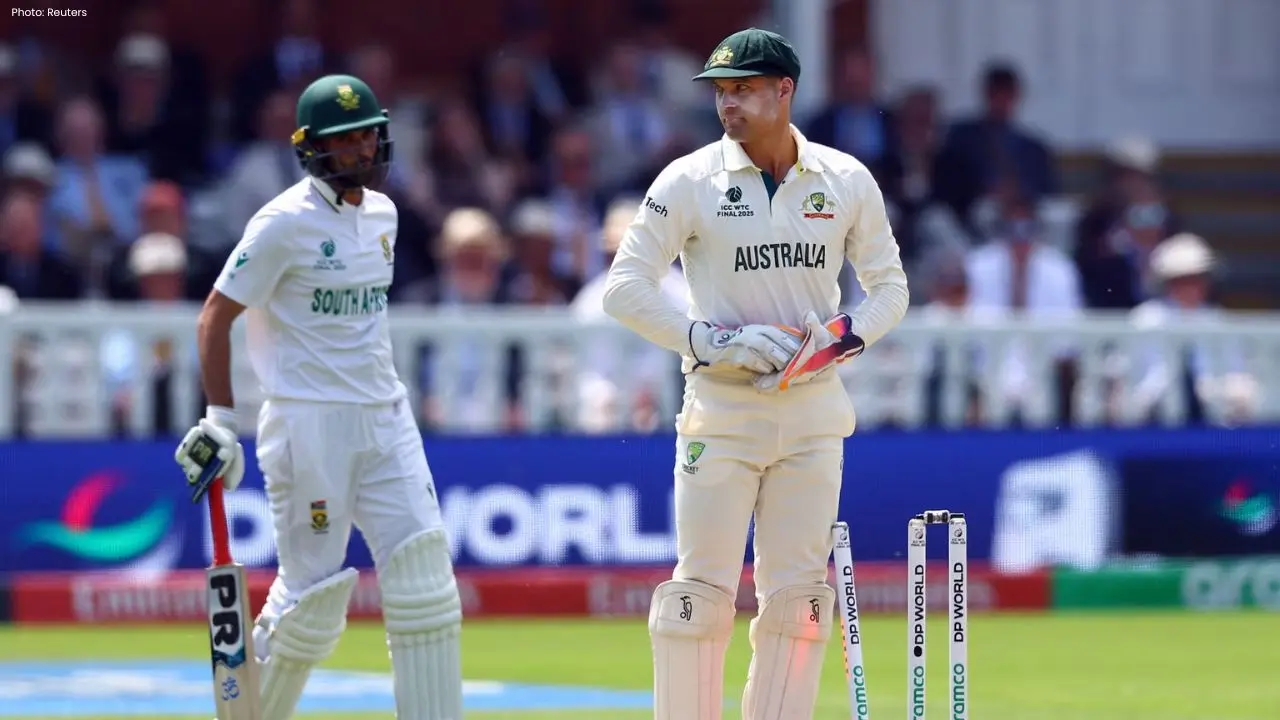
A major DRS controversy unfolded during day one of the third Ashes Test at Adelaide Oval when a technology error allowed Australia’s Alex Carey to survive a crucial caught-behind appeal.
Carey, who was batting on 72, edged a delivery from England bowler Josh Tongue, which should have been caught by Jamie Smith. The on-field umpire turned down the appeal, and even after the Decision Review System (DRS) was used, the dismissal was not overturned.
The Snicko technology, responsible for detecting faint edges, recorded a sound but it did not correspond correctly with the ball’s flight past the bat. This allowed Carey to continue his innings, eventually scoring 106 before being dismissed later in the day.
Cricket Australia chief Todd Greenberg called the incident “unacceptable,” citing human errors in both umpiring and technology. He said the governing body is seeking answers from the technology provider to ensure such mistakes do not happen again.
The company behind Snicko acknowledged the error, explaining that the wrong microphone was selected for audio processing, resulting in the misread. England lost a review in the process, but the decision was reinstated by the match officials.
Earlier, Australia posted 371 runs after winning the toss and choosing to bat. The hosts now lead the Ashes series 2-0 following victories in Perth and Brisbane.