A Knight of the Seven Kingdoms Review: A Heartfelt Prequel to Westeros
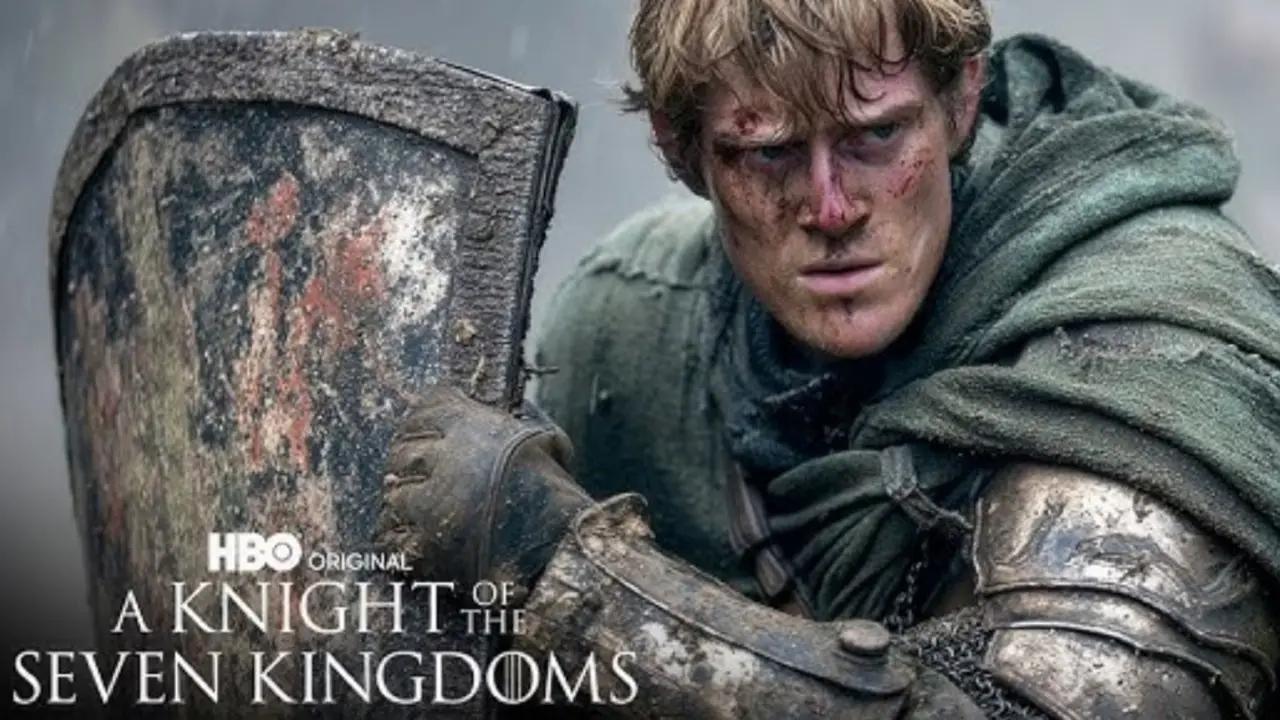
The eagerly awaited A Knight of the Seven Kingdoms has finally premiered on HBO and HBO Max as of January 18, 2026, marking a new addition to George R.R. Martin’s A Song of Ice and Fire universe. This six-episode series adapts Martin’s Tales of Dunk and Egg novellas, offering a refreshing shift from the political drama of Game of Thrones and House of the Dragon, presenting a more intimate, character-centric narrative focusing on two unlikely heroes.
In contrast to earlier adaptations that are steeped in political games and royal conflicts, A Knight of the Seven Kingdoms zeroes in on the personal journey of Ser Duncan the Tall (Dunk) and his squire Egg. Their growing bond serves as the emotional heart of the series, creating a narrative that feels both familiar and distinctly new, enriched with charm, humor, and moments that pull at the heartstrings.
Setting the Scene: A Westeros Before the Storm
A Landscape Post-Conflict
Set around 90 years before the events of Game of Thrones, and after the Targaryen civil strife shown in House of the Dragon, A Knight of the Seven Kingdoms explores a Westeros where dragons and power plays are less prominent. Instead, the spotlight shines on everyday lives, capturing a realm rich in lore, yet focused on personal quests rather than dynastic ambition.
This backdrop allows for explorations of moral themes through character-driven tales without the pressure of heroic destinies. Audiences are drawn into a world that feels homely and relatable, yet refreshingly personal.
Key Plot Points – More Than Just Thrones and Dragons
The Hedge Knight and the Boy with a Secret
At the heart of the series is Ser Duncan the Tall, or Dunk, a humble hedge knight. Unlike the noble knights of folklore, hedge knights traverse the realm unbound by service, making a living through odd jobs and tournaments. When Dunk encounters a curious boy named Egg—later revealed to be Prince Aegon V Targaryen—they forge an unlikely friendship that fuels the narrative’s emotional depth.
Dunk’s simple yet profound goals are rooted around proving himself as a knight and adhering to his own moral compass, even amidst a world indifferent to those ideals. Egg’s insightful nature and genuine admiration for Dunk enrich their collective journey, filled with tournaments, dubious nobles, and the unpredictable perils of Westeros.
Tonal Shift – Moving Away from Epic Grandeur
Distinctively, A Knight of the Seven Kingdoms diverts from the epic narratives of previous series. Rather than delving into sprawling court intrigues or supernatural threats, the focus lies on character development, ethics, and human connections.
Critics have noted this series for its lighter, character-driven tone—even imbuing moments of humor alongside the drama. The chemistry between Dunk and Egg stands out, imbuing the show with heart and emotional weight.
This new approach draws parallels to well-crafted story-centric dramas, emphasizing levity over spectacle, reminiscent of classic tales such as Don Quixote, where nobility and gentle adventure take center stage over the machinations of politics.
Themes and Character Relationships
Honor, Integrity, and Camaraderie
Instead of the ruthless power dynamics present in Game of Thrones, A Knight of the Seven Kingdoms examines the noble virtues and flaws of its main characters. Dunk represents an idealistic form of knighthood, founded on integrity, loyalty, and kindness, often navigating moral dilemmas in a world that tests those very principles.
Egg, with his youthful innocence and secret heritage, offers both contrast and a narrative foil to Dunk. His presence propels Dunk into moments of reflection, humor, and vulnerability, crafting a dynamic that is both uplifting and sincere.
Their rapport conveys one of the series' key messages: heroism can emerge from simple acts of loyalty and companionship, rather than grand battles.
Cast and Performances
The ensemble cast, featuring Peter Claffey as Dunk and Dexter Sol Ansell as Egg, delivers performances that have been lauded as vital elements of the show's appeal. Their interactions create a rich emotional underpinning that enhances the narrative, even in quieter segments.
Supporting roles add depth to this version of Martin’s universe, with characters like Ser Lyonel Baratheon and various Targaryens enriching the story, while unique figures such as puppeteer Tanselle introduce unexpected delight into episodes.
Critical Reception – A Mixed Yet Favorable Response
While A Knight of the Seven Kingdoms has received overall positive critiques, discussions about its place within the larger Game of Thrones narrative are ongoing.
Early reviews feature a commendable approval rating—around 83% on review aggregator sites—indicative of a generally favorable reaction. However, this is lower than the scores of earlier franchise offerings like House of the Dragon, marking it as the least rated debut season in the franchise.
Reviewers have highlighted the series’ warmth, humor, and innovative storytelling as appealing elements, while acknowledging that its modest stakes and episodic setup might not align with viewers used to grand fantasy narratives.
Narrative Structure and Flow
One significant choice made in A Knight of the Seven Kingdoms is its concise storytelling—six episodes, each lasting 30-45 minutes, that hone in on a singular arc. This format allows for a more focused narrative experience, free from the clutter of extensive plots and character ensembles typical in previous entries.
The result is an intimate narrative experience that prioritizes character arcs and thematic exploration over elaborate conflicts and cliffhanger politics. The pacing, while lighter, rewards audiences who appreciate depth and nuance.
Humor Meets Grit
Critics have remarked on how the series doesn’t shy away from the darker realities of Westeros, including violence and the challenges faced by its characters. Yet, these themes are often tempered with humor, creating a tone that sets A Knight of the Seven Kingdoms apart from its predecessors.
Often, the lighter moments accentuate the characters’ humanity, demonstrating how joy, kindness, and simple pleasures can coexist with peril and grief.
Franchise Context – A Complementary Offering
As a spinoff in the Game of Thrones franchise, A Knight of the Seven Kingdoms refrains from mirroring the grand narratives and intricate political entanglements of earlier seasons. Instead, it embraces a different narrative style, thriving on grounded storytelling, character introspection, and moral complexity.
For long-time fans, this deviation may represent a welcome expansion of the universe—demonstrating that Westeros can foster tales beyond battles for the Iron Throne, dragons, and warfare. For newer audiences or those less focused on expansive fantasy, the series offers an inviting charm that feels refreshingly heartfelt.
Concluding Thoughts – An Entry With Its Own Distinct Identity
A Knight of the Seven Kingdoms emerges as a refreshingly unique contribution within Westminster's vast mythology. By concentrating on the humble journeys of Dunk and Egg, the series underscores the values that often get eclipsed by power plays in fantasy, such as integrity, loyalty, friendship, and personal bravery.
While diverging from the grandiosity of its predecessors, it successfully delivers audiences a warm, engaging, and emotionally resonant tale that proves that Westeros can captivate through a different lens. Whether it is celebrated as a delightful diversion or critiqued as a lighter addition to a legendary narrative, A Knight of the Seven Kingdoms certainly leaves its mark on the Game of Thrones legacy.
Disclaimer:
This article consolidates publicly available critiques and insights regarding A Knight of the Seven Kingdoms as of January 2026. Further details concerning future seasons and casting may evolve following official announcements.