In today's fast-paced world, stress has become a normal part of our routines. Long hours at work, relentless notifications, and societal expectations keep us in a constant state of alertness. This prolonged stress can adversely affect both our mental and physical health, often manifesting as weight accumulation around the abdomen, commonly referred to as a “cortisol belly.”
When the body encounters stress, it releases cortisol, a hormone that aids in dealing with immediate threats by providing energy and heightened focus. However, persistently elevated cortisol levels over time can lead to various health complications, including unwanted abdominal fat storage, which can occur even in individuals who are otherwise of normal weight.
Research confirms that chronic stress can result in abdominal fat, independent of overall body weight. Thus, managing stress can be as crucial as maintaining a balanced diet and regular exercise.
How Controlled Breathing Alleviates Stress
Breathing and yoga techniques are renowned for their calming effects on the nervous system. By engaging in controlled breathing, we send reassuring signals to the brain, effectively reducing cortisol production. Health experts suggest that yoga also enhances the levels of GABA, a calming neurotransmitter, which promotes emotional stability and relaxation.
Incorporating simple breathing exercises into your daily routine can gradually mitigate stress levels and support hormonal equilibrium. Himalayan Siddhaa Akshar, the founder of Akshar Yoga Kendra, shares five effective breathing techniques that can alleviate stress while supporting overall wellness.
1. Bhastrika Pranayama
This exercise emphasizes deep, controlled breathing.
To begin, sit or stand with your back aligned, preferably against a wall. Take slow, deep breaths for about three seconds, ensuring your lungs fill completely. Hold your breath gently for 25 to 30 seconds without strain, then gradually release. Repeat this for several rounds.
With regular practice, this technique can enhance lung capacity, enhance oxygen circulation, and stabilize stress hormones, promoting an improved fat distribution in the body.
2. Kapalbhati Pranayama
Kapalbhati is recognized for its benefits in mental clarity and digestion.
Assume a comfortable seated position. Exhale gently but purposefully through your nose, allowing your abdomen to retract. Inhale naturally without any exertion. Start slowly, gradually increasing speed as your body adapts.
This practice fosters a calm mind, enhances focus, and reduces cortisol levels, instilling a sense of mental control and tranquility.
3. Surya Nadi Bhedan
This technique employs right nostril breathing.
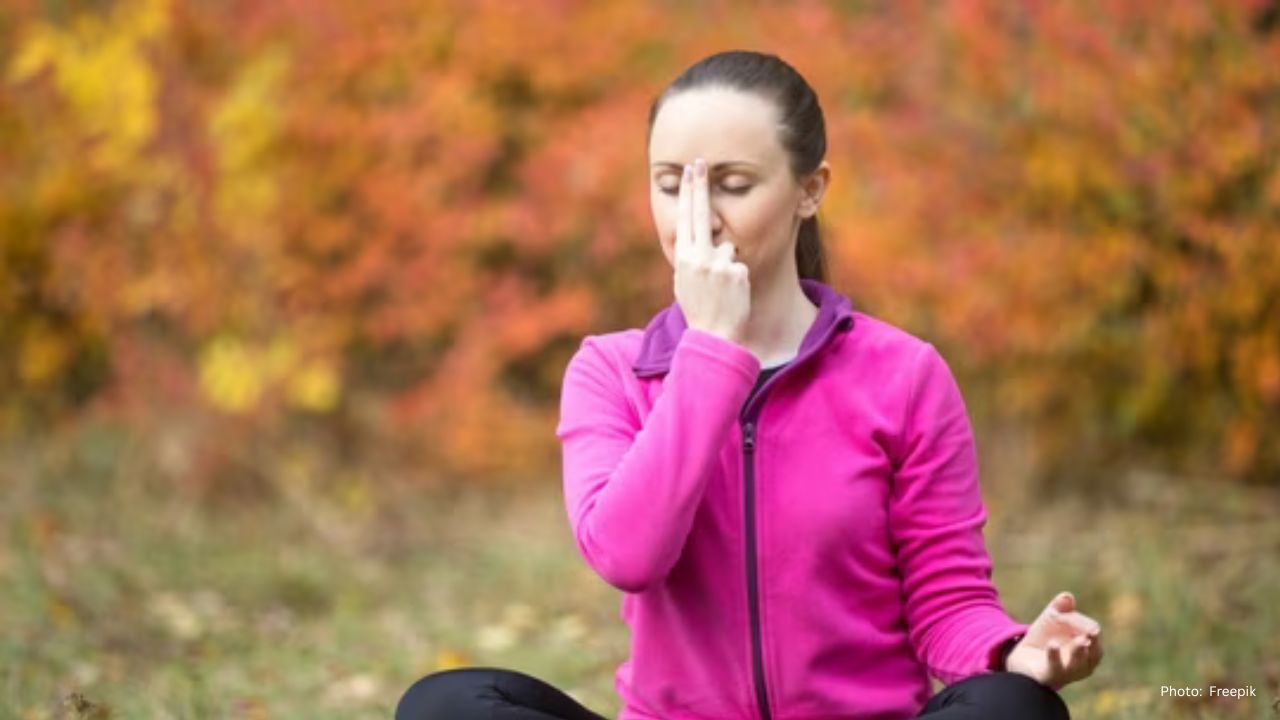
Sit comfortably and close the left nostril. Inhale and exhale solely through the right nostril. Maintain this rhythm for several rounds.
This practice aids digestion, improves respiratory efficiency, and helps combat stress-related fat accumulation.
4. Anulom Vilom
Anulom Vilom is a popular technique for promoting relaxation.
Sit relaxed and erect. Close the right nostril and inhale through the left, then switch and exhale through the right. Continue this alternating pattern at a gentle pace.
This exercise helps to soothe nerves, calm the mind, and restore hormonal balance disrupted by sustained stress.
5. Chandra Nadi Bhedan
This method emphasizes cooling and calming effects.
Cloak the right nostril with your right hand. Inhale via the left nostril, followed by an exhalation through the same nostril. Begin by practicing for a minute and gradually increase your time.
Small adjustments in your breathing can yield substantial benefits in stress reduction, hormonal stability, and overall health.
A Gentle Reminder
While breathing techniques can effectively support stress management, they should not replace professional medical advice. Individuals with underlying health conditions should seek consultation before adopting new practices.
Alleviating stress is a journey that takes patience; however, consistent, mindful breathing can foster relaxation, lower cortisol levels, and enhance both mental and physical well-being.