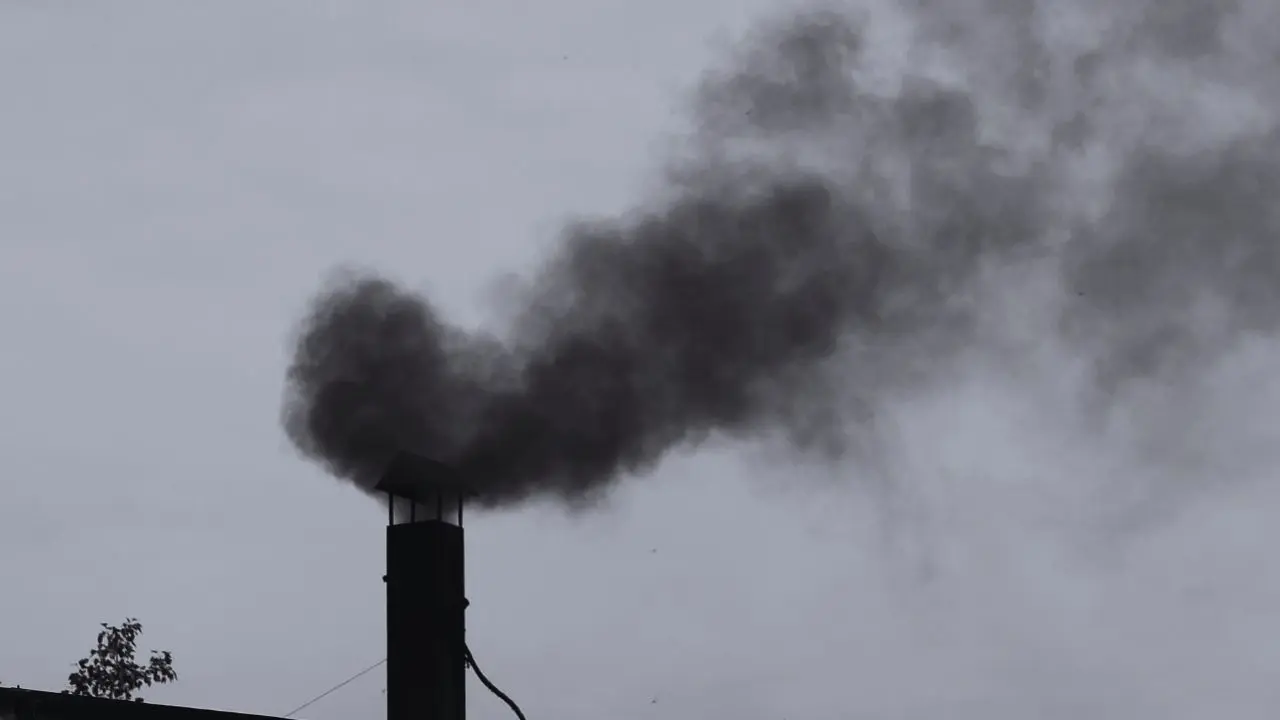
A Disturbing Benchmark: Emissions Reach All-Time High
The year 2025 has brought a startling revelation: global greenhouse gas emissions have surged to a historic peak. Despite numerous promises, climate conferences, and significant investments in clean energy, the trajectory remains alarming.
This increase in emissions holds serious ramifications. It not only puts scientific pathways for limiting global warming in jeopardy but also complicates national targets and questions the reliability of current climate policies. Countries that vowed to significantly cut carbon outputs are now confronted with the urgent need to catch up — rapidly.
Before concluding whether climate goals can still be met, it's essential to analyze the factors driving emissions upward even in a decade marked by advancements in renewable energy.
Reasons for the Emission Rise Amid Climate Initiatives
Economic Recovery Fuels Energy Needs
Following periods of downturns and rebound phases, economic activities have surged in key global economies. Growth in industrial output, transportation, and construction has surged, creating a heightened demand for fossil fuels. Many countries still depend on coal, oil, and gas to invigorate economic activity during times of uncertainty.
Challenges in Transitioning Developing Economies
Emerging nations face distinct hurdles. Their fast-growing economies, expanding populations, and escalating infrastructure demands mean that while investments in clean energy are increasing, fossil fuels remain more affordable and readily available. Often, developmental priorities overshadow climate objectives in these regions.
Prioritizing Energy Security
Due to geopolitical tensions, supply chain disruptions, and volatile commodity prices, several nations have opted to prioritize energy security over transitioning to clean energy. Short-term solutions, such as stockpiling coal and revamping older power stations, have emerged to safeguard against potential outages.
Gradual Decline of Coal Usage
Coal continues to be a significant contributor to global emissions. Numerous countries that committed to abandoning coal quickly have seen their progress stall due to:
-
escalating electricity demand
-
heightened heatwaves burdening power grids
-
financial limitations on renewable initiatives
This reliance continues to undermine global efforts to combat climate change.
The Consequences of Rising Emissions for Climate Objectives
1.5°C Target Drifts Further Out of Reach
To keep temperature rise below 1.5°C, global emissions should have peaked long ago. This 2025 record indicates the world has veered significantly off course. Even with ambitious reductions, the remaining carbon budget is rapidly depleting.
Net-Zero Deadlines Are at Risk
Many nations aim for net-zero by 2050, 2060, or 2070, but these timelines are under threat because:
-
emissions are rising faster than reductions
-
existing infrastructures lock in decades of fossil fuel reliance
-
climate financing promises remain largely unmet
Achieving net-zero requires sustained reductions rather than temporary boosts in clean energy.
Increasing Frequency and Intensity of Climate Risks
Rising emissions lead directly to more severe climate impacts:
Communities around the globe are increasingly confronted with climate-related disasters, occurring at an unprecedented pace.
Where Climate Advancements Are Noted
Growth in Renewable Energy Capacity
Solar, wind, and hydropower capacities have shown significant growth. Many areas are now sourcing renewable energy at lower costs than fossil fuels. However, the challenge remains in rapidly scaling these technologies versus rising demand.
Accelerated Adoption of Electric Vehicles
Record-breaking sales in EVs indicate cleaner urban transport is on the rise, and countries are phasing out combustion engines. Nonetheless, complete decarbonization hinges on cleaner electricity grids and infrastructure advancement.
Heightened Climate Awareness
Public awareness regarding climate issues has surged, driving government and industry actions. Youth movements, local grassroots activism, and corporate responsibility initiatives continue to shape policy frameworks.
Yet, mere awareness falls short as emissions continue to climb.
Reasons Current Climate Policies Are Lacking
Dependence on Future Innovations
Many governments believe that emerging technologies—like carbon capture or hydrogen solutions—will alleviate emissions in the future. This reliance on “future fixes” stalls immediate action.
Low Levels of Climate Financing
Developing nations rely on global funds for transitioning to clean energy. While commitments exist, the actual funding remains drastically low, hindering essential projects.
Weak Policy Implementation and Enforcement
Even in cases of established policies, execution is often delayed. Lax regulatory frameworks permit high-emission industries to thrive without consequence.
Industrial Emissions Underestimated
Decarbonizing heavy industries—steel, cement, chemicals—remains daunting. Despite innovative advancements, large-scale adoption lags behind.
Economic Repercussions of Escalating Emissions
Increased Spending on Disaster Recovery
Governments are now allocating larger budgets for recovery efforts from storms, floods, droughts, and wildfires. These expenses place pressure on fiscal resources, diverting funding from developmental goals.
Rising Insurance Costs
Insurance firms are adapting to escalating climate risks, making policies more costly or even inaccessible in vulnerable regions.
Agricultural Pressures
Extreme heat, water shortages, and shifting climatic patterns lead to decrease in crop yields, impacting food prices and farmers' earnings.
Supply Chain Turbulence
Adverse weather patterns create manufacturing and logistics bottlenecks, heightening costs for both businesses and consumers.
Can We Still Achieve Climate Goals? A Pragmatic View
1.5°C Target Requires Urgent Action
To meet the 1.5°C limit, unprecedented, immediate global emission cuts are essential. This involves hastening coal phaseout, aggressive deployment of renewables, and overhauling energy systems.
2°C Target Remains Challenging Yet Possible
While limiting warming to 2°C calls for substantial efforts, it is still attainable if nations promptly enhance their commitments.
Urgent Upgrading of National Climate Targets
Current commitments must be fortified. Countries should transition from gradual improvements to a complete overhaul of their energy frameworks.
Opportunities for Rapid Progress
Accelerating Renewable Energy Adoption
Expanding solar and wind operations is among the quickest methods to reduce emissions. Nations can expedite this process by upgrading grid systems and eliminating regulatory barriers.
Decarbonizing Transportation
Increased use of electric vehicles, enhancements to public transport, and advancements in cleaner fuel can significantly cut urban emissions.
Transforming Industrial Emissions
Utilizing green hydrogen, low-carbon manufacturing techniques, and carbon capture technologies can assist industries in minimizing their environmental footprint.
Restoring Ecosystems and Natural Carbon Sinks
Safeguarding mangroves, rejuvenating forests, and enhancing soil carbon retention can play a vital role in offsetting emissions naturally.
Empowering Citizens Amidst Legislative Debates
Embrace Sustainable Lifestyles
Noteworthy daily actions can curb emission-driven consumption:
Advocate for Clean Energy Initiatives
Citizens can drive policy change by endorsing renewable energy investments and supporting climate-friendly governance.
Prepare for Climate-Related Challenges
Communities must bolster disaster readiness by improving:
Business Sector's Role in Change
Key Emission Reductions from Corporates
Corporations account for a large share of global emissions. While many major players are committing to climate action, execution must be expedited.
Invest in Low-Carbon Solutions
Companies embracing sustainability early will position themselves for economic advantages as global markets evolve towards greener alternatives.
Transparent Emission Reporting
Effective climate action demands measurable and credible progress, surpassing vague commitments to net-zero.
Conclusion: High Emissions Signal Urgency, Not Finality
The record-level emissions in 2025 serve as a critical alarm. Yet, they also present a chance. Humanity possesses the technology, scientific insight, and global consciousness required to averting dire climate outcomes — provided our actions are swift, united, and ambitious.
Climate aspirations remain achievable, contingent upon governments, businesses, and individuals recognizing the immediacy of the situation. The forthcoming years will ascertain if global endeavors succeed or falter. The time frame for ensuring a stable climate future is limited, yet still accessible.
Disclaimer:
This article offers general insights into climate matters and does not substitute for scientific or policy-specific advice. Climate projections are influenced by evolving research, international collaborations, and local conditions.