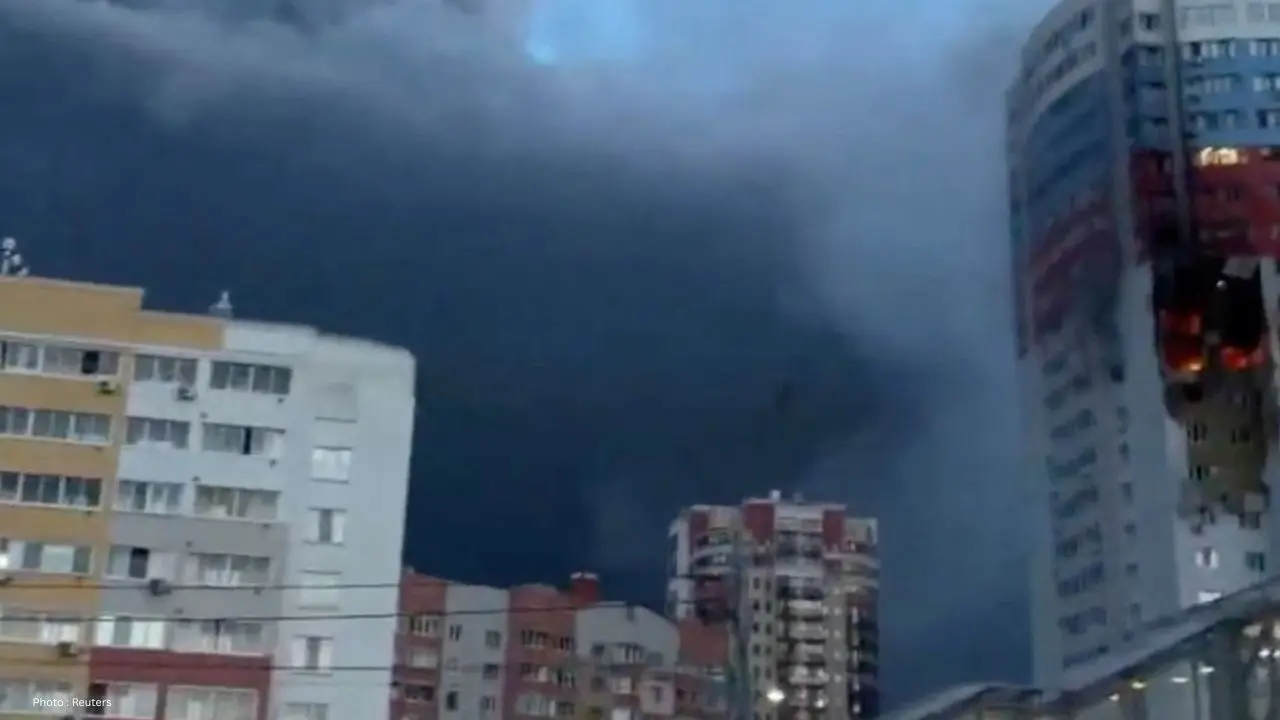
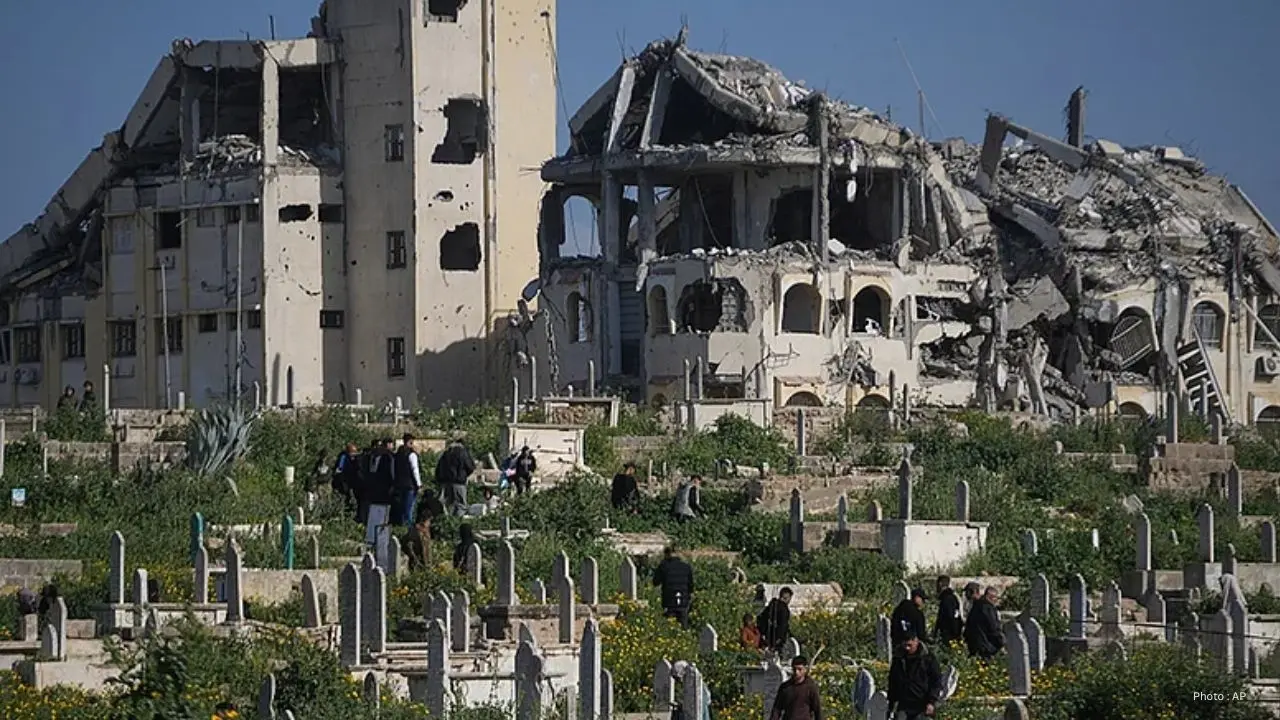
Ukrainian President Volodymyr Zelenskyy has promised a strong response following a new wave of deadly Russian bombardments that struck several areas across Ukraine, causing civilian casualties and widespread destruction. The attacks targeted residential neighborhoods, infrastructure sites, and energy facilities as fighting between Ukrainian and Russian forces continued to intensify in multiple regions.
According to Ukrainian officials, Russian missile and drone strikes hit cities and towns overnight, damaging homes, roads, and public buildings. Emergency crews worked through the night to rescue civilians trapped under debris while hospitals treated injured residents. Local authorities reported deaths and injuries, including women and children, as air raid sirens sounded across different parts of the country.
In a public statement following the attacks, Zelenskyy condemned Russia’s actions and said Ukraine would continue defending itself against what he described as deliberate attacks on civilians and national infrastructure. He promised that Ukrainian forces would respond firmly and said those responsible for the bombardments would face consequences. Ukrainian officials also renewed calls for additional air defense systems and military support from Western allies.
Russia has continued carrying out long-range missile and drone attacks throughout the war, often targeting Ukraine’s energy grid, transportation systems, and military positions. Moscow claims the strikes are aimed at weakening Ukraine’s defense capabilities, while Ukraine and Western governments accuse Russia of intentionally targeting civilian areas and violating international law.
Military analysts say the latest attacks appear to be part of a broader Russian strategy to increase pressure on Ukraine before potential new military operations later this year. Experts also believe Russia may be trying to damage infrastructure and lower public morale by maintaining constant aerial attacks across major urban centers.
The renewed bombardments come as diplomatic efforts to reduce tensions remain stalled. International leaders have repeatedly called for negotiations and ceasefire discussions, but fighting on the battlefield continues with little sign of a long-term settlement. Western governments have meanwhile continued supplying Ukraine with military aid, financial support, and air defense equipment.
Ukrainian authorities reported that air defense systems successfully intercepted some incoming missiles and drones, but several strikes still reached their targets. Power outages and infrastructure damage were reported in some affected regions, forcing emergency crews to restore services while security officials assessed the full scale of destruction.
Human rights organizations and international observers again expressed concern over the humanitarian impact of the war, especially the growing number of civilian casualties linked to missile and drone attacks. Aid groups warned that repeated strikes on homes and infrastructure continue to place millions of Ukrainians under severe stress as the conflict moves deeper into another difficult year.
The Russia-Ukraine war remains one of the world’s most serious geopolitical crises, affecting global energy markets, food supplies, security policies, and international diplomacy. As both sides continue military operations, fears remain high that further escalation could lead to even more destruction and instability across the region.