Revitalize Your Hair: A Yoga and Pranayama Approach to Combat Hair Loss
Many individuals face daily concerns about hair loss, with students, professionals, and even teenagers observing their hair becoming weaker and less vibrant. Factors such as prolonged study hours, excessive screen exposure, unhealthy eating habits, and ongoing stress contribute significantly to scalp health deterioration. When stress levels rise, the hair follicles bear the brunt of the impact.
Fortunately, you don't need expensive hair treatments to combat this issue. A brief daily session of yoga, pranayama (breathing exercises), and gentle scalp massages can foster relaxation, enhance blood circulation, and naturally encourage healthy hair growth. These easy practices nurture the body and help restore internal balance.
Let’s explore this practical routine together.
The Role of Stress in Hair Loss
While losing a few hairs daily is normal, excessive shedding often signals internal disturbances. Some prevalent causes include:
-
Overthinking and stress
-
Inadequate sleep
-
Poor diet and irregular eating
-
Impaired blood circulation
-
Hormonal fluctuations
-
Tightly pulled hairstyles
-
Frequent heat styling
-
Environmental pollutants
-
Harsh chemicals from hair products
Among these factors, stress often emerges as a significant underlying cause, with many unaware of its direct impact on hair health.
Impact of Stress on Hair Roots
Elevated stress levels trigger bodily reactions that can adversely influence hair growth:
1. Diminished Scalp Blood Flow
Stress constricts blood vessels, inhibiting nutrient delivery to hair follicles.
2. Increased Stress Hormones
Cortisol can disrupt the natural hair growth cycle, leading to premature shedding.
3. Tension in the Scalp
A tight scalp hampers flexibility, making it challenging for new hair to thrive.
This is where yoga and pranayama shine—they alleviate stress, relax blood vessels, and enrich the scalp with oxygen.
Yoga's Advantages for Hair Strength
Yoga not only calms the mind but also fosters overall wellness. Healthy hair symbolizes a thriving body. With consistent practice, yoga:
-
Enhances blood circulation
-
Mitigates mental stress
-
Encourages deeper breathing
-
Soothes the nervous system
-
Balances hormone levels
-
Improves nutrient uptake
These benefits make yoga an excellent option for those struggling with hair loss.
A Quick 10-Minute Yoga Sequence Against Hair Loss
This routine can be practiced every morning or evening.
1. Forward Bend (Uttanasana)
Bend forward, allowing your head to hang down.
Benefits: Increases blood flow to the scalp, nourishing the hair roots.
2. Camel Pose (Ustrasana)
Gently arch your back, lifting your chest.
Benefits: Expands the chest and lungs, facilitating oxygen circulation.
3. Child’s Pose (Balasana)
Sit back on your heels and stretch forward with your arms.
Benefits: Calms the mind, alleviates tension, and relaxes the nervous system.
4. Downward Dog (Adho Mukha Svanasana)
Lift your hips to form an inverted “V.”
Benefits: Directs blood toward the head, relieving shoulder and spinal tightness.
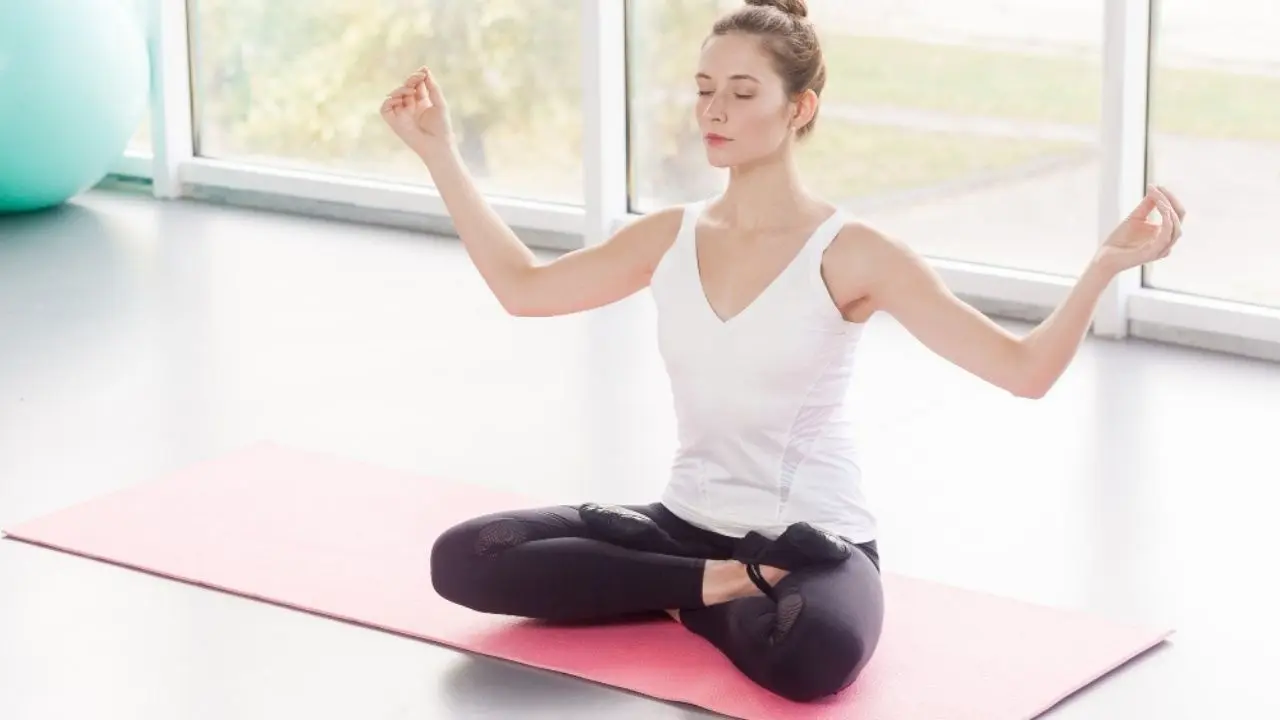
5 Pranayama Techniques for Hair Vitality
Breathing exercises boost oxygen intake and alleviate stress—two vital elements for healthy hair.
1. Anulom Vilom
Breathe through one nostril at a time.
Benefits: Balances hormones and calms the mind.
2. Kapalabhati
Quick exhales while tightening the abdomen.
Benefits: Detoxifies and enhances digestion, crucial for hair health.
3. Bhramari Pranayama
Produce a soft hum while exhaling.
Benefits: Provides instant relief from tension.
4. Sheetali Pranayama
Inhale cool air through the mouth.
Benefits: Cools the body, reducing heat-induced hair loss.
5. Deep Breathing
Fill your lungs slowly and exhale gently.
Benefits: Boosts oxygen supply and enhances scalp circulation.
A brief 5-minute routine can yield noticeable improvements within weeks.
Self-Massage Techniques for Enhanced Hair Roots
Massage serves as nourishment for your scalp, improving blood flow and revitalizing hair follicles.
Warm Oil Massages
Employ coconut, almond, or bhringraj oil.
Warm oil repairs weak roots and minimizes breakage.
Fingertip Massage
Gently massage your scalp in circular motions.
This enhances circulation and relaxes scalp muscles.
Pressure Point Massage
Apply gentle pressure around the temples and crown.
These spots relieve stress and promote hair growth.
Nutrition for Promoting Hair Growth
Your dietary choices significantly influence hair health. Incorporate:
-
Nuts: almonds, walnuts
-
Protein sources: eggs
-
Leafy greens: spinach
-
Seeds: pumpkin seeds
-
Yogurt
-
Fruits: amla, oranges
These foods are packed with essential nutrients for strong hair.
Daily Practices to Minimize Hair Loss
Small daily shifts lead to substantial results.
Frequently Asked Questions
1. When can I expect results?
Most individuals notice improvements within 3–6 weeks.
2. Is yoga sufficient on its own?
While yoga is effective, combining it with proper diet and scalp care yields better outcomes.
3. Are these pranayama exercises beginner-friendly?
Absolutely, the techniques outlined are safe and straightforward.
4. Can older adults benefit from this routine?
Yes, this gentle approach is suitable for all age groups.
5. Does Kapalabhati benefit hair health?
Indeed, as it enhances digestion and promotes oxygen flow.
6. How much time is needed for daily practice?
Around 10–15 minutes is sufficient.
Investing in simple, natural remedies can effectively counter hair loss. Consistent engagement in yoga, pranayama, and gentle self-massage can alleviate stress, enhance circulation, and foster healthier hair growth. With a tranquil mind and ample oxygen for the body, hair can regain its vitality from within.
Disclaimer
This article serves informational purposes only and is not a substitute for professional medical advice. Individual health conditions may vary, and consulting a healthcare professional is recommended for severe concerns. The author is not liable for any adverse reactions resulting from the practices mentioned.