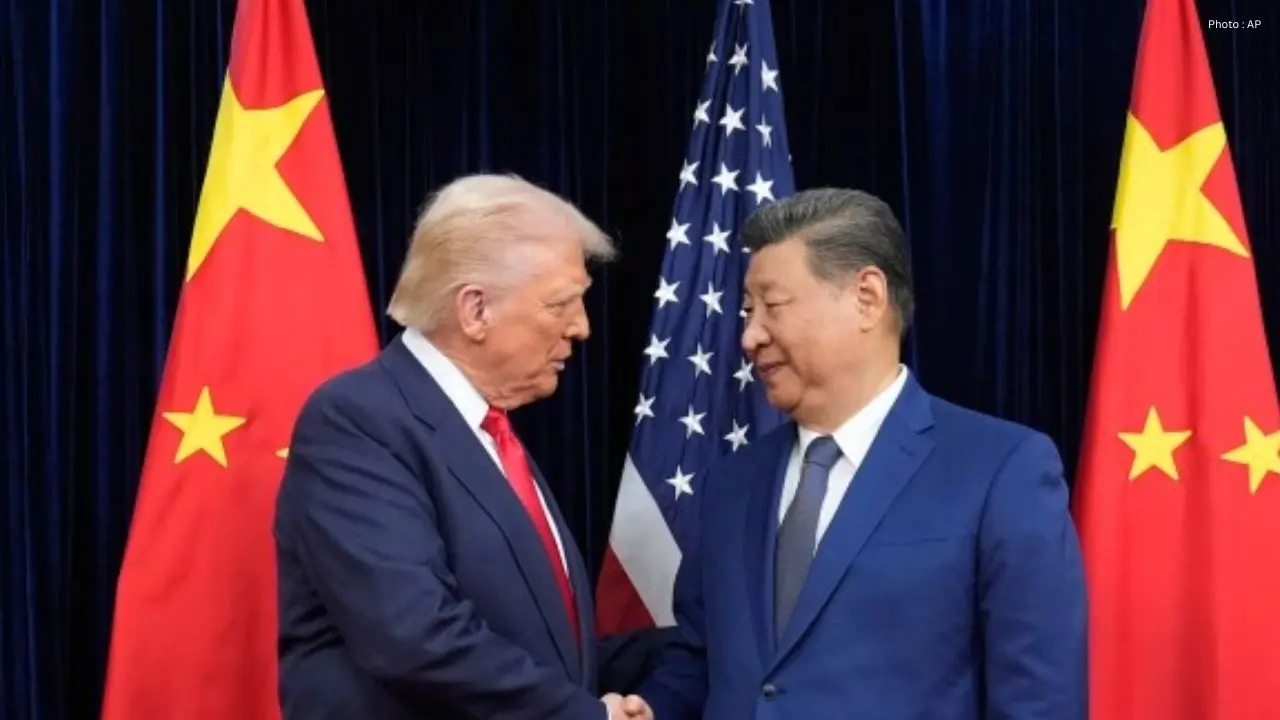
Chinese President Xi Jinping delivered a strong warning to the United States over Taiwan during a high-stakes summit in Beijing with U.S. President Donald Trump, highlighting one of the most sensitive and dangerous issues in U.S.-China relations. At the same time, Trump described Xi as a “great leader,” signaling an effort to maintain stable diplomatic communication despite deep tensions between the two global powers.
The summit brought together the leaders of the world’s two largest economies at a time of rising global uncertainty involving trade, technology, military rivalry, and international security. While both sides discussed economic cooperation and trade concerns, Taiwan quickly emerged as one of the central topics during the talks.
According to Chinese officials, Xi told Trump that Taiwan remains a “core national interest” for Beijing and warned against any actions that could encourage Taiwanese independence movements. China considers Taiwan part of its territory and has repeatedly stated that reunification is a national priority, including the possible use of force if necessary.
Xi reportedly urged the United States to respect China’s sovereignty and reduce military and political support for Taiwan. Chinese state media emphasized that Beijing views foreign involvement in Taiwan-related matters as interference in China’s internal affairs.
During the summit, Trump referred to Xi as a “great leader” and praised his political strength and influence. Analysts said the comments appeared aimed at keeping discussions constructive while avoiding direct confrontation during the sensitive negotiations. Trump also stressed the importance of maintaining economic stability and avoiding unnecessary escalation between Washington and Beijing.
Despite the positive language, major disagreements remain between the two countries. The United States continues supporting Taiwan through arms sales, strategic cooperation, and unofficial diplomatic ties. Washington officially follows the “One China” policy but also maintains commitments under the Taiwan Relations Act to help Taiwan defend itself.
Taiwan has become one of the most serious flashpoints in global politics. China has increased military activity around the island in recent years, including large-scale naval exercises, aircraft operations, and military patrols near Taiwanese territory. The United States and its allies have responded with increased naval presence and regional security cooperation across the Indo-Pacific region.
The Beijing summit also included discussions on tariffs, technology restrictions, artificial intelligence, cybersecurity, and global supply chains. Both countries remain economically connected despite years of trade tensions and strategic rivalry.
Political analysts said Xi likely entered the summit from a position of confidence due to China’s expanding global trade relationships and growing influence across Asia, Africa, and the Middle East. At the same time, Trump faces pressure domestically to appear strong on China while also protecting American economic interests.
Some observers viewed Trump’s praise of Xi as part of his long-standing diplomatic style of maintaining personal relationships with powerful world leaders even during difficult negotiations. Critics, however, argued that such language may weaken America’s position on issues involving Taiwan and human rights.
Taiwanese officials closely monitored the summit, especially Xi’s warnings regarding sovereignty and independence. Leaders in Taipei have repeatedly rejected Beijing’s territorial claims and continue strengthening defense cooperation with the United States and regional allies.
Global markets also watched the meeting carefully because worsening tensions between the United States and China could impact international trade, manufacturing, technology industries, and financial stability worldwide. Investors generally favor signs of stable communication between Washington and Beijing even when major disagreements continue.
Although the summit ended without major breakthroughs on Taiwan, both governments described the talks as important for maintaining dialogue during a period of increasing geopolitical competition. Experts believe Taiwan will remain one of the most sensitive and potentially dangerous issues shaping future U.S.-China relations.
As rivalry between the two superpowers continues growing, the Beijing summit demonstrated how diplomacy, economic interests, and military tensions are now deeply connected in the struggle for influence across the Indo-Pacific region and the wider global order.