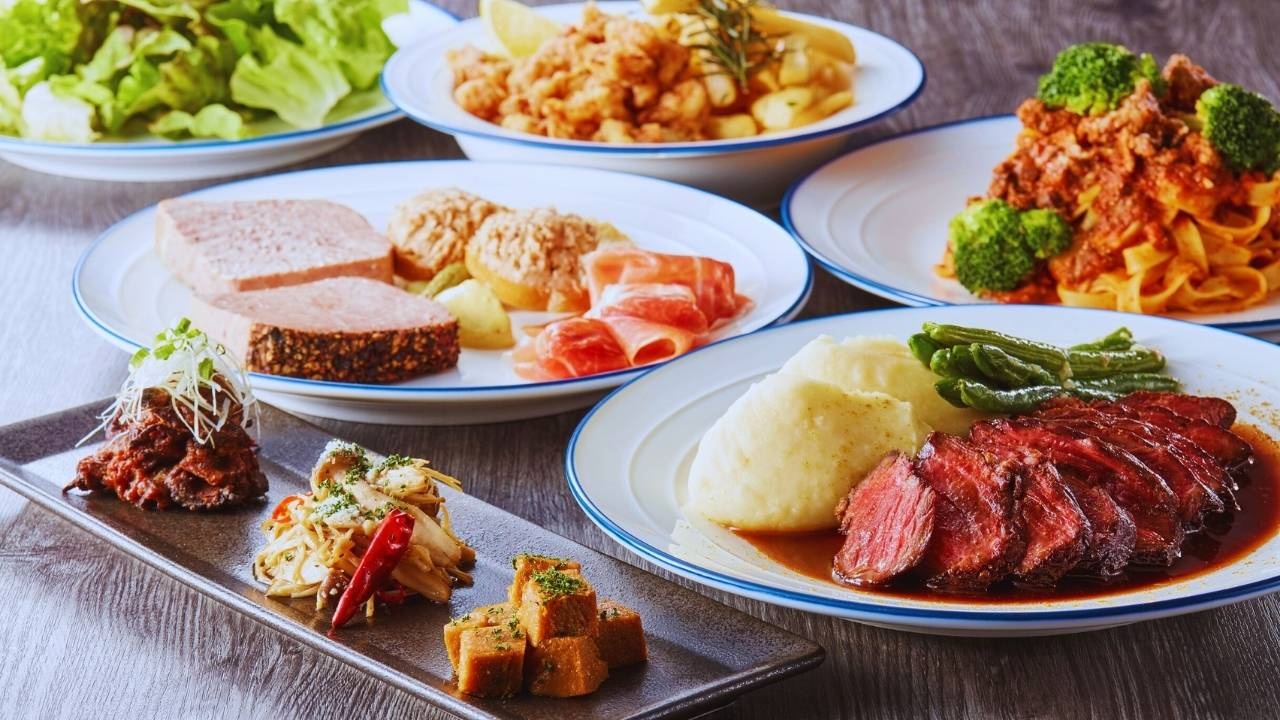
The Global Culinary Landscape
Food carries stories—of place, people and time. As travel, migration and media shrink distances, dishes from Italy, Japan, Mexico and India have become part of everyday meals far from their origins. Classics like pasta, sushi, tacos and curry now mingle with local habits on plates around the world.
When a recipe travels, it rarely remains unchanged. Cooks swap ingredients, tweak textures and adapt techniques to fit local tastes and what’s available. The result is a series of inventive hybrids that honor the past while offering fresh perspectives on familiar flavors.
Why Cuisines Are Adapted Locally
Local reinterpretation happens for many reasons. Palates differ across regions—what’s fiery in one country may be mellowed in another. Religious dietary rules and seasonal availability also shape how a dish is recreated.
Practical concerns matter too. Cost and supply often mean chefs substitute luxury items with affordable local alternatives, making international plates accessible to more people. The challenge is preserving a dish’s spirit while making it relatable to diners at home.
Examples of Global Cuisines Reinterpreted
Italian Cuisine with Local Twists
Pizza and pasta have become canvases for local creativity. In the United States, unconventional toppings—think barbecue chicken or pineapple—reflect regional tastes. Across Asia, pasta sauces and additions may incorporate kimchi, fresh seafood or spicy condiments to suit local preferences.
Asian Flavors in Western Kitchens
Sushi and ramen have been lovingly reinvented outside their homelands. Western-style rolls often feature avocado, cream cheese or fusion sauces, while ramen broths and toppings are adapted with locally favored stocks and proteins to appeal to different diners.
Mexican and Latin American Fusion
Tacos, burritos and quesadillas frequently absorb native ingredients. In India, tacos may be filled with paneer or spiced lentils; in Europe, they might showcase roasted vegetables and regionally produced cheeses. The structure of the dish stays familiar while the flavors reflect place.
Indian Cuisine Abroad
Indian dishes have found varied expressions overseas. Chicken tikka masala, widely regarded as a British adaptation, was crafted to please local palates while echoing Indian spice profiles. Such variants reveal the adaptability of spice blends and cooking methods.
Cultural Exchange Through Food
Local reinterpretations offer a gentle way to experience other cultures. They present new ingredients and techniques within a comfortable framework, inviting curiosity and appreciation rather than alienation.
Pop-up stalls, food fairs and hands-on workshops amplify cultural exchange. Chefs experiment with cross-border recipes, encouraging diners to try unfamiliar combinations in a welcoming setting. In this way, food becomes a conversational bridge.
Challenges in Reinterpreting Global Cuisine
Innovation brings rewards, but it also complicates authenticity. When staples are swapped or flavors are subdued, it can be tough to keep a dish’s identity intact. Chefs must balance authenticity with accessibility.
Too much reinvention can erode a cuisine’s distinctiveness, a point some traditionalists raise. Others celebrate creativity and evolution. Finding a respectful middle ground is an ongoing culinary conversation.
The Role of Local Ingredients
Local produce shapes how dishes are reborn. Seasonal fruits, native herbs and regional proteins lend dishes a local signature while supporting sustainable practices and highlighting biodiversity.
A Mediterranean-style salad in Southeast Asia might feature tropical fruits and local greens; a fusion pasta in South America could spotlight native peppers and cheeses. These local touches tell a place-based story on the plate.
Impact of Social Media on Food Trends
Platforms such as Instagram, TikTok and YouTube accelerate culinary reinvention. Eye-catching plates and viral recipes encourage cooks to experiment and share, spreading hybrid ideas rapidly around the world.
Visual appeal often drives innovation—dishes that photograph well inspire others to try similar twists. The online world influences not only flavors but also presentation and dining atmosphere.
Restaurant Innovation and Menu Design
Restaurants are experimenting more than ever, offering seasonal menus, fusion specials and curated tastings that blend local ingredients with global techniques. These formats invite diners to explore thoughtfully designed combinations.
Many chefs add storytelling to their plates, explaining a dish’s origin or adaptation. That context enriches the meal, helping guests appreciate how and why a recipe evolved.
The Role of Culinary Tourism
Travelers often search for authentic eats but are equally intrigued by localized versions of familiar dishes. Food tours, workshops and tastings expose visitors to reinterpretations that reflect both origin and destination.
This interplay of tourism and gastronomy encourages chefs to innovate while remaining mindful of cultural roots, creating a feedback loop of inspiration between places.
Consumer Preferences and Experimentation
Modern diners are more willing to take risks. Exposure through travel and media has nurtured a taste for inventive plates—people enjoy the comfort of recognizable formats with surprising new elements.
Restaurants listen to customer feedback on flavor, portion and presentation, using that insight to refine reinterpretations so they resonate locally while retaining international influence.
Fusion Cuisine as a Cultural Bridge
Fusion cooking invites people to taste different cultures without leaving home. By blending familiar and foreign ingredients, chefs create dishes that are both approachable and enlightening, fostering curiosity about culinary histories.
These creations often spark interest in the stories behind ingredients and recipes, adding an educational layer to the dining experience and deepening cultural appreciation.
Future Trends in Culinary Reinterpretation
Looking ahead, sustainability and tech will shape reinterpretation. Plant-based mixes, cultured ingredients and zero-waste approaches will influence how chefs rethink classic recipes.
Virtual classes, AI-driven recipe ideas and immersive dining tech will open new paths for creativity. Chefs and home cooks will keep blending heritage with innovation while respecting cultural origins.
Conclusion: Celebrating Culinary Creativity
When global dishes are reshaped locally, they become a celebration of ingenuity and shared taste. Diners travel the world through flavor, while cooks adapt recipes to connect with local communities.
This ongoing exchange reflects globalization and cultural curiosity. As international flavors mingle with local sensibilities, the dining landscape grows more varied, welcoming and imaginative.
Disclaimer:
This piece is intended for general interest and does not replace professional culinary or nutritional advice. Readers should consider their dietary needs and consult specialists when trying new recipes.