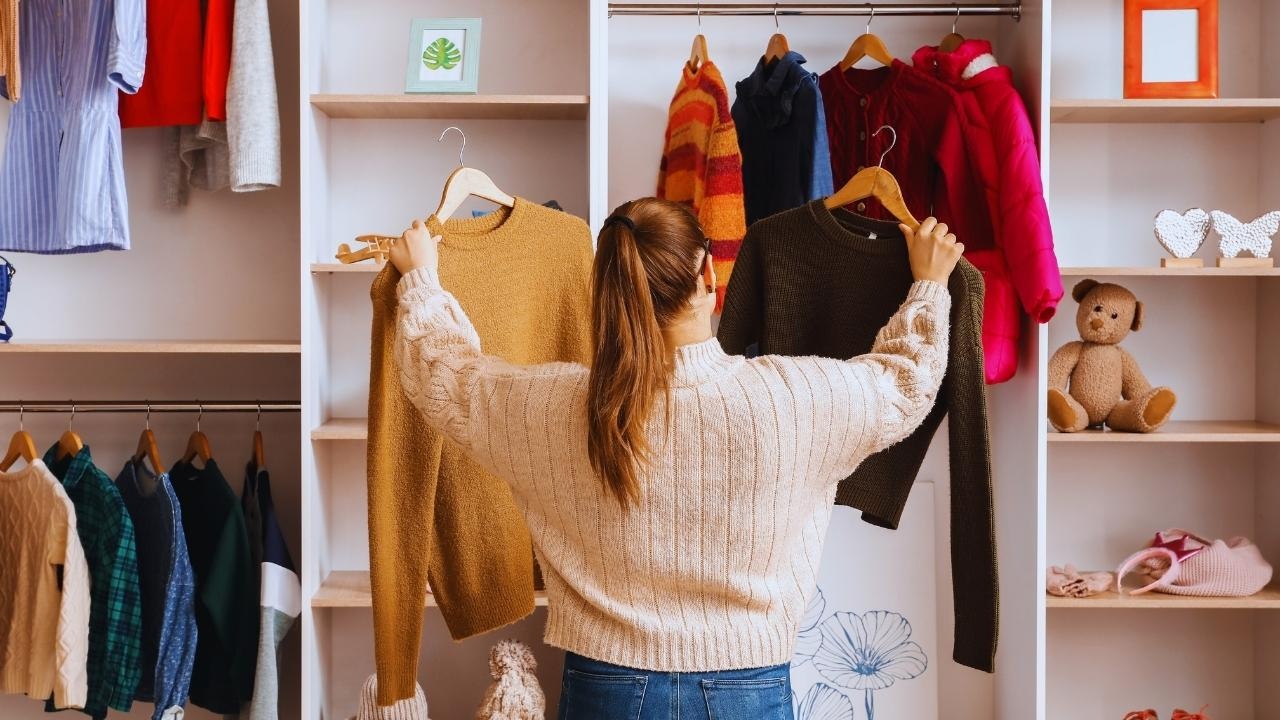
Winter fashion has always had its cycles, yet this season, one remarkable trend has captured the spotlight: winter wardrobe swaps. Once considered a niche movement, these swaps have suddenly become a highlight of urban and suburban lifestyle changes. The rapid rise of this trend can be attributed to a series of boutique pop-ups that have taken place across various cities, attracting crowds, influencers, and eco-conscious consumers searching for stylish and budget-friendly winter outfits.
These events transcend the usual sales or clearance scenarios. Instead, they offer curated experiences that fuse sustainability with personal style, community engagement, and innovative retail. Shoppers at these spaces actively participated, engaging in swaps, styling sessions, comparisons, and an immersive fashion community that promotes both individuality and responsible consumption.
This piece delves into the factors driving the winter wardrobe swap trend, the transformative role of pop-up boutiques, and what this shift reveals about evolving attitudes towards fashion, sustainability, and seasonal purchasing habits.
The Emergence of Winter Wardrobe Swaps
Wardrobe swaps are not a recent concept; however, their latest resurgence is unprecedented. Traditionally, these swaps were small gatherings featuring friends or local community members exchanging gently used winter items, such as coats and scarves.
This season, the pop-up events evolved these swaps into organized and engaging experiences, already gaining popularity. They provided curated selections catering to various age groups and styles. Some events included professional stylists who assisted participants in mixing and matching their swaps with existing wardrobe pieces, while others featured tailoring services to ensure a perfect fit.
Beyond aesthetics, these exchanges also reflect a lifestyle shift. Winter wardrobe swaps have merged affordability with creativity, allowing individuals to rediscover fashion without purchasing new items, particularly at a time when spending on fashion tends to escalate.
How Boutique Pop-Ups Are Transforming the Scene
Even though winter wardrobe swaps have existed for years, the recent series of boutique pop-ups has ushered in a more substantial lifestyle transformation. These events changed consumer perspectives on second-hand fashion by facilitating a sophisticated environment for swaps.
An Elevated Experience
In contrast to thrift stores, these pop-ups were aesthetically designed to mimic high-end retail shops. The use of thoughtful lighting and organized displays fostered an inviting atmosphere, making the swapping process feel upscale.
Personal Styling Options
Many pop-ups offered individual style consultations, allowing professional stylists to guide attendees in finding outfits that best fit their personal style and winter wardrobe needs. This elevated the swap experience to a desirable level.
Themed Events
Numerous pop-ups introduced weekly themes, such as monochrome winter and festive woolens, creating excitement and encouraging attendees to bring items that fit within the themes for more engaging swaps.
A Focus on Community
Participants found themselves engaging with like-minded individuals who shared similar fashion values, fostering a sense of community. Many described the experience as refreshing in comparison to traditional shopping, which often lacks meaningful interactions.
These boutique events effectively reframed the idea of swapping from a mere budget-friendly option to a stylish, socially acceptable lifestyle choice.
Sustainability at the Heart of the Movement
One of the key factors propelling the popularity of winter wardrobe swaps is the increasing awareness of sustainable living. With climate discussions gaining momentum worldwide, shoppers are more conscious of the environmental implications of fast fashion.
These pop-ups directly address this concern, promoting a message of smart consumption. A coat swapped means one less coat manufactured and one more garment extended in its lifecycle.
Minimizing Seasonal Waste
Winter fashion often results in significant levels of waste due to the quick turnover of heavy fabrics and knitted garments. By engaging in swaps, consumers curtail the amount of clothing discarded or left unused.
Reducing Carbon Footprints
The production of winter wear generally demands more resources. Swapping pre-owned items lessens the demand for new production, consequently decreasing the carbon impact of manufacturing.
Encouraging Slow Fashion
Winter wardrobe swaps illustrate that style can thrive without new purchases, emphasizing reusing and reimagining clothing.
This focus on sustainability has attracted not just budget-conscious buyers but also environmentally aware consumers seeking tangible lifestyle changes.
The Social Media Influence
No modern trend can thrive without social media influence. Winter wardrobe swaps gained substantial visibility as influencers and content creators shared their experiences at recent pop-ups.
Visual content showcasing “swap hauls” and “winter styling challenges” circulated widely across different platforms. The allure of discovering stylish winter wear at low costs resonated with various demographics, including students and professionals.
Influencers highlighted the personal touch in swapping, where each item has its history. Every swap feels intentional. This shift allowed participants to engage in fashion rather than just being consumers.
Such social dynamics propelled the trend from niche gatherings to a widespread winter phenomenon.
The Trend's Broad Appeal
Winter wardrobe swaps managed to capture interest across generational divides.
For Young Adults
Younger participants are drawn to the trend due to its affordability, uniqueness, and social appeal. They view swapping as trendy and expressive.
For Professionals
Working individuals appreciate practical winter updates without overspending, and many enjoy the styling and tailoring services available.
For Families
Parents find swaps ideal for sourcing children's winter attire, often needing frequent replacements due to growth. Swapping can significantly alleviate costs.
For Older Adults
Older participants enjoy the charm of vintage pieces and appreciate the sustainability aspects, resonating with their values.
Such multi-generational participation is a factor in establishing longevity for this trend beyond mere seasonal novelty.
Economic Influences on the Shift
Increasing seasonal expenditures have prompted a more prudent approach to winter purchases. The costs associated with winter clothing, attributed to thicker materials and manufacturing complexities, have led many to reassess their budgets:
-
Consumers are rethinking their winter spending plans
-
Retail prices have steadily risen
-
Shoppers seek stylish yet economical choices
Wardrobe swaps present an ideal solution—style without the financial strain. This combination of economic relief and the excitement of boutique pop-ups has fostered rapid growth for this trend.
How Pop-Ups Elevate the Concept
These pop-ups accomplished more than just replacing attire; they propelled a broader lifestyle transition beyond the realm of fashion.
Skill Development
Certain pop-ups included areas dedicated to mending, where volunteers assisted with small repairs. This not only helped participants but imparted skills in upcycling, reinforcing sustainable values.
Emotive Storytelling
Clothing racks occasionally featured narratives about previous owners, offering a personal touch and emotional connection to the garments.
Community Engagement
Mini-sessions on style layering, color matching, and winter fashion care enriched the experience and fostered a culture of learning.
This comprehensive approach redefined winter wardrobe swaps as culturally significant events rather than simple exchanges.
The Emotional Appeal of Swaps
Beyond cost and sustainability, winter wardrobe swaps engage emotional aspects often overlooked in typical shopping experiences.
The Joy of Discovery
Shoppers revel in the quest for unique items, with each swap feeling like a treasure hunt.
Guilt-Free Decluttering
Swapping enables individuals to part with items they no longer use, confident that they will find new appreciation.
Creative Opportunities
Assembling winter outfits from swapped pieces stimulates creative thinking and encourages experimentation.
Shared Experiences
Participants enjoy discussing their discoveries and the stories behind the clothing, contributing to a warm community atmosphere.
These emotional connections are key to the ongoing popularity of the trend.
Will the Movement Endure?
Given the enthusiasm surrounding recent pop-ups, winter wardrobe swaps are poised to remain a fixture in shopping culture. Their strength derives from their wide-ranging appeal: sustainability, economic options, creativity, community, and personal expression.
As cities embrace pop-ups, the movement may expand in multiple directions:
-
Permanent swap boutique establishments
-
Season-specific swap events
-
Collaborative efforts with sustainable fashion designers
-
Digital platforms for remote or app-based swapping
-
Themed festivals featuring workshops, music, and food
Winter wardrobe swaps are evolving into a lifestyle choice rather than a mere seasonal trend—driven largely by the boutique pop-ups initiating this change.
Conclusion
The rising popularity of winter wardrobe swaps after recent boutique pop-ups signifies a transformative moment in contemporary lifestyle trends. What began as a simple idea has flourished into a cultural phenomenon uniting style, sustainability, creativity, and community. The curated pop-ups infused glamour and excitement into swapping, elevating the experience to rival conventional shopping.
By reshaping perceptions of winter clothing consumption, these swaps lay the groundwork for a larger shift in fashion culture—one that celebrates individuality while minimizing waste. As more participants join, the movement strengthens, echoing a collective desire for conscious consumption in a world where fashion and sustainability can flourish together.
Disclaimer:
This article reflects current lifestyle trends, seasonal consumer behaviors, and emerging fashion movements. It should not be considered as financial, commercial, or professional fashion advice.