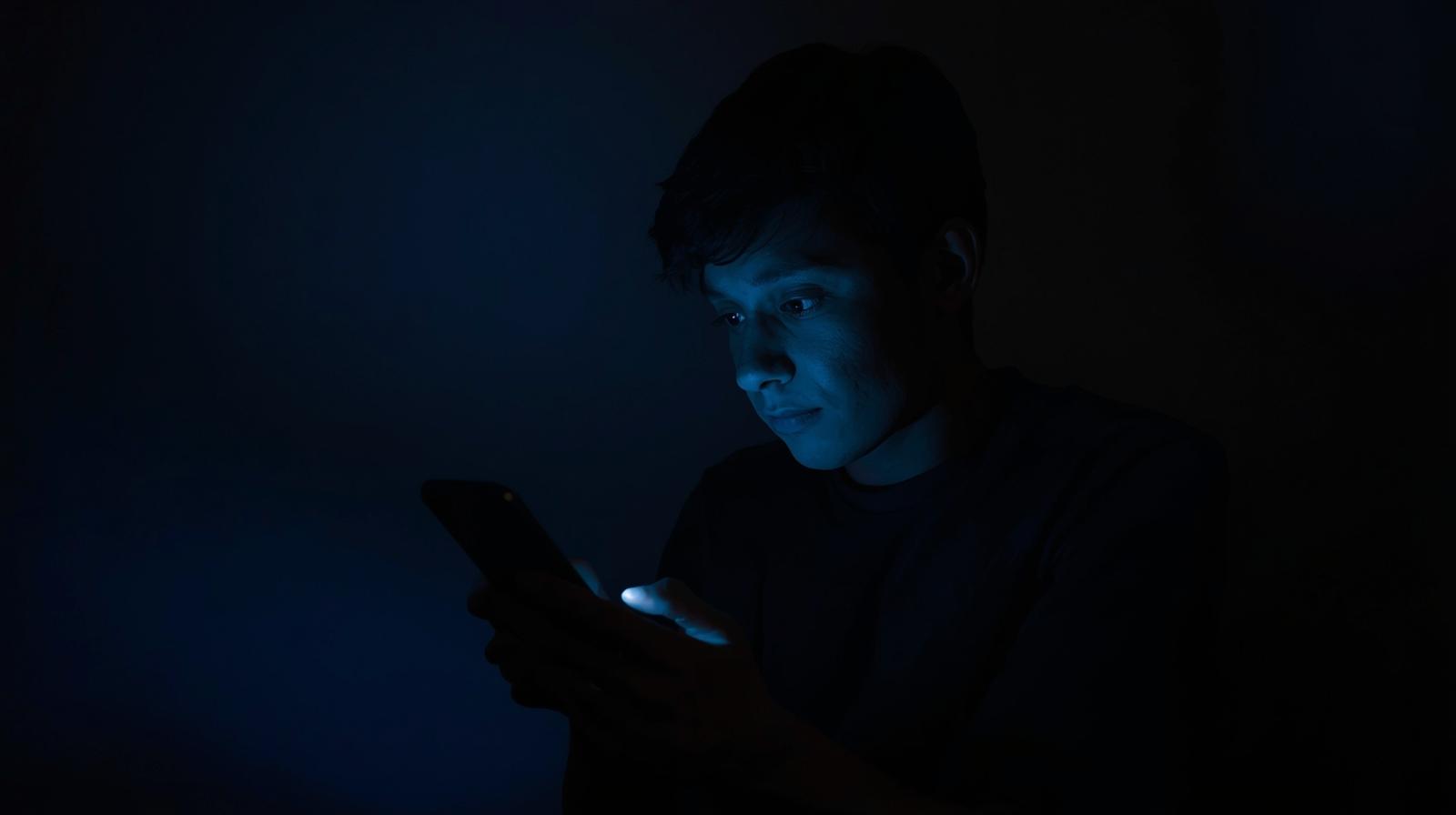
Why Screen Time Affects Your Sleep Quality
In today’s digital world, screens are everywhere — from smartphones and tablets to laptops and TVs. While these devices make life more convenient, they also have a hidden downside: too much screen time can disturb your sleep. If you often find it hard to fall asleep after scrolling on your phone, you’re not alone. Let’s understand how screen time affects your sleep and what you can do to improve it.
1. Blue Light Disrupts Your Natural Sleep Cycle
Screens emit blue light, a type of light that tricks your brain into thinking it’s daytime. This light blocks the release of melatonin, the hormone responsible for making you sleepy.
When melatonin levels drop, your body stays alert longer, making it harder to fall asleep or get deep, restful sleep.
Tip: Try to avoid screens at least 30–60 minutes before bedtime or use a blue light filter on your devices.
2. Digital Stimulation Keeps Your Mind Awake
Watching videos, playing games, or scrolling social media can make your brain active and alert, just when it should be winding down.
Exciting content keeps your mind engaged, increasing mental activity and delaying sleep. This makes it harder for your brain to relax when you finally put your device down.
Tip: Replace nighttime scrolling with calm activities — read a book, journal, or listen to soothing music.
3. Notifications and Alerts Interrupt Sleep
Even after falling asleep, constant phone vibrations, dings, or notifications can disrupt your sleep cycle.
These interruptions prevent you from reaching the deep sleep stages your body needs for full rest and recovery.
Tip: Turn your phone on “Do Not Disturb” mode or keep it away from your bed during the night.
4. Poor Sleep Quality Affects Health
Continuous screen exposure not only makes it harder to fall asleep but also reduces overall sleep quality.
Lack of good sleep can lead to:
-
Tiredness and irritability
-
Poor concentration and memory
-
Weight gain and weakened immunity
-
Increased risk of heart problems and anxiety
Tip: Aim for 7–8 hours of quality sleep each night and create a consistent bedtime routine.
5. How to Use Screens Wisely
You don’t need to give up your devices completely — just manage your screen time smartly:
-
Use “night mode” or blue light filters after sunset.
-
Keep your screen brightness low at night.
-
Avoid watching intense movies or using social media before bed.
-
Try screen-free zones, like your bedroom or dining area.
Final Thoughts
Your phone might be your favorite bedtime companion, but it could be the reason you wake up feeling tired. By limiting screen time, especially before bed, you can improve your sleep quality and wake up feeling refreshed and energetic. Remember — your mind needs rest just as much as your body does. So, put your screens to sleep before you do!