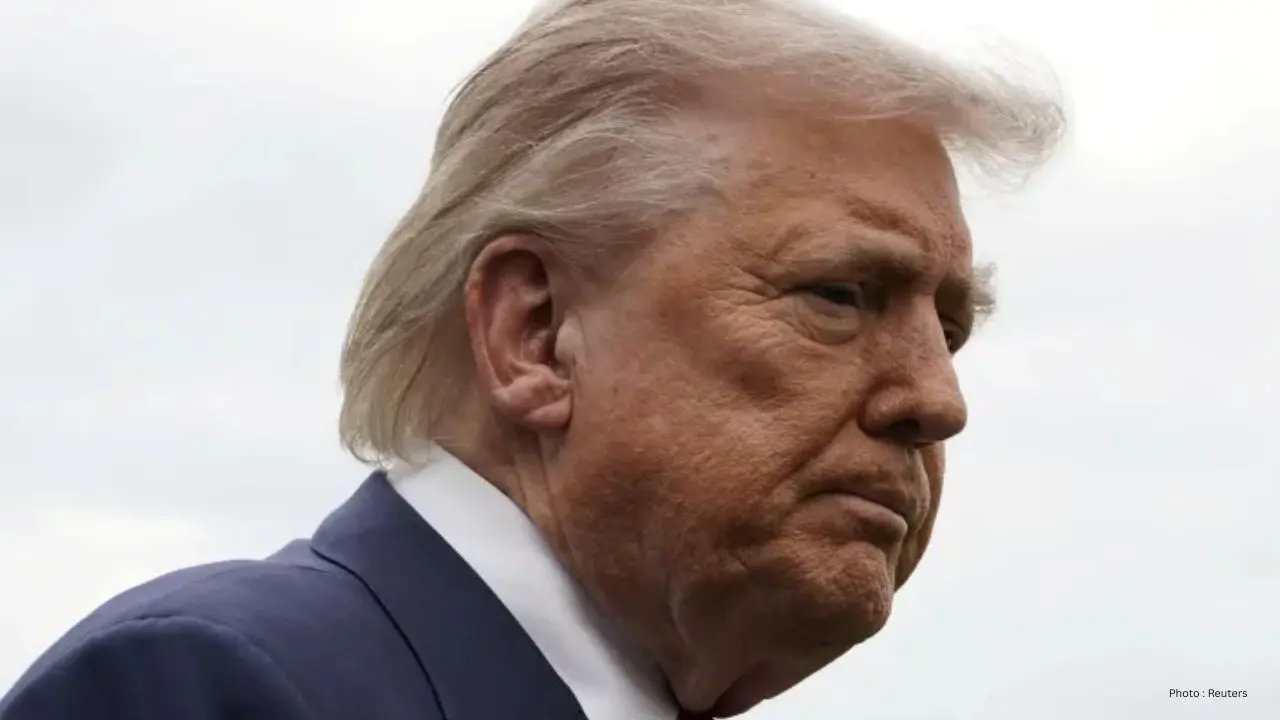
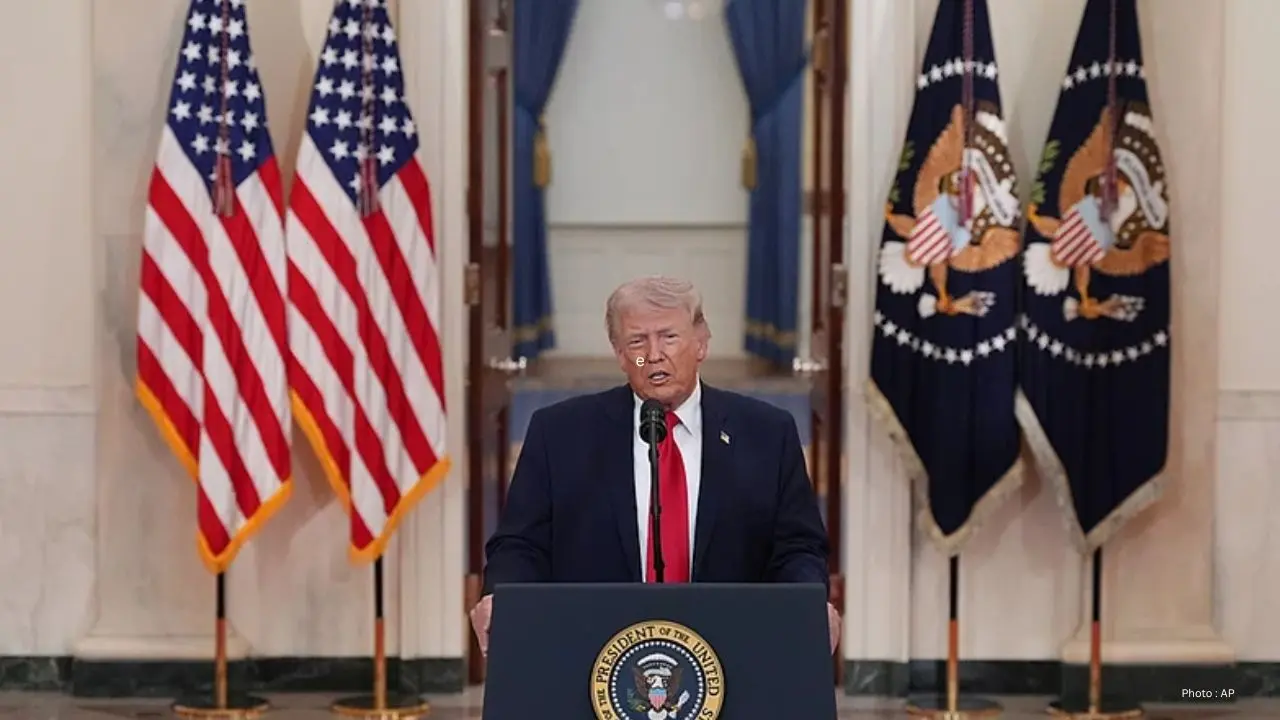
As preparations continue for a high-stakes summit between U.S. President Donald Trump and Chinese President Xi Jinping, analysts believe Beijing may enter the talks with several important advantages. The meeting is expected to focus heavily on trade tensions, technology restrictions, tariffs, Taiwan, and the growing competition between the world’s two largest economies. While both leaders are under pressure to protect national interests, many experts say China currently appears to hold a stronger negotiating position in several key areas.
One major reason is China’s increasing economic resilience despite years of trade tensions with the United States. Beijing has spent recent years reducing dependence on American markets by expanding trade partnerships across Asia, the Middle East, Africa, and Latin America. China has also strengthened economic ties through projects linked to the Belt and Road Initiative, helping it maintain influence even while facing Western restrictions and tariffs.
At the same time, the United States continues dealing with inflation concerns, political division, and pressure from businesses affected by trade uncertainty. American companies remain heavily connected to Chinese manufacturing and supply chains, especially in sectors such as electronics, pharmaceuticals, and consumer goods. Analysts say this dependence limits how aggressively Washington can escalate economic pressure without also hurting American businesses and consumers.
China also appears confident because of its growing technological and industrial capabilities. Although U.S. sanctions targeted advanced semiconductor exports and Chinese tech firms, Beijing accelerated efforts to build domestic technology industries. Chinese companies have expanded investment in artificial intelligence, electric vehicles, renewable energy, telecommunications, and advanced manufacturing. Some experts believe China is now better prepared to withstand future U.S. economic restrictions than it was during earlier trade conflicts.
Another advantage for Beijing is diplomatic positioning. China has increased its global influence by presenting itself as a stable economic partner while many countries remain concerned about uncertainty in U.S. politics. Beijing has recently strengthened relations with several nations in the Global South and expanded cooperation with countries involved in BRICS and regional trade partnerships. This wider diplomatic network gives China additional leverage during negotiations with Washington.
The summit also comes at a sensitive political time for President Trump. His administration faces pressure to appear tough on China while also avoiding economic instability ahead of important political and economic decisions in the United States. Analysts say Beijing understands these pressures and may attempt to use them strategically during negotiations.
Taiwan is expected to remain one of the most difficult issues during the talks. China continues increasing military and political pressure around Taiwan, while the United States maintains support for Taipei through military cooperation and strategic partnerships. Any disagreement over Taiwan could quickly increase tensions between the two global powers.
Trade policy will likely dominate much of the summit discussion. Trump has repeatedly criticized China over trade imbalances, intellectual property concerns, and industrial subsidies. However, China may enter negotiations believing time is on its side because global markets increasingly rely on Chinese manufacturing, rare earth minerals, and industrial exports.
Energy and global supply chains are also expected to play an important role in the discussions. China remains one of the world’s largest buyers of oil, natural gas, and industrial resources, giving Beijing major influence over international commodity markets. Ongoing conflicts and global economic uncertainty have further increased the importance of stable trade relationships.
Despite growing rivalry, both countries also have strong reasons to avoid a major escalation. Economic experts warn that a serious breakdown in U.S.-China relations could damage global markets, increase inflation, disrupt supply chains, and slow international economic growth. For this reason, many observers believe both Trump and Xi will attempt to present the summit as productive even if major disagreements remain unresolved.
The outcome of the meeting could significantly shape future relations between the United States and China, affecting trade, technology, security, and global diplomacy for years to come. While Washington still holds enormous military and economic power, Beijing’s expanding global influence and strategic preparation may give China a stronger position heading into the summit negotiations.