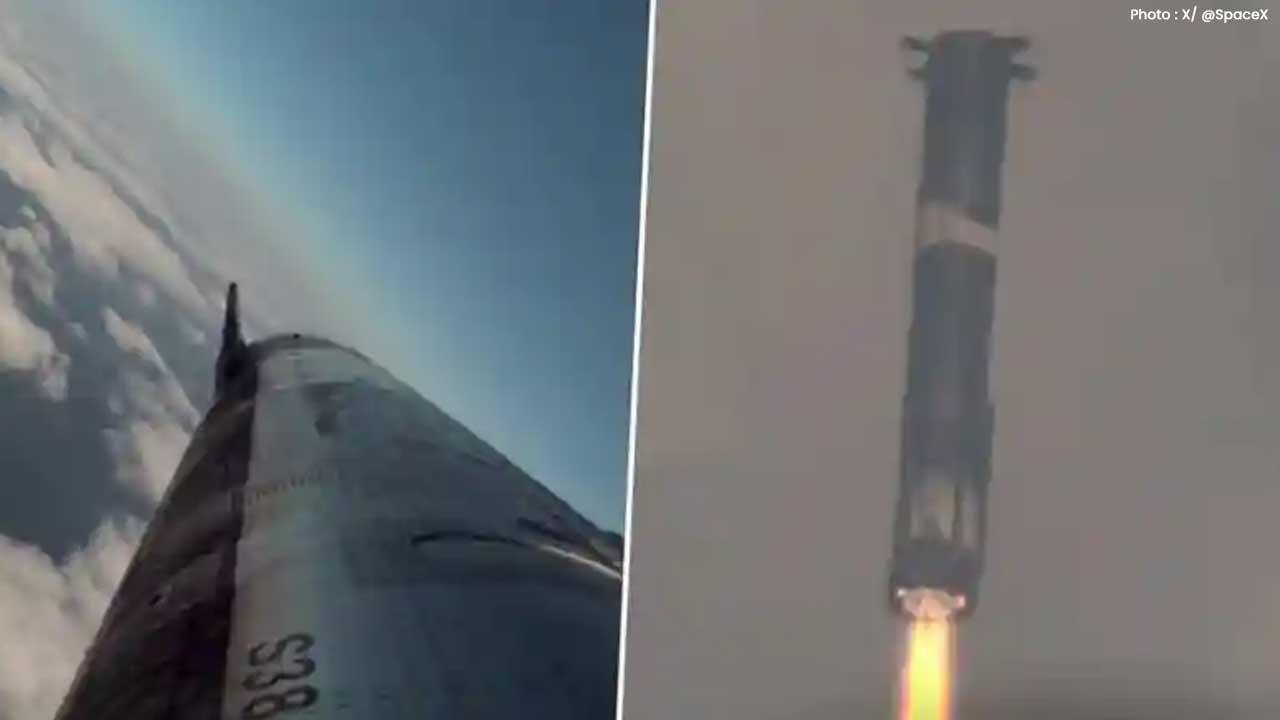
SpaceX, led by CEO Elon Musk, successfully conducted its 11th full-scale Starship test flight on Monday from Starbase, Texas. The Starship, the largest and most powerful rocket ever built, flew nearly half the globe while carrying mock satellites, continuing the company’s iterative testing program.
The rocket’s reusable booster separated as planned, making a controlled splashdown in the Gulf of Mexico. The spacecraft proceeded into space before descending toward the Indian Ocean. No components were recovered, consistent with the mission’s design.
“Hey, welcome back to Earth, Starship,” announced SpaceX employee Dan Huot, as the team celebrated the mission’s success.
Purpose of the Test Flight
This flight is a key step in SpaceX’s long-term plan to use Starship for human missions to Mars. The spacecraft is designed to transport astronauts and cargo across long distances, with NASA also planning to use it for lunar missions. Starship will ferry astronauts from lunar orbit to the moon’s surface and back, enabling sustainable moon exploration.
Unlike previous tests, Elon Musk observed this flight outside the standard Launch Control, calling it a “much more visceral” experience. The mission included enhanced spacecraft maneuvering tests over the Indian Ocean, simulating future controlled landings.
Satellite Deployment and Flight Duration
The Starship carried eight mock satellites to simulate Starlink satellite deployment, supporting SpaceX’s expansion of global satellite internet services. The flight lasted just over an hour, taking off from Starbase near the southern tip of Texas, close to the Mexican border.
This test was built on the success of the previous Starship flight in August, adding new navigation and booster control evaluations.
NASA’s Response
Sean Duffy, NASA’s acting administrator, praised the mission, calling it “another major step toward landing Americans on the moon’s south pole.” Starship’s success is critical for both SpaceX’s Mars ambitions and NASA’s lunar objectives, offering efficient, reusable transport between lunar orbit and the moon’s surface.
SpaceX Launch Site Upgrades
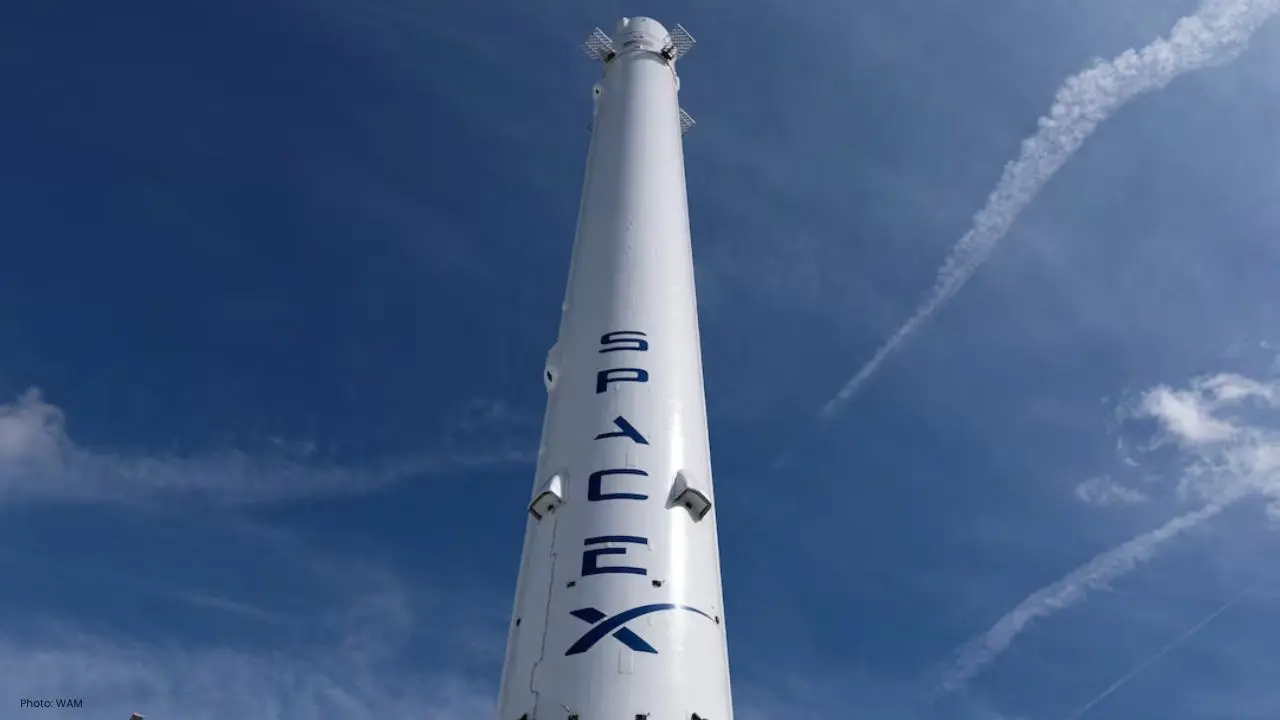
To support future Starship missions, SpaceX is upgrading its Cape Canaveral facilities to accommodate the massive rocket. These enhancements complement existing operations for the Falcon rockets, which continue to deliver astronauts and supplies to the International Space Station (ISS).
Significance of the 11th Flight
The 11th test flight demonstrates SpaceX’s steady progress in reusable rocket technology and deep-space exploration. The mission highlights Starship’s payload capacity, maneuvering capabilities, and readiness for human lunar and Martian missions. Each successful test brings interplanetary travel closer to reality while supporting NASA’s immediate lunar goals.