The World Health Organization has said that the risk of Ebola spreading remains high in affected local regions, but the possibility of a wider global outbreak is currently considered low. Health officials continue monitoring the situation closely as efforts intensify to contain the virus and prevent further infections in impacted areas.
According to the WHO, the current outbreak has raised serious concern at the local level because of the risk of transmission within communities and healthcare systems. However, international health experts believe strong surveillance, border monitoring, and rapid response measures have helped reduce the likelihood of large-scale international spread at this stage.
Ebola is a severe viral disease that spreads through direct contact with infected bodily fluids or contaminated materials. The illness can cause symptoms such as fever, weakness, vomiting, bleeding, and organ failure. Past outbreaks in Africa have shown how quickly the disease can spread if health systems are overwhelmed or preventive measures are delayed.
WHO officials said local health authorities are working with international organizations to strengthen testing, patient isolation, contact tracing, and medical treatment in affected regions. Vaccination campaigns and emergency response teams have also been deployed to help contain the outbreak and protect healthcare workers and nearby communities.
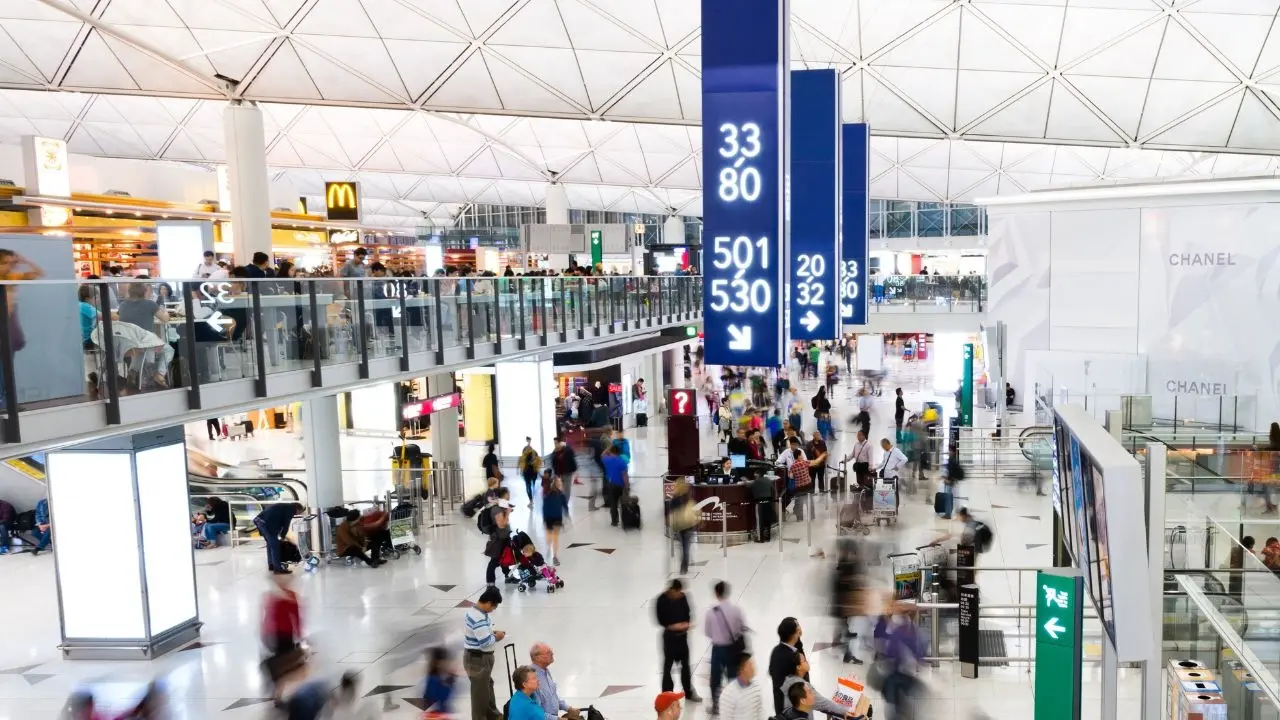
The organization emphasized that while the global risk remains low, countries should continue maintaining preparedness measures and monitoring travelers from affected regions. Health experts warned that rapid detection and immediate isolation of suspected cases remain critical in preventing cross-border transmission.
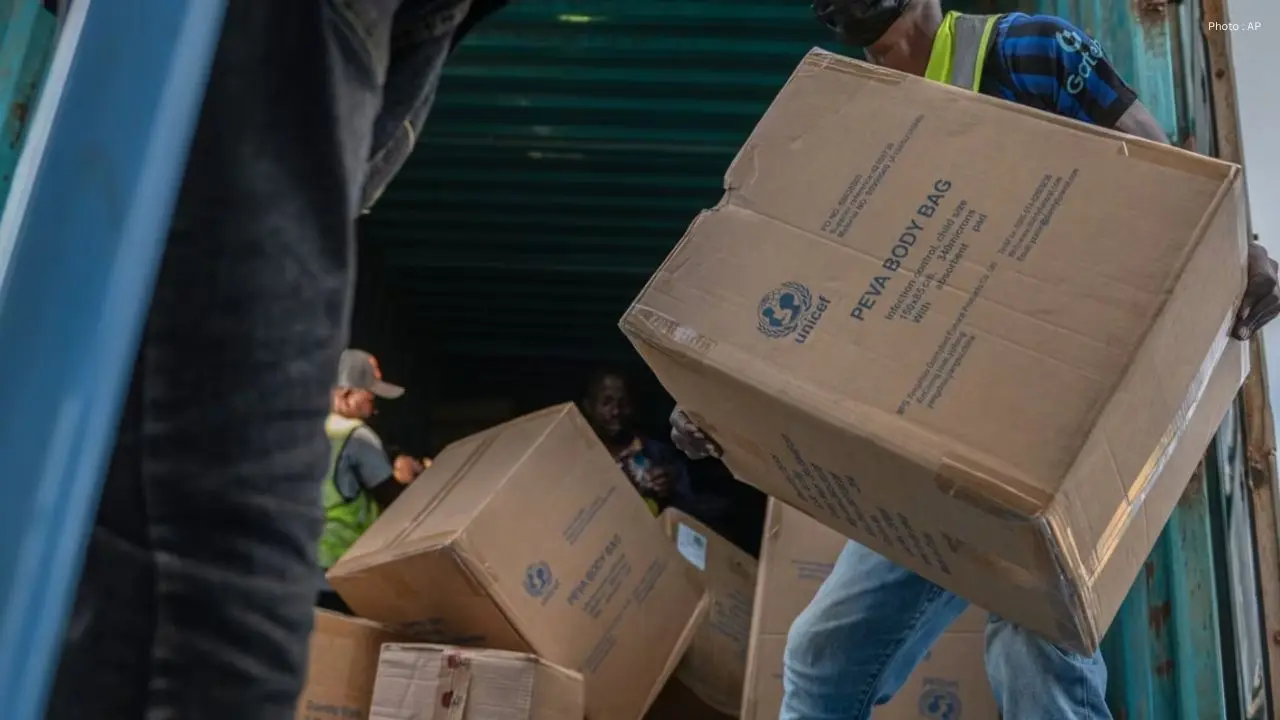
Several governments and international health agencies are coordinating support for outbreak response efforts, including medical supplies, funding, laboratory support, and emergency healthcare assistance. Public health officials are also focusing on community awareness campaigns to reduce misinformation and encourage early reporting of symptoms.
Experts noted that lessons learned from previous Ebola outbreaks and the COVID-19 pandemic have improved international preparedness and response systems. Faster communication, stronger surveillance networks, and better coordination between countries are helping health authorities react more quickly to emerging outbreaks.
Despite reassurances about the low global risk, WHO officials stressed that the situation remains serious in affected areas and requires continued international attention. The organization urged governments to remain alert and support containment efforts to prevent the outbreak from worsening.
Health authorities are expected to continue releasing updates as investigations, treatment operations, and monitoring efforts move forward in the coming weeks.