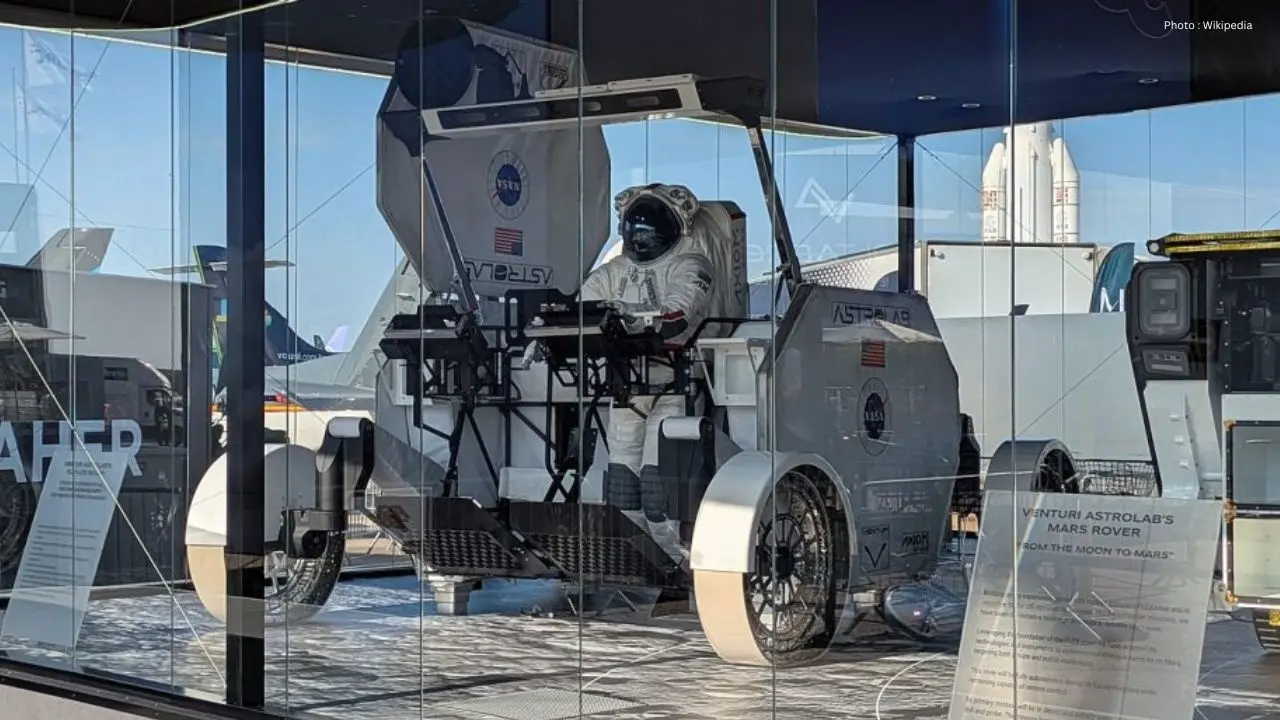
US-based space technology company Astrolab has announced that its FLIP rover will carry four scientific instruments developed by NASA to the Moon during a future lunar mission. The project marks another important step in international efforts to expand scientific exploration and long-term human activity on the lunar surface.
The FLIP rover, designed for flexible lunar transportation and scientific operations, is expected to support NASA’s broader Moon exploration goals under the Artemis program. According to Astrolab, the rover will help transport scientific equipment, collect data, and assist future astronauts and robotic missions operating on the Moon.
NASA’s instruments aboard the rover are expected to focus on studying lunar soil, surface conditions, radiation levels, and environmental characteristics that could affect future human missions. Scientists believe these experiments may provide important information for long-term lunar exploration and future plans involving permanent infrastructure on the Moon.
Astrolab officials said the FLIP rover is being developed with advanced mobility systems capable of handling difficult lunar terrain, including rocky surfaces and extreme environmental conditions. Engineers are designing the rover to operate in harsh temperatures and low-gravity conditions while carrying scientific payloads and equipment over large distances.
The mission reflects increasing cooperation between NASA and private space companies as the United States continues expanding commercial partnerships in space exploration. In recent years, NASA has relied more heavily on private firms for transportation systems, lunar technology, cargo delivery, and spacecraft development.
Experts say robotic missions like the FLIP rover are important because they help prepare for future crewed lunar missions. Rovers can study landing zones, identify resources, test equipment, and gather scientific data before astronauts arrive. Such technology is considered critical for future Moon bases and possible missions to Mars.
The Artemis program aims to return astronauts to the Moon and eventually establish sustainable long-term exploration systems. NASA officials believe commercial partnerships will reduce costs and accelerate technological development needed for deep-space missions.
Astrolab has also stated that its rover technology may eventually support commercial activities on the Moon, including cargo transport, infrastructure support, and scientific research for international partners. The company is among several private firms competing to become major players in the rapidly growing lunar economy.
Space analysts say the announcement highlights how lunar exploration is increasingly shifting from government-only programs toward partnerships involving private industry and international cooperation. As more missions are planned over the coming years, robotic systems like the FLIP rover are expected to play a major role in shaping the future of Moon exploration.