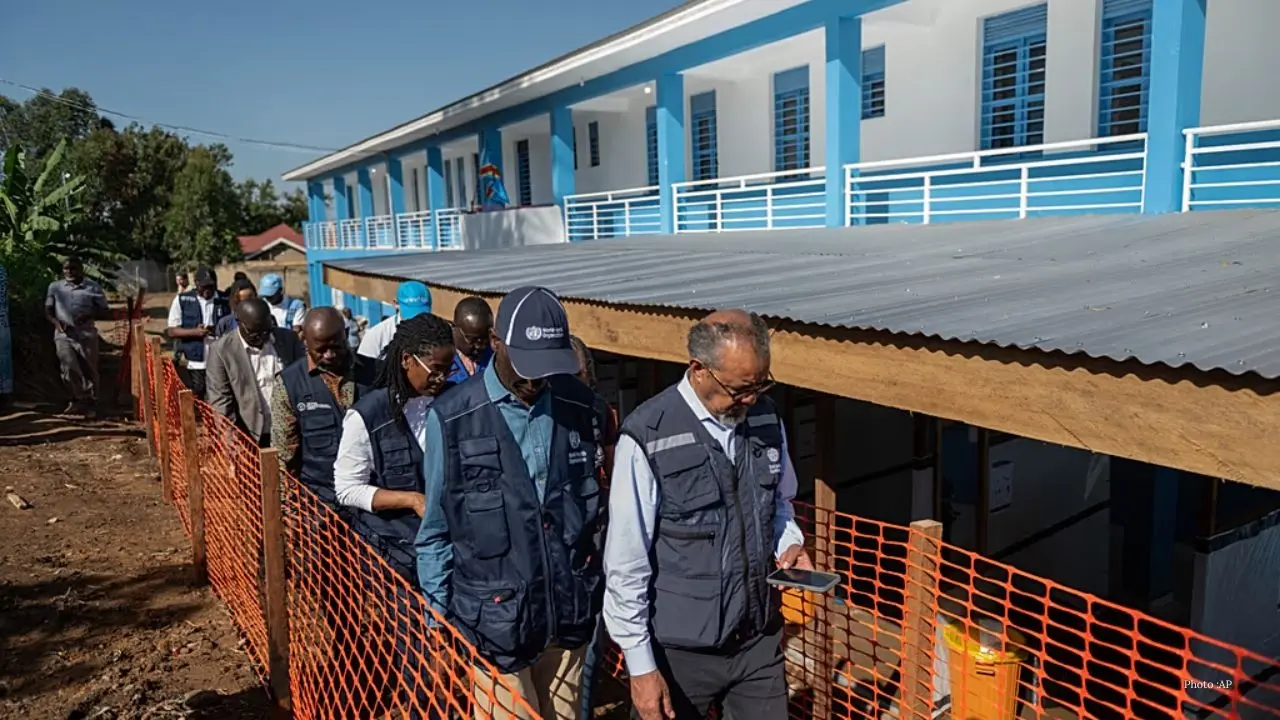
The World Health Organization (WHO) has significantly revised the number of Ebola cases reported in the Democratic Republic of Congo (DRC), reducing the total from more than 1,000 suspected and confirmed cases to just 116. The adjustment follows a comprehensive review of surveillance records, laboratory testing results, and field investigations carried out by health authorities and international experts.
According to WHO officials, the revision was necessary after investigators identified inconsistencies in earlier reporting data collected during the outbreak response. Many cases that were initially classified as suspected Ebola infections were later found to be unrelated illnesses after further testing and verification. The updated figures reflect a more accurate assessment of the outbreak and provide a clearer picture of the actual scale of the disease.
Health experts explained that disease outbreaks in remote and conflict-affected regions can create significant challenges for data collection. In the early stages of an outbreak, health agencies often report suspected cases to ensure a rapid response and prevent further spread of infection. As additional laboratory results become available, authorities regularly update case numbers to distinguish confirmed infections from other diseases that may show similar symptoms.
The Democratic Republic of Congo has faced multiple Ebola outbreaks over the past several years, making rapid surveillance and response systems essential. Ebola is a severe viral disease that can spread through direct contact with infected bodily fluids and has historically caused high mortality rates in affected communities. Early detection, patient isolation, contact tracing, and vaccination campaigns remain the most effective tools for controlling outbreaks.
WHO emphasized that the revised numbers should not be interpreted as a sign that the outbreak response was unsuccessful. Instead, officials described the adjustment as evidence that monitoring systems and verification processes are working correctly. Accurate data allows health authorities to allocate resources more effectively and helps governments and international organizations make informed public health decisions.
Despite the lower case count, health teams continue to monitor affected areas closely. Surveillance efforts remain active, and emergency response teams are maintaining contact-tracing operations to ensure that any new infections are quickly identified. Vaccination programs and community awareness campaigns are also continuing in regions considered at risk.
Public health specialists noted that large revisions in outbreak figures are uncommon but not unprecedented. During rapidly evolving health emergencies, data often changes as investigations progress and more information becomes available. Transparency in reporting is considered a key part of maintaining public trust and ensuring that response efforts remain focused on verified information.
The updated Ebola figures may ease some concerns about the scale of the outbreak, but health authorities warn that the disease remains a serious threat. WHO and Congolese health officials have urged communities to continue following public health guidance and to report suspected cases immediately. International support for surveillance, medical care, and prevention efforts is expected to continue until the outbreak is fully contained.
The revised count highlights the importance of accurate disease tracking during public health emergencies. While the number of confirmed cases is now much lower than previously reported, officials stress that continued vigilance is necessary to prevent new infections and protect vulnerable communities across the Democratic Republic of Congo.