Why Currency Planning Matters Before You Travel
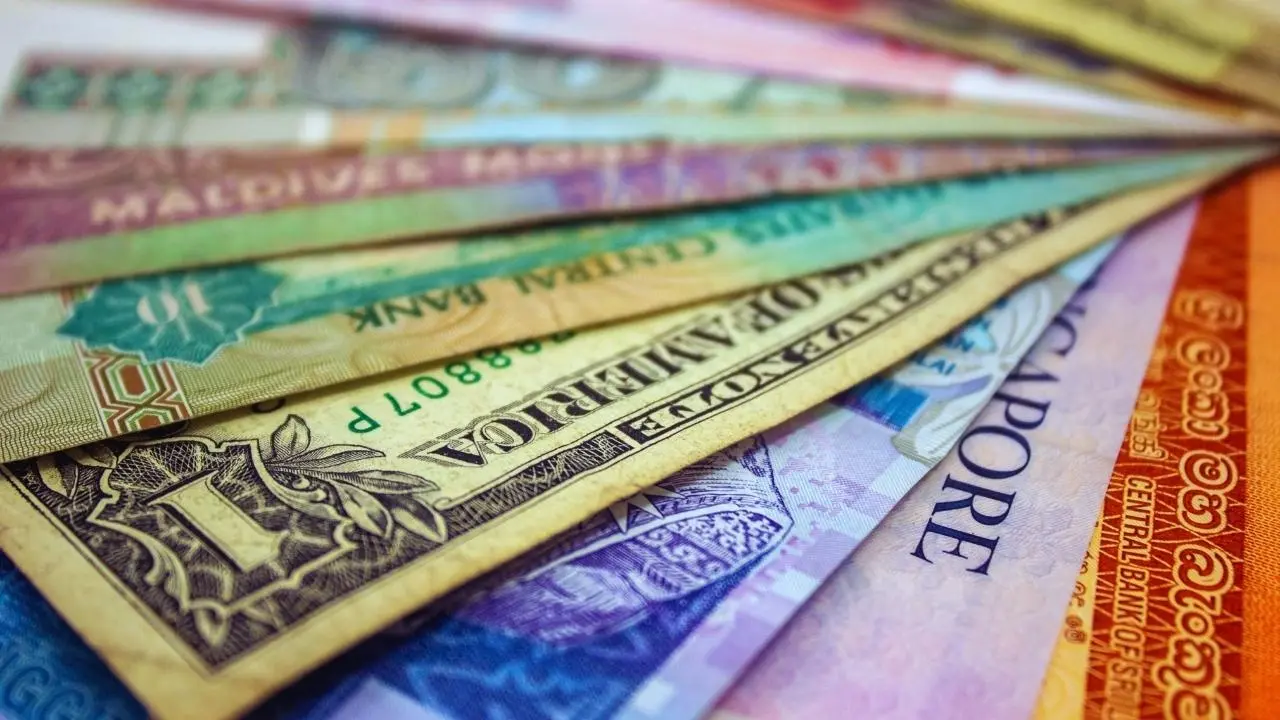
Issues related to money are among the most frequently encountered obstacles while traveling. A poor exchange rate or an unanticipated fee can throw even the best itineraries off course. Traveling internationally means engaging with unfamiliar currencies and banking systems.
By planning ahead for currency exchange, you can help ensure that your travels go smoothly:
-
Maintain control over your spending
-
Steer clear of excessive conversion fees
-
Access funds easily in emergencies
-
Enjoy your trip without constant financial worries
By grasping the mechanics of payment systems overseas, you can immerse yourself fully in the experience rather than getting bogged down by financial concerns.
The Basics of Currency Exchange
Understanding Exchange Rates
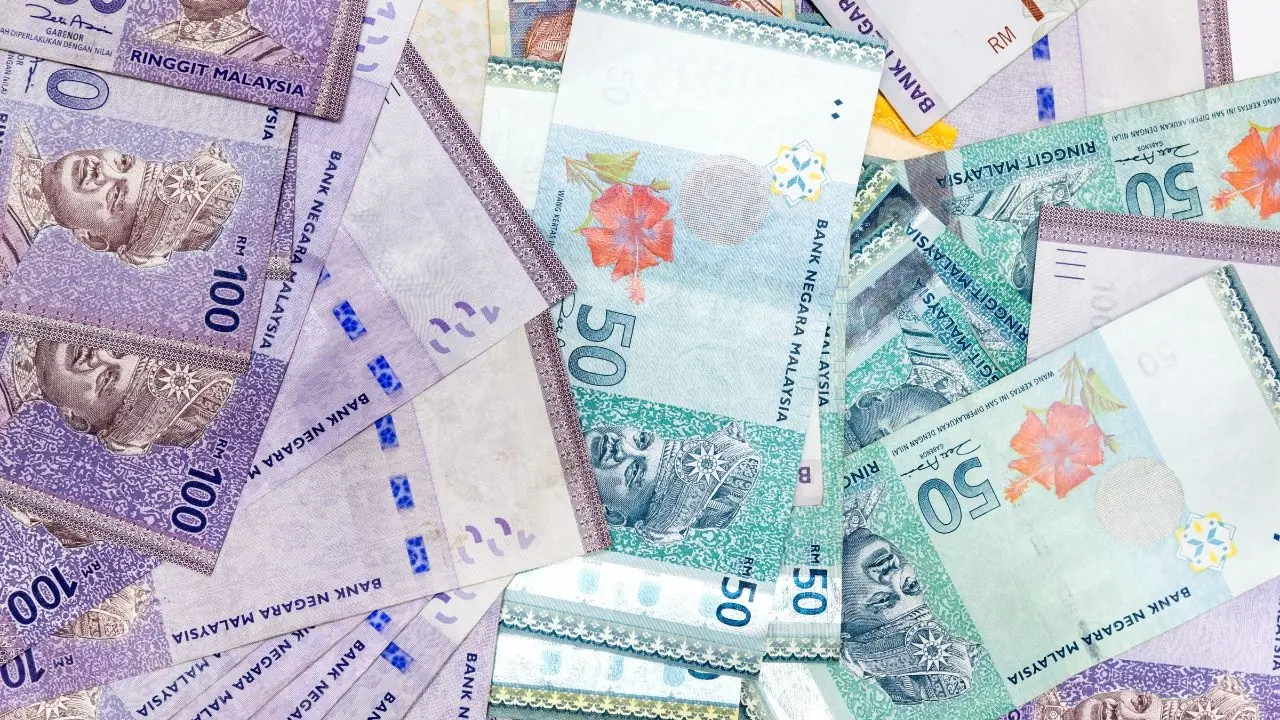
An exchange rate decides how much foreign currency you can obtain when exchanging your home currency. These rates change every day due to global market factors.
Be aware that the online rates represent the interbank rate; what you actually receive will often be slightly less due to margins added by banks and exchange services.
Why Local Rates Differ
Exchange rates can differ based on the location of the transaction:
-
Banks usually provide favorable rates
-
Airport exchange services tend to have the least favorable rates
-
Hotels may charge high fees for convenience
-
Local currency exchange offices can vary widely in their rates
Remember, convenience often comes at a premium.
When and Where to Exchange Currency
Exchanging Currency Before You Depart
It’s wise to exchange a small amount before leaving home, which can cover initial expenses like transport or food. However, exchanging large sums may not be the best idea due to limited competition.
Utilizing Banks and Licensed Exchange Services
Banks and registered currency exchange providers generally offer safe transactions and clearer pricing, making them ideal for significant exchanges.
Steer clear of unregulated street exchangers, as they pose a higher risk of fraud.
Airport Exchanges: Use as a Last Resort
While airport exchanges are convenient, they can be quite expensive. Use them sparingly for small amounts in emergencies.
Using Credit and Debit Cards Abroad
Card Acceptance Around the World
Though cards are accepted in many locations, some areas still operate predominantly on cash. Always ensure you have multiple forms of payment.
Understanding Foreign Transaction Fees
Many banks impose foreign transaction fees, which can range from 1% to 4% per transaction on:
Card purchases
ATM withdrawals
Foreign online payments
Make sure to check your bank’s fee structure before heading abroad.
Avoid the Dynamic Currency Conversion Trap
Some merchants may offer to charge you in your home currency, which can seem convenient but usually results in unfavorable exchange rates.
Opt to pay in local currency for better conversion rates.
ATM Withdrawals While Traveling
Benefits of ATMs
Withdrawing cash from international ATMs often grants better rates than currency counters. They are widely accessible in major cities.
Be Aware of Hidden Costs
When using ATMs, keep an eye out for:
To minimize fees, make larger withdrawals rather than numerous smaller ones.
Notify Your Bank Before Traveling
Banks may block transactions that appear suspicious. Alerting them of your travel plans lowers the risk of your card being blocked.
The Rise of Digital Payments and Mobile Wallets
Embracing Cashless Transactions
Digital payment methods are gaining popularity worldwide. Mobile wallets and contactless options are widespread in urban zones and tourist locales.
However, digital acceptance may vary by region.
Prepare for Internet Dependence
Digital transactions rely heavily on stable internet and battery life. Always have a backup option, like cash or a physical card, in case of connectivity issues.
Handling Multiple Currencies During Your Journey
Traveling in Multiple Regions
For trips covering various countries, managing several currencies can become complex. Only carry what you need, exchanging gradually instead of all at once.
Strategies for Currency Leftovers
Avoid large exchanges towards the end of your trip, as leftover currency might be converted back at unfavorable rates.
Using any remaining funds for airport purchases can help mitigate losses.
Security Best Practices for Handling Money Abroad
Limit Cash Carrying
Carrying excessive cash raises the risk of loss. It’s best to keep cash distributed across various places like bags or hotel safes.
Utilize RFID-Blocking Wallets
To protect against card skimming and contactless thefts, consider using RFID-blocking wallets.
Regular Transaction Monitoring
Continuously track your bank statements and transaction alerts. Prompt reporting of any suspicious activities can aid in recovery.
Currency Exchange in Emergencies
Be Prepared for the Unexpected
Sudden emergencies, extended stays, or lost belongings can create immediate currency needs. It helps to have:
Quick Cash Transfers for Emergencies
In cases of urgent financial need, international money transfer services can help you receive funds swiftly. Familiarize yourself with available options before traveling.
Cultural Differences in Payments
Understanding Tipping Norms
Tipping customs can vary considerably. In certain countries, tipping is customary, while in others, it may be frowned upon.
Knowing local practices helps avoid awkward situations.
Cash and Card Cultural Preferences
Some cultures prefer cash for personal privacy or tradition, while others are heavily inclined towards digital payments. Adapting to local practices facilitates smoother transactions.
How Exchange Rates Influence Travel Budgets
Keep Track of Daily Fluctuations
Exchange rates can shift throughout the day. Significant expenses, like hotel stays or shopping, can be greatly impacted by these fluctuations.
The Psychological Overspending Effect
Travelers may feel that foreign currency is less 'real', leading to overspending. Keeping an eye on conversions helps maintain financial discipline.
Common Travel Mistakes to Avoid
Exchanging All Your Money at Once
Rates can vary by location and time. Gradual exchanges might yield better overall value.
Not Informing Your Bank
Failing to notify banks about travel plans may result in blocked cards at crucial moments.
Relying on a Single Payment Method
Having at least two cards and some cash is wise in order to prevent financial constraints.
Creating an Effective Payment Plan Ahead of Travel
Your Pre-Travel Checklist
In preparation for travel, remember to:
Check current exchange rates
Familiarize yourself with bank fees
Notify your bank about your travel dates
Set spending alerts
Arrange for backup payment options
A little foresight can save you from significant inconveniences.
Final Thoughts: Smart Currency Management Enhances Travel Enjoyment
Currency exchange and international payments are vital components of effective travel planning. Understanding exchange rates, avoiding hidden fees, and ensuring backup options contribute to seamless journeys.
When you grasp how money flows across borders, you can travel confidently—free to enjoy and explore without financial stress.
Disclaimer:
This article provides informational content. Currency regulations and fees vary globally, so it's advisable to consult your bank or official sources for the latest updates before your trip.