The growing conflict in West Asia has raised serious questions about whether lasting peace in the region is still possible. After months of military strikes, failed negotiations, and rising political tensions, many experts now believe the region is facing an “irreconcilable impasse” where neither side is willing to compromise enough to end the crisis. The continuing war involving Iran, Israel, the United States, and several regional groups has created one of the most unstable periods in the Middle East in recent years.
The conflict intensified after joint US and Israeli military operations targeted Iranian facilities earlier this year. Iran responded with missile attacks, drone operations, and increased regional pressure through allied armed groups. Since then, diplomatic efforts involving international mediators, Gulf countries, and global organizations have repeatedly failed to produce a long-term agreement. Analysts say both sides remain deeply divided on key issues including Iran’s nuclear program, sanctions, regional security, and military presence in the Gulf region.
Several rounds of peace talks held in recent months ended without major progress. Reports suggest the United States demanded stronger restrictions on Iran’s nuclear and missile programs, while Iran insisted on the removal of sanctions and an end to military pressure before accepting broader conditions. These disagreements have created a diplomatic deadlock that experts describe as increasingly difficult to resolve
The situation has also become more dangerous because of growing military activity across the region. Naval blockades, missile strikes, drone attacks, and cyber operations have expanded tensions beyond direct battlefield areas. The Strait of Hormuz, one of the world’s most important oil shipping routes, remains under heavy security pressure as fears of wider conflict continue to affect global energy markets. Oil prices have risen sharply during the crisis, increasing inflation concerns worldwide.
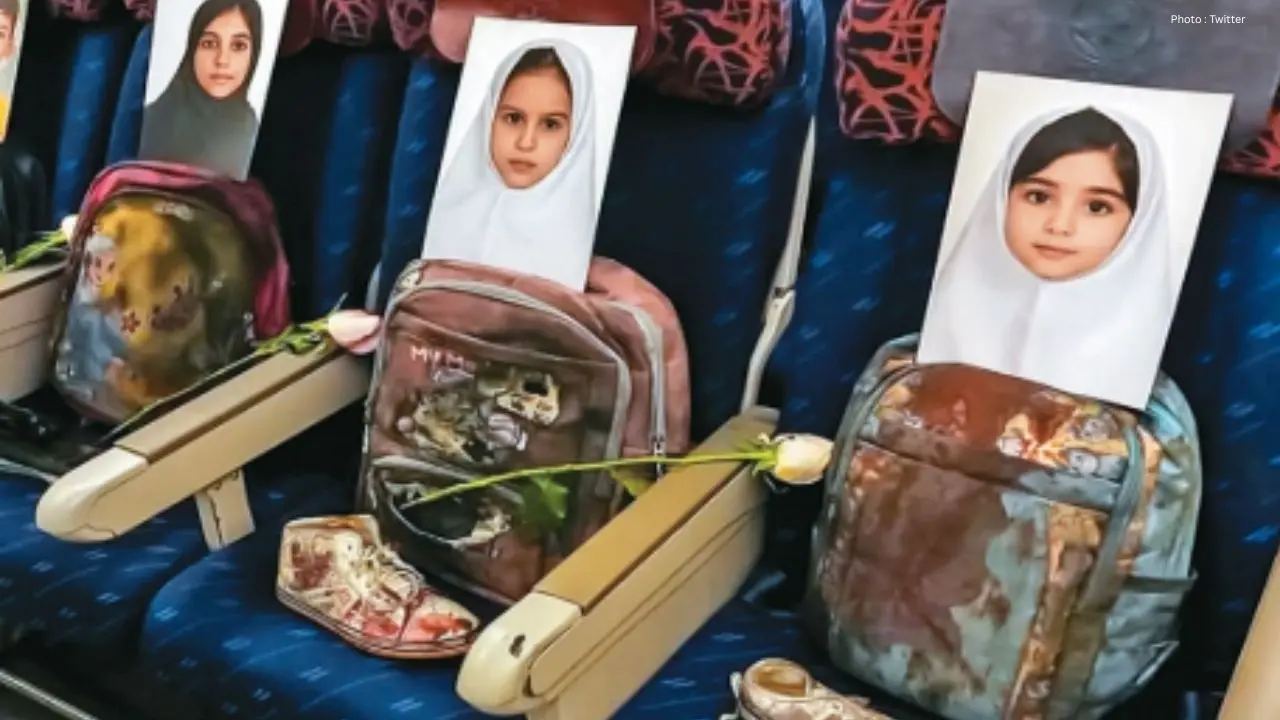
Regional countries are also struggling to manage the consequences of the conflict. Gulf monarchies such as Saudi Arabia, Qatar, the United Arab Emirates, and Bahrain are trying to balance their security ties with the United States while avoiding direct confrontation with Iran. At the same time, humanitarian organizations warn that civilians across several parts of West Asia are facing growing hardships because of damaged infrastructure, displacement, and economic instability.
International organizations including the United Nations have repeatedly called for restraint and renewed diplomacy. UN Secretary-General António Guterres recently warned that the region risks moving toward a wider and more destructive conflict if diplomatic channels completely fail. However, despite these warnings, political trust between the main sides remains extremely weak.
Experts believe one of the biggest problems is that all sides now see the conflict as connected to long-term security and political survival. Israel views Iran’s regional influence and nuclear ambitions as a major threat, while Iran believes Western military pressure is aimed at weakening its position in the Middle East. Meanwhile, the United States continues to support military and economic pressure strategies while also publicly calling for negotiations. These competing goals have made compromise extremely difficult.
The war has also exposed divisions inside major countries involved in the crisis. In the United States, lawmakers continue debating the financial cost and legal authority behind military operations against Iran. In Israel and Iran, domestic political pressure has also increased as citizens face economic difficulties and security fears linked to the ongoing conflict.
Many political analysts now fear that the region may enter a long period of instability instead of reaching a quick peace agreement. Some experts compare the current situation to previous prolonged Middle East conflicts where temporary ceasefires failed to solve deeper political disputes. Without major diplomatic breakthroughs, the current tensions could continue affecting global security, energy markets, and regional stability for months or even years.
As fighting, political distrust, and economic pressure continue to grow, the hope for lasting peace in West Asia appears increasingly uncertain. While international leaders continue calling for dialogue and diplomacy, the region remains trapped in a dangerous cycle of conflict where peace still looks more like a distant possibility than an immediate reality.