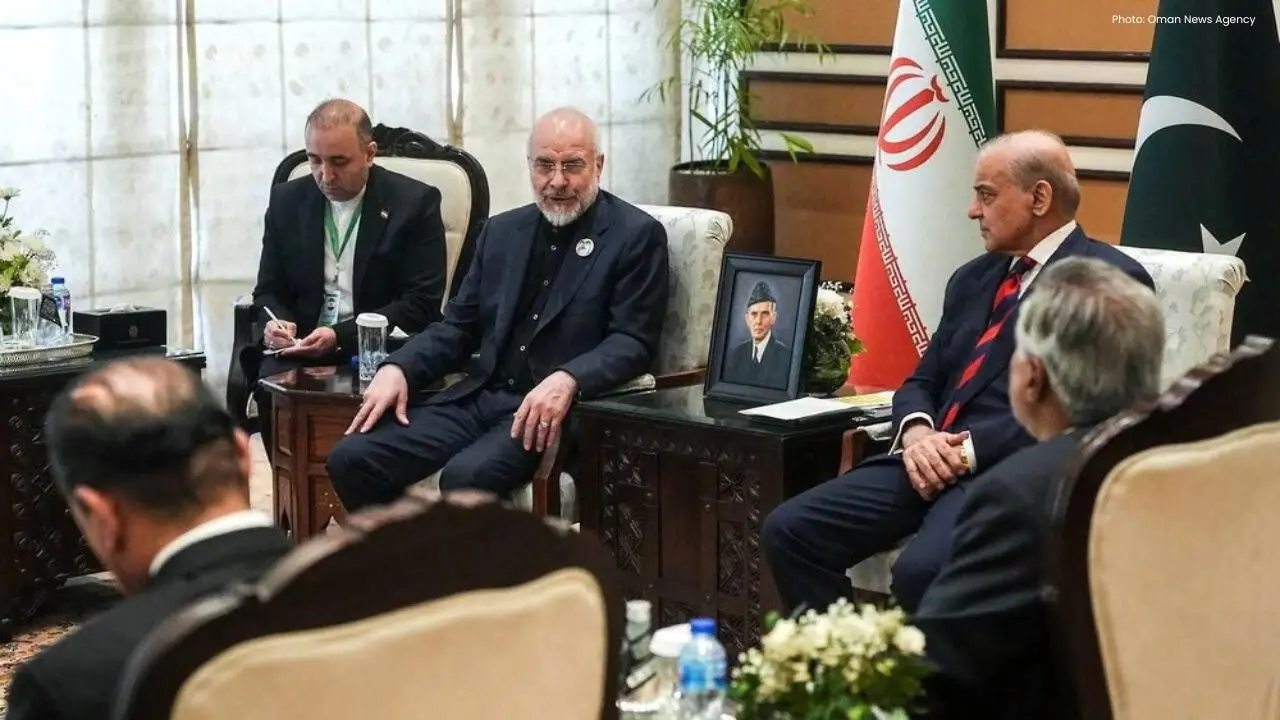
The conflict in West Asia has now entered its 60th day without a clear military or political victory for any side, raising fears of a longer regional crisis with serious global consequences. The war, involving the United States, Israel, Iran, and several regional groups, has already caused major destruction, economic instability, and growing diplomatic tensions across the Middle East. Despite repeated military operations and international pressure, both sides continue to remain locked in a dangerous standoff.
The conflict officially began on February 28, 2026, after joint US and Israeli airstrikes targeted Iranian military and government facilities. Iran responded with large-scale missile and drone attacks against Israeli targets, US military bases, and strategic locations across the Gulf region. Since then, the war has expanded into a wider regional conflict involving attacks on shipping routes, energy infrastructure, and allied armed groups across West Asia.
Although a temporary ceasefire was announced in early April through diplomatic mediation efforts, tensions have remained extremely high. Reports indicate that both sides have accused each other of violating ceasefire conditions while negotiations continue to struggle. The United States has maintained pressure on Iran through naval operations and sanctions, while Tehran has continued to resist demands related to its nuclear program and regional influence.
One of the biggest impacts of the conflict has been on global energy markets. The Strait of Hormuz, a key route for international oil and gas shipments, has faced repeated disruptions during the crisis. Oil prices have risen sharply in recent weeks, increasing fuel costs and inflation concerns worldwide. Energy experts warn that continued instability in the Gulf region could further damage global trade and economic recovery.
The war has also created major political pressure inside the United States. Under the War Powers Resolution, President Donald Trump faces growing criticism from lawmakers who argue that Congress should approve any continued military involvement in Iran. Several Democratic lawmakers and a small number of Republicans have questioned the administration’s legal authority to continue operations without formal congressional approval. However, the White House argues that the current ceasefire effectively paused the legal deadline connected to the conflict.
At the same time, the financial cost of the war continues to rise. The Pentagon recently confirmed that the conflict has already cost the United States around $25 billion in military spending. Much of the money has reportedly been used for combat operations, missile defense systems, military deployments, and replacement of damaged equipment. Critics say the conflict is putting additional pressure on American taxpayers at a time of rising fuel prices and economic uncertainty.
Regional countries are also facing growing uncertainty. Gulf monarchies such as Saudi Arabia, Qatar, the United Arab Emirates, and Bahrain are attempting to balance security cooperation with the United States while avoiding direct confrontation with Iran. The conflict has increased fears about regional instability, attacks on infrastructure, and possible disruptions to oil exports.
Humanitarian concerns are also increasing across the region. Thousands of people have reportedly been killed or displaced since the conflict began, while attacks on civilian areas and infrastructure have damaged hospitals, schools, ports, and transportation systems. International organizations and the United Nations have repeatedly called for diplomacy and warned that there is no military solution to the crisis.
Military analysts believe the war has now reached a difficult stage where neither side can claim complete success. While the United States and Israel have targeted Iranian military capabilities, Iran has still managed to maintain regional influence and continue pressure through missile strikes and allied groups. Experts describe the situation as a “war without victory,” where all sides are suffering economic, political, and strategic losses without achieving their main objectives.
As the conflict enters its third month, uncertainty continues over what happens next. Diplomatic talks remain fragile, military operations have not fully stopped, and political divisions inside several countries are becoming deeper. The coming weeks are expected to be critical for deciding whether West Asia moves toward wider war, a longer stalemate, or a possible negotiated settlement.