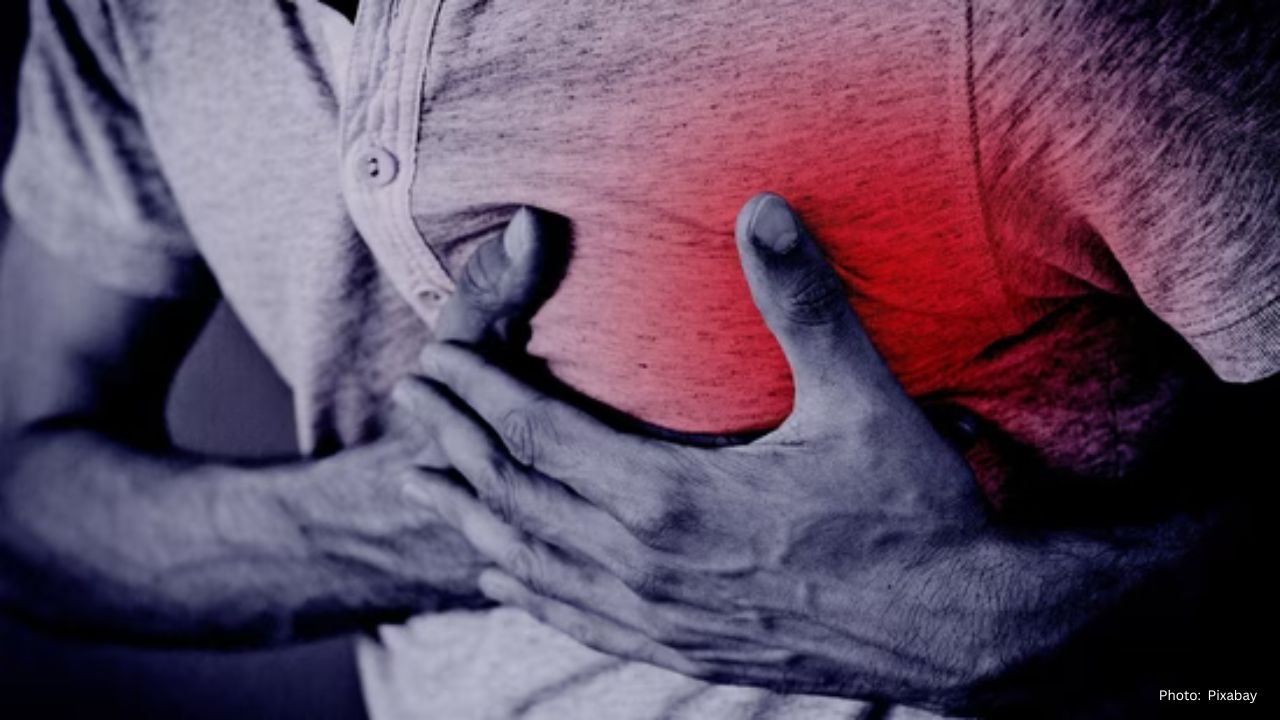
Heart attacks can strike without the dramatic symptoms we often expect; instead, your body might offer subtle clues long before a critical moment. Dr. Jack Wolfson, a seasoned cardiologist from Arizona with over 16 years in the field, cautions that these initial indicators are frequently misinterpreted as minor discomforts, stress, or fatigue. Being alert to these warnings could potentially save your life.
In a recent Instagram post from November 28, Dr. Wolfson emphasized five unusual symptoms that are commonly ignored in the context of heart health.
1. Skin Changes
Skin conditions can be a reflection of internal health concerns. Issues like dry, itchy, or flaky skin, along with rashes or eczema, may hint at deeper issues. Dr. Wolfson notes that inflammation can increase heart attack risk. Should you experience ongoing skin changes without any apparent explanation, it might be time for a heart health evaluation.
2. Persistent Headaches
Headaches are often regarded as commonplace, yet Dr. Wolfson warns that recurring headaches can indicate potential problems with blood vessels or depleted nitric oxide levels. Both can exert undue pressure on the heart. Unexplained or frequent headaches should certainly not be overlooked.
3. Abdominal Pain
Issues such as bloating, constipation, or general pain in your stomach can sometimes be linked to heart conditions. There is a significant connection between gut health and cardiovascular wellness, and discomfort in this area may be a sign of heart complications.
4. Unexplained Aches
General body aches or specific pain in atypical regions—like shoulder blades or even teeth—might correlate with internal inflammation. Dr. Wolfson highlights that any unusual aches should be evaluated as they may indicate stress on the heart.
5. Sleep Disturbances
Struggles with sleep not only leave you tired but could serve as a warning sign of heart troubles. Challenges with falling asleep, waking during the night, or chronic insomnia have been linked to a higher risk of heart attacks. Observing your sleep patterns can provide valuable insights into your heart health.
Dr. Wolfson shares an essential takeaway: “Your body whispers before it screams.” Recognizing these subtle signals and seeking medical advice promptly can potentially save lives.
Heart attacks may not always reveal themselves through conventional indicators like chest pain. By understanding these silent signs—from skin issues to headaches, digestive discomfort, unexplained pain, and sleep problems—you are empowered to take early action, safeguard your heart, and enhance your overall health.