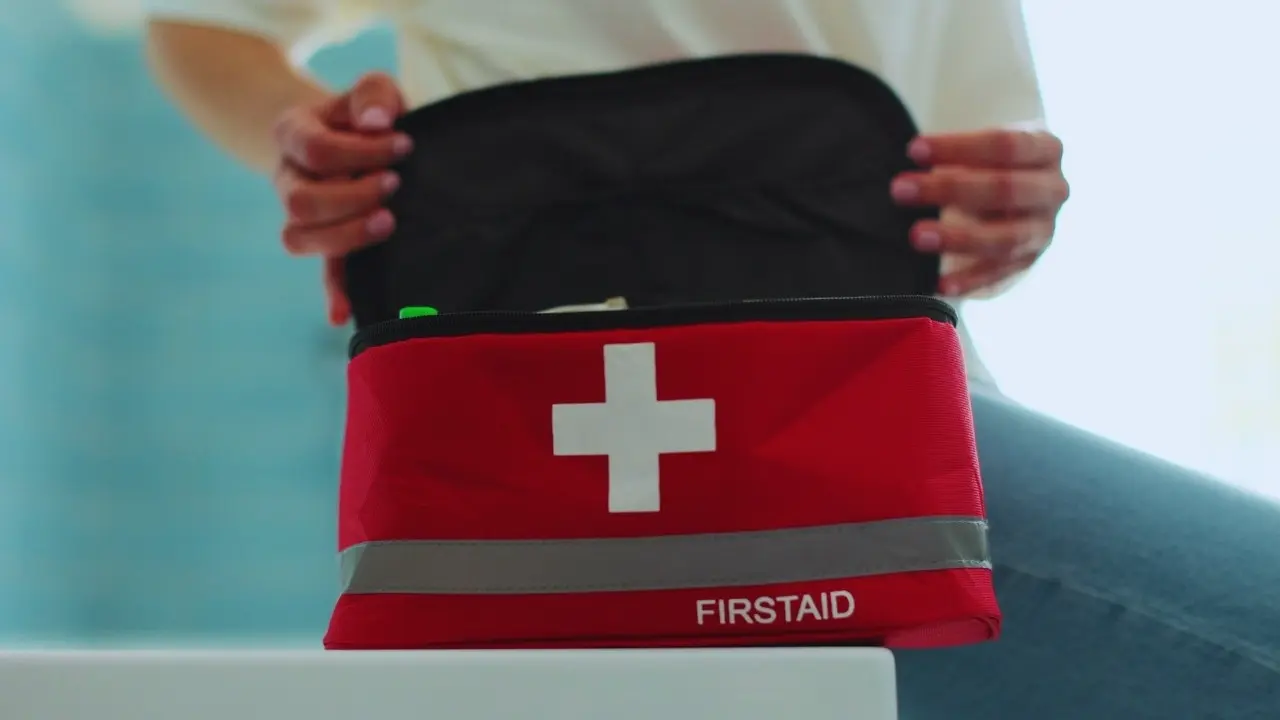
Understanding the Need for Updated First-Aid Guidelines
New health advisories emphasize the importance of refreshing first-aid kits as household risks evolve. With a rise in electronics, more screen time, and diverse daily activities, families face new accidents requiring updated responses.
Modern living has led health experts to recommend families reassess their first-aid setups, streamline emergency plans, and adjust to new realities. This proactive strategy ensures readiness for injuries and unforeseen medical situations.
Why Adopting Updated First-Aid Practices is Crucial
Traditional first-aid methods might rely on obsolete techniques. Today, we have improved knowledge on wound care, allergic reactions, and preventive measures. By adopting updated practices, families can:
– Provide better injury care
– Minimize complications
– Respond confidently
– Prevent infections
– Manage emergencies before professionals arrive
Maintaining calm is critical during emergencies; a prepared family can respond efficiently and safely.
Modern Risks Families Must Address
Today's homes introduce various hazards including electronics, cleaning products, and ergonomic challenges. Children and pets add to the necessity for vigilance. With remote work on the rise, injuries can occur more easily.
These evolving circumstances necessitate a reevaluation of first-aid preparedness to tackle these new risks effectively.
1. Update Your First-Aid Kit
Many households still utilize outdated first-aid kits containing old supplies. Recent guidelines advocate for a thorough reassessment and upgrade of these kits.
A well-organized first-aid kit should contain:
– Sterile gauze
– Various size adhesive bandages
– Antiseptic wipes
– Alcohol-free cleansing wipes
– Digital thermometer
– Burn gels
– Crepe bandages
– Cold packs
– Tweezers and scissors
– Pain-relief spray
– Antihistamines
– ORS packets
– Cotton rolls
– Hand sanitizers
– Disposable gloves
– A compact flashlight
– Kid-friendly bandages
Families should keep this kit in a waterproof container and check its contents every quarter.
2. Prioritize Burn-Care Supplies
Burns remain a frequent home accident. Updated guidelines highlight the necessity of having proper burn-care items ready.
Recommended burn-care supplies include:
– Hydrogel burn dressings
– Burn-relief sprays
– Non-adhesive sterile dressings
– Avoid old home remedies like toothpaste and ice
The proper initial treatment involves cooling the burn under running water followed by suitable dressings. Such small yet impactful changes can significantly influence recovery.
3. Safeguard Child Medication
It’s crucial to separate medications for adults and children to prevent dosing mistakes. Child-safe medications must be:
– Stored at a different height
– Clearly labelled or color-coded
– Secured in child-proof containers
– Regularly checked for dosage
This is especially vital in homes with infants and young children.
4. Organize First-Aid Essentials for Quick Access
An unorganized first-aid kit can slow response times. Recommendations now suggest:
– Grouping wound-care items together
– Storing medications separately
– Securing tools (i.e., scissors, tweezers)
– Taping emergency contact numbers inside the box
Ensuring quick access during an emergency can be a lifesaver.
5. Prepare for Minor Injuries
As home exercise becomes popular, injuries like sprains and strains are on the rise. Families should stock:
– Elastic bandages
– Cold packs
– Basic splints
– Immobilisation tools
These supplies can help immobilize injuries before professional assistance is available.
6. Keep Allergy Medications Accessible
Allergic reactions are increasingly common due to environmental triggers. Keep the following handy:
– Gentle antihistamine tablets
– Anti-itch lotions
– Cold compresses
– Allergen avoidance notes
For severe allergies, ensure emergency response instructions are clearly visible.
7. Include Eye-Care Emergency Supplies
Eye injuries can occur unexpectedly. Recommendations now include:
– Sterile saline solutions
– Clean eye dressings
– Eye flushing instructions
Households using chemical cleaners or DIY materials need these supplies.
8. Enhance Digital Emergency Preparedness
Technology plays an increasingly vital role in emergency responses. Families should maintain:
– Phone-stored emergency contacts
– Health-tracking applications
– Digital versions of prescriptions
– Records of health conditions for family members
– Voice-activated assistants for emergencies
These digital tools enhance the effectiveness of first-aid responses.
9. Ensure Basic First-Aid Training for All
Possessing a first-aid kit is only part of the solution; understanding how to utilize it is essential. Recent campaigns encourage families to know how to:
– Treat cuts and wounds
– Stop bleeding
– Handle burns properly
– Manage allergic reactions
– Administer basic CPR
– Address choking incidents
– Recognize dehydration
Training, practice sessions, or visual guides can significantly aid in response skills.
10. Create Individual Emergency Sheets for Family Members
Providing immediate medical information can speed up care. Essential elements include:
– Full name
– Blood type
– Allergies
– Current medications
– Chronic conditions
– Emergency contacts
These should be routinely updated for accuracy.
11. Distribute First-Aid Supplies Throughout the Home
Recent advice suggests storing vital first-aid supplies in multiple spots:
– A main first-aid kit
– A smaller kit in high-risk areas like the kitchen
This strategy facilitates faster response during emergencies.
12. Set Up a Child-Friendly First-Aid Zone
For families with children, having a secure mini-station for first-aid items (bandages, antiseptic, thermometer) allows for prompt care when necessary.
13. Recognize When to Seek Medical Help
One key message is knowing when to escalate care. Signs to watch for include:
– Excessive bleeding
– Deep burns
– Difficulty breathing
– Unexplained faintness
– Sudden chest pain
– Severe allergic reactions
– Persistent high fever
– Ongoing vomiting
Identifying these symptoms helps avoid treatment delays.
14. Foster a Safety-Conscious Family Culture
First-aid isn't solely for emergencies; it should also prioritize accident prevention. Families should instill everyday safety practices such as:
– Maintaining dry floors
– Securing electrical cords
– Properly storing chemicals
– Using kitchen equipment wisely
– Educating children about safety
A prevention-oriented mindset diminishes emergency prevalence.
15. Stay Calm and Communicative During Crises
The guidelines stress the importance of remaining composed in emergencies. Panic can hinder effective action. Families should practice:
– Delegating responsibilities
– Clear communication
– Proper movement of injured persons
– Calling for help succinctly
Staying composed is one of the strongest tools available in first-aid situations.
Why These First-Aid Changes Are Vital Today
Updated recommendations reflect modern life dynamics. As lifestyles shift, families must become more aware of potential risks. Being prepared fosters confidence, alleviates anxiety, and enhances safety during the unexpected.
Simple updates and proactive practices can save lives significantly.
The Future: Families Empowered Through Preparedness
As awareness increases, more families are honing their home safety protocols. Ready access to first-aid resources is becoming as routine as ensuring access to food and utilities. This shift signals a commitment to health, safety, and preparedness for all.
Disclaimer:
This content is meant for informational purposes and is not intended as a substitute for medical advice. Always seek guidance from certified healthcare professionals for personalized recommendations.