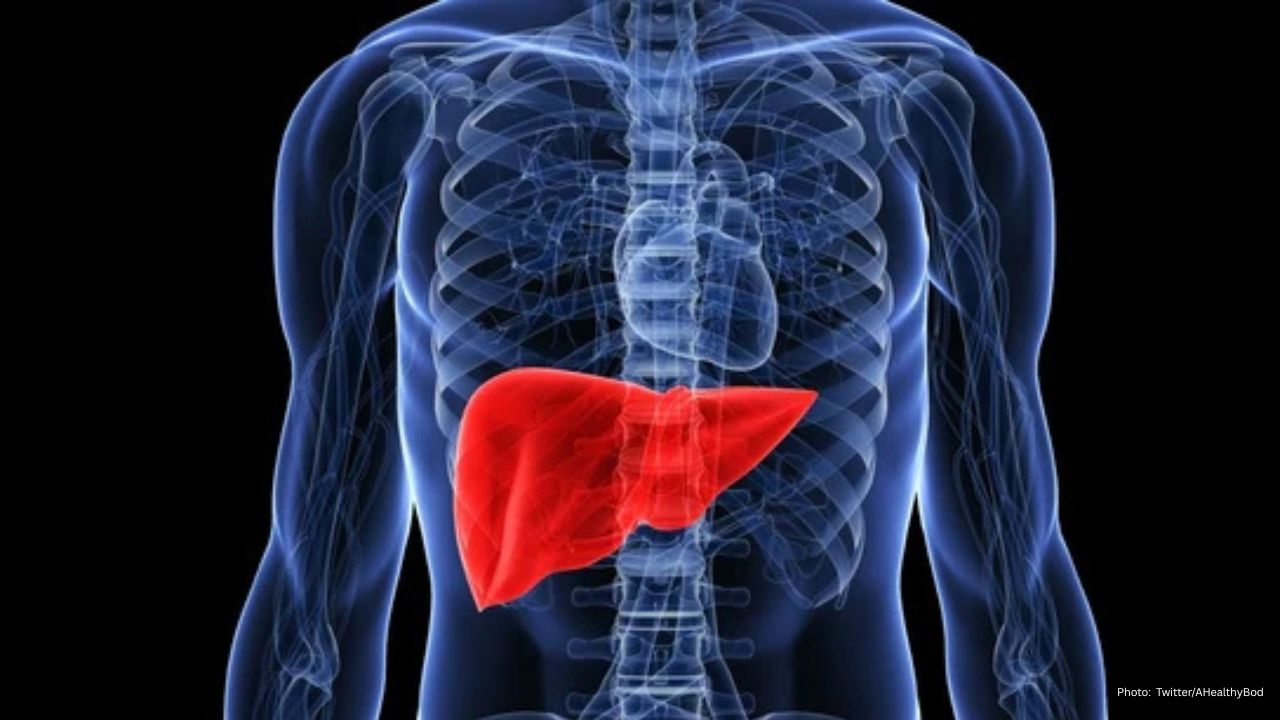
Fatty liver is increasingly common as modern diets, stress and sedentary routines take a toll. Many people remain unaware until the condition worsens. Dr. Brijmohan Arora, a senior diabetologist from Dwarka with over two decades of clinical experience, says some outward signs can hint at fatty liver and early insulin resistance without immediate blood work.
In an Instagram clip, Dr. Arora described a patient who refused tests but wanted a quick check on liver health. He noted that careful observation of the body can provide clues about metabolic problems and whether further evaluation is needed.
One key indicator he mentioned is a hard, protruding belly—visceral fat lodged deep inside the abdomen around organs. If a stomach feels unusually firm and bulging, it can suggest excess fat accumulation in the liver.
Skin tags are another helpful sign. These small, soft flaps of skin often crop up around the neck or underarms and are commonly linked with insulin resistance, which in turn is associated with fatty liver and higher diabetes risk.
Dr. Arora also pointed to red or purplish streaks on the lower legs, particularly near the ankles. Such discoloration can reflect vascular stress and may accompany metabolic disturbances tied to insulin problems.
A rounded, puffy face is worth noting as well. When cheekbones are less defined and the face appears bloated, it can be a visible clue that fat is building up internally, including in the liver.
High blood pressure readings—say above 140 or 150—are another important warning sign. Elevated blood pressure often travels hand in hand with insulin resistance, even before diabetes is formally diagnosed.
The doctor explained that fatty liver and insulin resistance reinforce each other: fat in the liver worsens insulin activity, and poorer insulin control promotes further fat storage in the liver. Over time, this cycle can lead to NASH, a more serious inflammatory liver condition.
Dr. Arora emphasized that these external signs are helpful red flags but not definitive proof. He urged people to get proper blood tests and medical check-ups to confirm any diagnosis.
To lower the risk of fatty liver, he recommends practical lifestyle changes: cut back on sugary snacks and junk food, stay active with regular exercise, prioritise sleep, and manage stress through simple daily habits.
Staying well hydrated and adding natural fibre from fruits, vegetables and whole grains can support liver function and overall metabolism.
Importantly, fatty liver is often reversible when caught early. Small, consistent changes in diet and activity can make a real difference in liver health.
Dr. Arora’s message is a reminder that our bodies often show warning signs before illness becomes serious. Paying attention to these subtle changes and seeking advice can help prevent longer-term damage.
Ultimately, listening to your body and acting early—by improving habits and consulting a doctor—gives the best chance of reversing fatty liver and protecting long-term health.