The Truth About Rice Water for Acne-Prone Skin: Pros, Cons, and Expert Insights
Rice water has captured the attention of beauty enthusiasts across social media, touted for its myriad skincare benefits, from enhancing radiance to refining texture. Many individuals with acne-prone skin are eager to know whether this natural remedy could alleviate breakouts, soothe irritation, or improve skin clarity. While it provides nutrients that boast potential skin advantages, dermatologists urge caution, highlighting the need to understand both its virtues and limitations before integrating it into your skincare regimen.
Acne presents unique challenges, often dictated by factors such as oil levels, hormonal fluctuations, bacterial presence, inflammation, and lifestyle choices. Therefore, what proves effective for one person may not yield the same results for another.
Understanding Rice Water's Role in Skincare
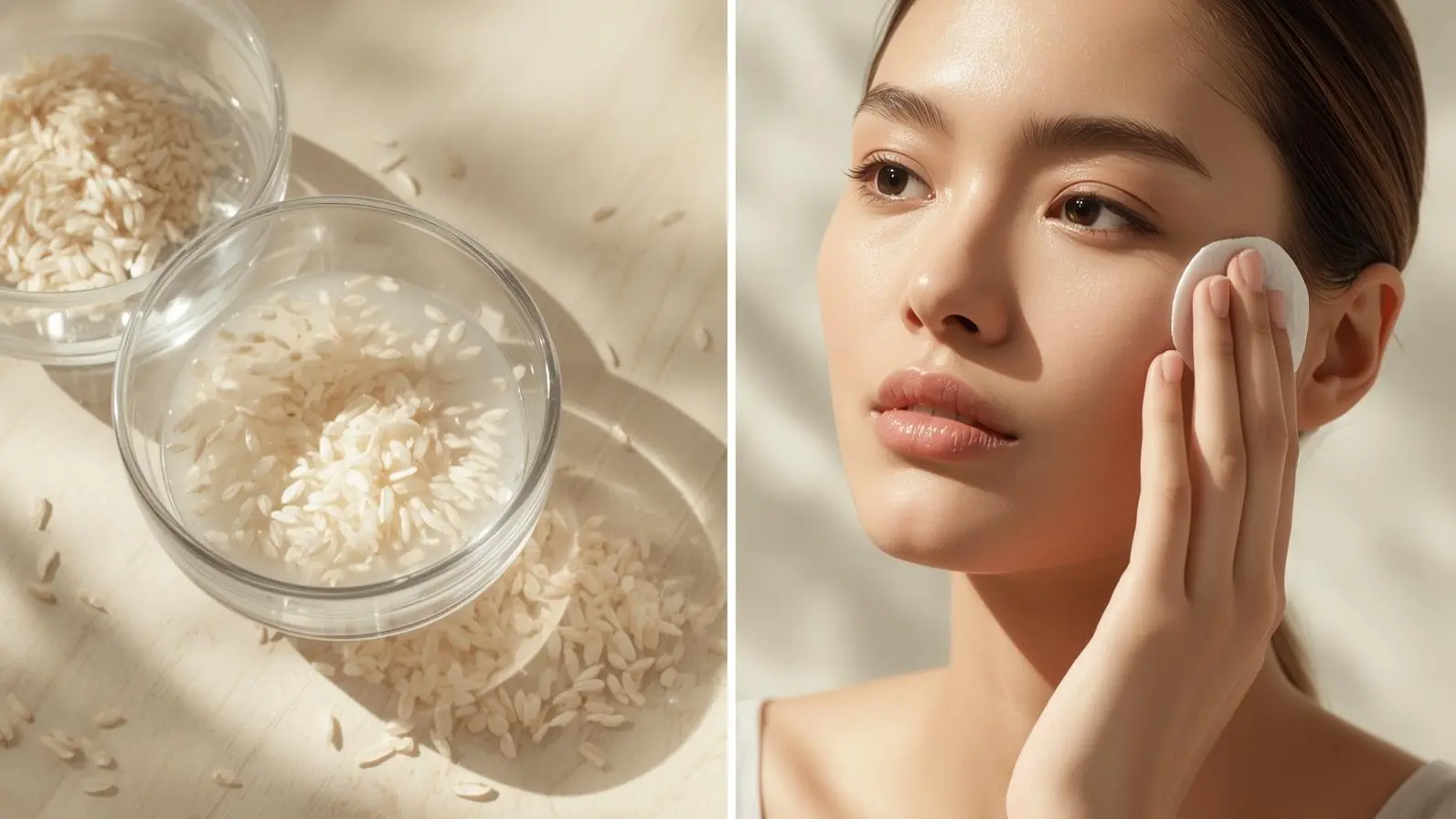
Rice water is the nutrient-rich liquid obtained after boiling or soaking rice. It contains trace levels of vitamins, minerals, amino acids, and antioxidants, potentially aiding in skin barrier support. Traditionally a staple in various Asian beauty regimes, its popularity surges due to claims that it brightens the skin, diminishes irritation, and enhances overall texture.
For those dealing with acne, the appeal of rice water largely stems from its rumored soothing and oil-regulating properties. However, skincare specialists remind us that natural ingredients should be approached with care, particularly on sensitive or inflamed skin.
Benefits of Rice Water for Acne-Prone Skin
1. May Alleviate Skin Irritation
People with acne-susceptible skin often experience inflammation and sensitivity. Rice water's components may confer a calming effect on irritated skin, temporarily easing redness or discomfort, especially when applied gently as part of a straightforward skincare routine.
With harsh acne treatments sometimes leading to dryness or irritation, gentle ingredients can help restore overall comfort.
2. Supports the Skin Barrier
A robust skin barrier is vital for acne management. If compromised, it can lead to increased sensitivity and irritation. Rice water is rich in nutrients that may help maintain hydration and bolster the skin barrier's function when used correctly.
Prioritizing skin barrier health can minimize excessive dryness while enhancing resilience over time.
3. Potential to Control Excess Oil
A segment of users report that rice water reduces the oily feel of their skin. Given that excess oil contributes to acne, this aspect of rice water garners attention among individuals grappling with acne concerns.
However, results can differ significantly between skin types. What reduces oiliness for one individual could result in dryness or imbalance for another.
4. Packed with Antioxidants
Rice water is rich in antioxidants that may shield the skin from environmental stressors. While this doesn’t provide direct acne treatment, healthier skin is likely to recover more efficiently from inflammation and irritation.
Antioxidants are revered components in numerous skincare products as they help sustain long-term skin vitality.
Important Risks to Consider
1. Not a Guaranteed Acne Treatment
A common myth is that rice water can “cure” acne. Dermatologists typically advise against relying on it as a primary remedy, as acne often necessitates more specialized treatment based on its severity and underlying causes.
While some people may find comfort in using rice water, it should not be seen as a primary substitute for prescribed acne therapies when necessary.
2. Homemade Versions Can Cause Irritation
The quality of rice water can vary significantly. Homemade preparations risk fermentation or contamination if not stored properly. Fermented rice water might be overly harsh for sensitive or compromised skin.
Those with reactive or incredibly sensitive skin may experience irritation, itching, or exacerbated breakouts due to inadequate toleration.
3. Excessive Use Can Upset Skin Balance
Utilizing any skincare component too liberally—even natural ones—can throw off the skin's equilibrium. Over-application of rice water may lead to unwanted dryness or tightness in susceptible individuals.
Experts generally recommend the gradual introduction of new skincare items while observing skin reactions.
4. Professional Care for Serious Acne
Moderate to severe acne, cystic forms, or persistent outbreaks often demand professional intervention. Delaying necessary treatment while trying home remedies could aggravate inflammation or elevate scarring risks.
For this reason, dermatologists suggest viewing rice water as an adjunct supportive ingredient rather than a definitive remedy.
Safe Usage Tips from Experts
Dermatological professionals advocate a simplified and cautious approach when incorporating rice water for acne-prone skin.
Key suggestions include:
Patch test prior to broader application
Utilize freshly made rice water whenever feasible
Avoid multiple daily applications
Cease use if irritation occurs
Simplify your skincare routine
It’s crucial to refrain from combining numerous DIY concoctions, as this could overwhelm acne-prone skin.
Who Should Avoid Using Rice Water?
Individuals with highly sensitive skin, eczema, compromised skin barriers, or severe inflammatory acne may warrant additional caution. Each skin type behaves differently; what is beneficial for one person may not suit another.
If your skin reacts negatively after using it, it’s advisable to stop immediately and seek advice from a dermatologist.
Concluding Thoughts
While rice water may deliver soothing and supportive effects for those with acne-prone skin, it should be utilized thoughtfully within a well-rounded skincare plan. Manage expectations, as some might see improvements in skin comfort or oil regulation, but rice water is not a scientifically verified acne cure.
Maintaining healthy skin typically relies on consistent use of mild products, proper hygiene, and a deep understanding of individual skin requirements. Natural remedies exist to support this journey, but professional advice is crucial for tackling persistent or severe acne issues.
Disclaimer
This content is meant for informational purposes only and should not replace the advice of professional dermatologists. Individual reactions may differ, so consult a qualified skincare professional for significant or severe skin concerns.