Photo: Reuters
A group of Democratic lawmakers in the United States Senate has introduced a resolution that calls for the official recognition of a Palestinian state. This is a significant step in American politics because it touches on a topic that has long been sensitive: the conflict between Israel and Palestine.
The resolution is led by Senator Jeff Merkley from Oregon, along with several other Democratic senators. Their main goal is to encourage the U.S. government to formally recognize Palestine as a sovereign state.
According to the senators, the recognition should include a demilitarized Palestinian state—one without its own army—and it should exist alongside a secure Israel. This approach is meant to balance the interests of both Israelis and Palestinians while promoting the possibility of peace.
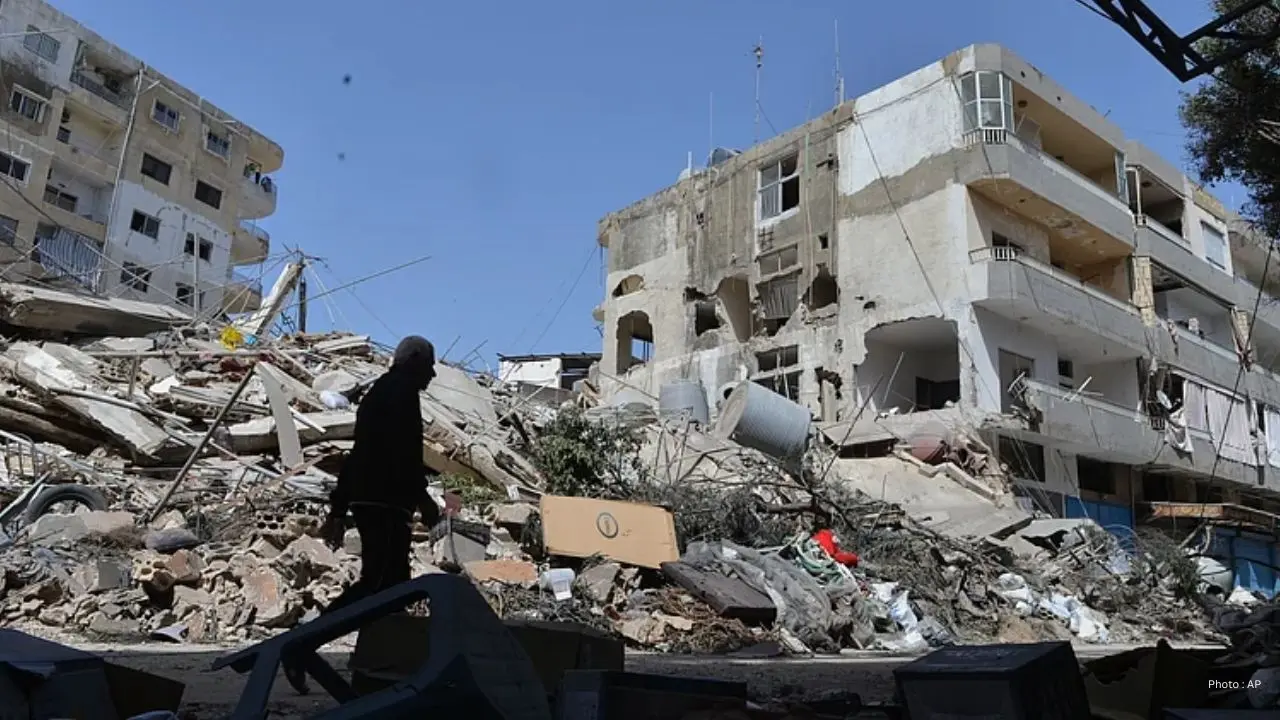
The resolution comes at a time when the humanitarian crisis in Gaza is at a very serious level. The ongoing war has resulted in a large number of deaths and widespread suffering among civilians. Many people in Gaza are lacking food, medicine, clean water, and shelter. The senators believe that recognizing a Palestinian state could offer hope and signal America’s willingness to help find a peaceful solution.
Purpose of the Resolution
- The senators explain that the resolution is meant to achieve several goals:
- Support Palestinian Self-Determination: They want the Palestinian people to have the right to govern themselves in their own state.
- Encourage Peace Negotiations: By recognizing Palestine, the United States can encourage both sides to work toward a peaceful two-state solution.
- Address Humanitarian Needs: The resolution also emphasizes that the U.S. must support efforts to provide food, medical aid, and shelter to civilians affected by the war in Gaza.
Show Leadership: The senators argue that the U.S., as one of Israel’s strongest allies, has a responsibility to use its influence to help achieve a fair and lasting peace.
The resolution calls for two states living side by side in peace and security. The Palestinian state would be demilitarized, meaning it would not have its own military, and Israel’s safety would remain protected. This balance is intended to prevent further conflict while providing justice for the Palestinian people.
- Supporters of the Resolution
- Several prominent senators are backing this proposal, including:
- Chris Van Hollen (Maryland)
- Tim Kaine (Virginia)
- Peter Welch (Vermont)
- Tina Smith (Minnesota)
- Tammy Baldwin (Wisconsin)
- Mazie Hirono (Hawaii)
Bernie Sanders (Vermont), an independent who often works with Democrats
In the House of Representatives, Ro Khanna from California is also gathering support for similar efforts to recognize Palestinian statehood. The push reflects growing concern among some lawmakers about the humanitarian crisis and a desire to signal U.S. support for peace.
Supporters believe that recognition is more than symbolic. It could influence international diplomacy, encourage moderate voices in the Palestinian territories, and strengthen efforts for a long-term peaceful resolution.
Challenges the Resolution Faces
Despite Democratic support, the resolution faces several challenges:
Senate Majority: The Senate is currently controlled by Republicans, who are generally opposed to recognizing Palestine under these terms. With 53 Republicans and 47 Democrats, passing the resolution is unlikely.
Presidential Opposition: President Donald Trump has stated that he does not support recognizing a Palestinian state as proposed.
No Republican Co-Sponsors: So far, no Republican senators have signed on to support the resolution, limiting its chance of becoming law.
Some critics argue that recognizing a Palestinian state while the conflict continues could reward violent groups and threaten Israel’s security. They also believe that symbolic recognition alone would not resolve the underlying issues.
Even within the Democratic Party, opinions are mixed. Some progressive senators strongly support the resolution, seeing it as overdue justice for Palestinians, while others worry about political consequences and the reaction from pro-Israel groups in the U.S. This division highlights how complex and sensitive the issue remains.
Why the Resolution is Introduced Now
- Several factors have made lawmakers push this resolution at this moment:
- Ongoing War in Gaza: Violence between Israel and Hamas has continued for almost two years, causing severe civilian casualties and destruction.
- Humanitarian Crisis: Millions of people in Gaza are struggling without access to basic necessities. The U.S. and other countries face pressure to respond.
- Public Opinion: Some polls indicate that a growing number of Americans support recognition of Palestine, reflecting a shift in U.S. public sentiment.
- International Pressure: Many countries, including European nations, already recognize Palestine. The U.S. is one of the few major powers that has avoided formal recognition, and some lawmakers believe it is time to change this.
Senator Merkley and other supporters argue that delaying recognition only prolongs suffering and frustration. They believe recognition could empower moderate voices and provide a framework for serious negotiations.
- What Recognition Would Mean
- Recognition of a state is a formal step where one country acknowledges another as a sovereign nation. This includes:
- Treating the government as legitimate
- Establishing diplomatic relations, possibly with embassies or consulates
- Respecting borders and governance
In this case, the resolution calls for a Palestinian state without its own military and alongside a secure Israel. While symbolic, recognition could influence peace negotiations and international relations in the Middle East.
Possible Effects of Recognition
- If the U.S. were to formally recognize a Palestinian state:
- It could encourage Israel and Palestine to return to negotiations.
- It could influence other countries to also recognize Palestine.
- It could improve humanitarian aid efforts by giving international legitimacy to Palestinian authorities.
- It might create political backlash in the U.S., especially among Republicans and pro-Israel groups.
Supporters argue that the long-term benefits of peace and stability outweigh short-term political risks. Critics fear that recognition without ending violence could worsen the conflict.
Current Situation in Gaza
- The humanitarian crisis in Gaza is one of the most urgent issues in the conflict:
- Thousands of civilians have died in ongoing military operations.
- Many families are displaced and living without proper shelter.
- Access to food, clean water, and medical care is extremely limited.
The resolution highlights these problems and urges the U.S. to take a stronger role in addressing the crisis. Recognition of Palestinian statehood is seen as part of a broader strategy to create hope and stability for the people affected.
International Context
Globally, recognition of Palestine has been a contentious issue for decades. Some countries, especially in Europe and the Middle East, have recognized Palestine as a state, while others, including the U.S., have maintained close ties to Israel without formal recognition of a Palestinian state.
- If the U.S. were to recognize Palestine, it could have wide-reaching diplomatic effects:
- Strengthen moderate leaders in Palestinian territories
- Encourage international efforts for a two-state solution
- Put pressure on all sides to negotiate peacefully
- At the same time, it could trigger debates in Israel and among U.S. allies, as well as within American politics.
- Political Debate in the United States
- The resolution has sparked debate within the U.S.:
- Democrats argue for fairness, justice, and peace.
- Republicans emphasize security for Israel and caution against rewarding groups like Hamas.
- Some Americans believe that symbolic recognition is not enough and real peace requires on-the-ground changes.
The Senate resolution, while unlikely to pass in the current political environment, shows a shift in thinking among some U.S. lawmakers. It signals a growing concern for Palestinian rights and humanitarian issues in Gaza.
Implications for Palestinians and Israelis
For Palestinians, this resolution offers hope. It shows that parts of the U.S. government are listening to their demands for self-determination. Even if the resolution does not lead to immediate recognition, it keeps the conversation alive and maintains international attention on their plight.
For Israelis, the resolution raises concerns about U.S. support. Many Israelis see recognition of Palestine without security guarantees as a potential threat. Balancing recognition with Israel’s security is a core issue of the resolution.
The resolution introduced by Democratic senators is a symbolic but significant step in U.S. politics. It calls for the recognition of a demilitarized Palestinian state alongside a secure Israel and highlights the humanitarian crisis in Gaza.
While it faces strong political challenges, the resolution represents a growing debate in the United States about how to approach the Israel-Palestine conflict. It emphasizes the need for fairness, security, and humanitarian support, showing that lawmakers are looking for new ways to encourage peace.
The conflict between Israel and Palestine has lasted for more than 70 years, and finding a lasting solution remains a global challenge. This resolution may not immediately change the situation, but it reflects a desire to engage seriously with the issue and promote hope for a more peaceful future.