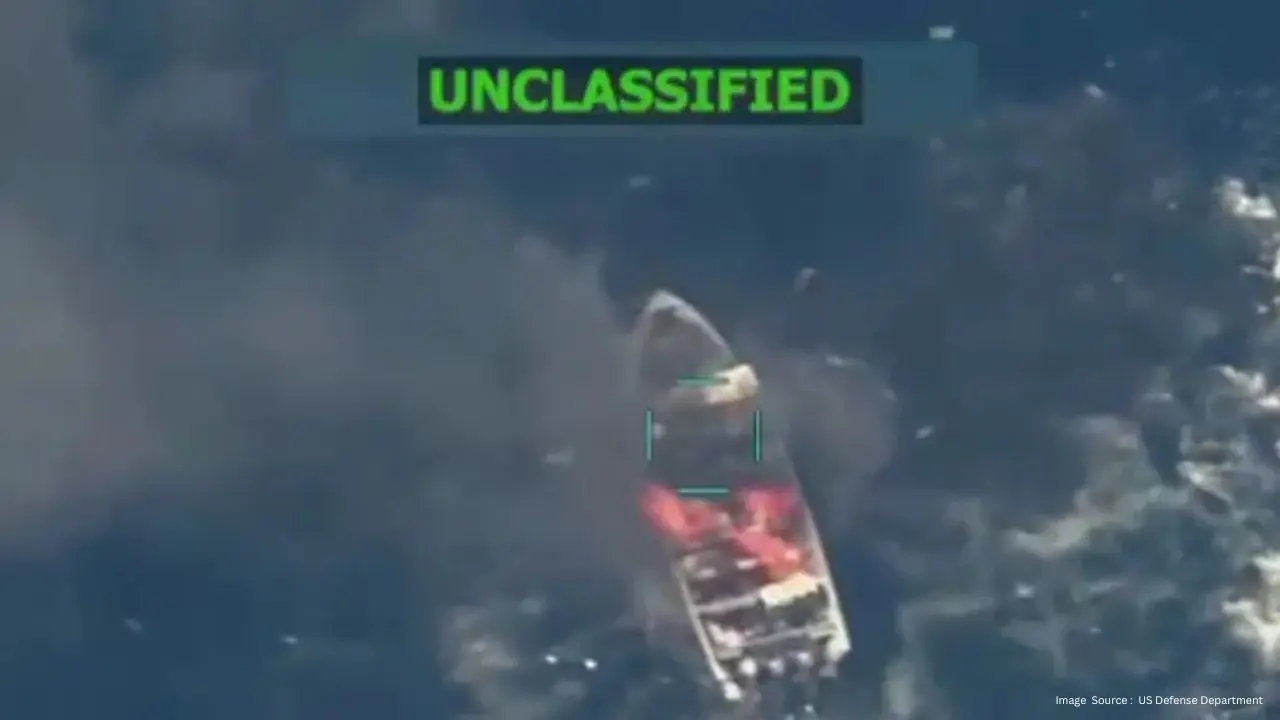
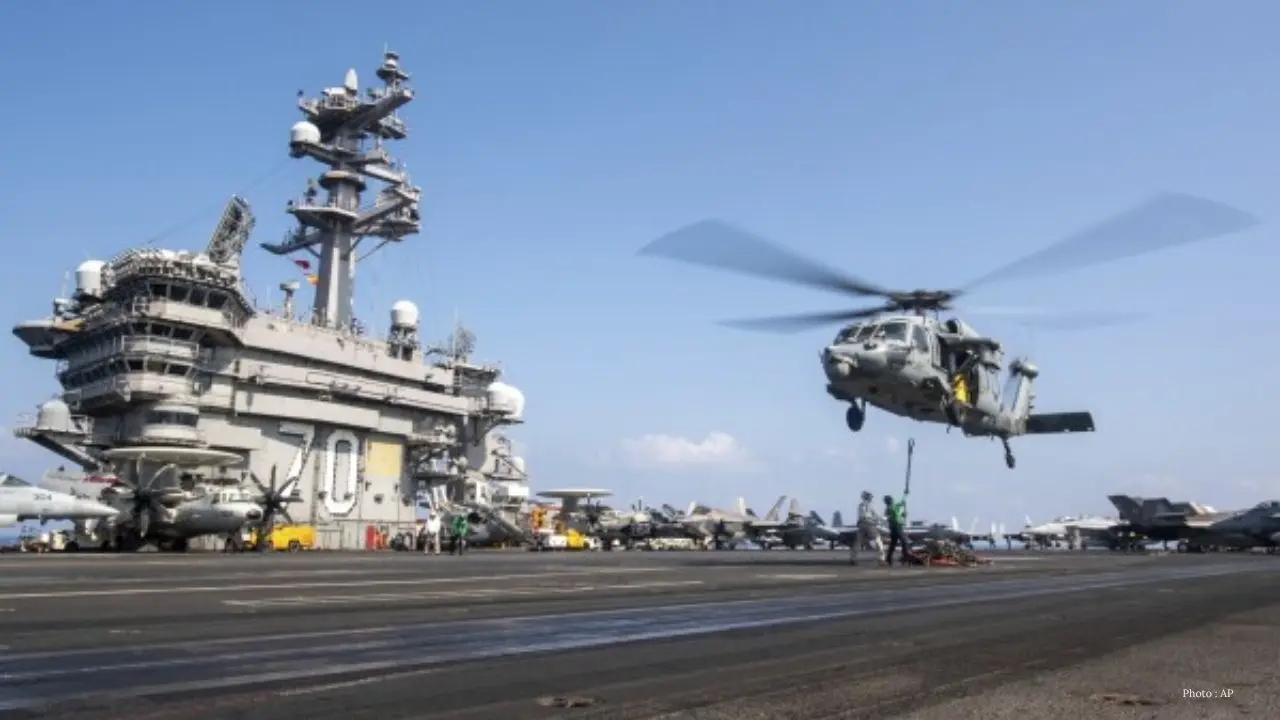
The US military has conducted a strike on a vessel in the eastern Pacific, resulting in the deaths of two individuals. This operation is part of a broader initiative aimed at curbing drug trafficking in international waters. While US officials assert the necessity of these actions for national security, they also raise pressing questions about legality and human rights considerations.
The attack targeted a vessel suspected of involvement in narcotics smuggling. The US military indicated that the boat was navigating recognized trafficking routes and was associated with what they termed “narco-terrorist” activities. However, there has been no substantial evidence presented to back these assertions or disclose the identities of the deceased.
This incident follows another operation in the same area just days prior, where five individuals lost their lives and one survived. These escalating strikes signify a continuing trend in the campaign against suspected traffickers.
This military campaign traces back to 2025, with reports highlighting that over 170 individuals have perished in various strikes throughout the eastern Pacific and the Caribbean. The US maintains that such armed actions are part of an effort to engage in conflict against drug cartels, arguing that stringent military measures are essential to prevent illicit drugs from entering the nation and endangering citizens.
However, numerous experts and human rights advocates have condemned these military actions. They argue that employing deadly force against suspected criminals, without thorough investigation or a fair trial, poses significant violations of both US and international laws. Critics assert that these measures could be interpreted as extrajudicial killings—targeting individuals without legal due process.
Transparency issues also loom large, with the military frequently not offering detailed proof linking targeted vessels to drug trafficking activities. As a result, independent observers face challenges in validating claims and determining the legitimacy of these strikes.
Legal scholars have noted that international maritime law enforces strict protocols. While nations can respond to illicit activities such as drug trafficking, deploying military force is bound by legal frameworks. The ongoing campaign has ignited discussions on whether these regulations are being upheld.
Additionally, there exists a growing concern regarding civilian casualties. In several prior incidents, families and lawyers contended that the deceased were innocent fishermen or non-combatants, not individuals involved in criminal activities. Such allegations have prompted lawsuits and calls for comprehensive investigations.
Despite mounting criticism, the US military persists with its initiatives, asserting the necessity to disrupt drug operations and secure national interests. Officials claim that these endeavors form a larger strategy to weaken crime syndicates in Latin America.
This scenario unveils a critical challenge in global security paradigms. Governments grapple with tackling transnational crimes like drug trafficking, yet the approaches utilized can stir complex ethical and legal dilemmas. Striking a balance between security and human rights continues to be a formidable challenge.
In summary, the latest US military operation in the eastern Pacific underscores the ongoing battle against drug trafficking, while simultaneously drawing significant attention to vital controversies. Though the overarching objective of halting illegal narcotics is generally supported, the methods employed warrant scrupulous scrutiny. As discussions continue, global observers will be keenly monitoring the execution of these operations and their adherence to principles of justice and international law.