The U.S. military has reported initiating self-defense strikes in southern Iran as ceasefire negotiations and diplomatic efforts unfold between the two nations. The targeted operations hit missile launch sites and vessels suspected of deploying naval mines in critical maritime routes.
U.S. Central Command officials confirmed that these actions were taken to safeguard American troops from immediate threats posed by Iranian military activities. Captain Tim Hawkins emphasized that despite rising tensions, the U.S. maintains a posture of restraint while aiming for a stable ceasefire timeline.
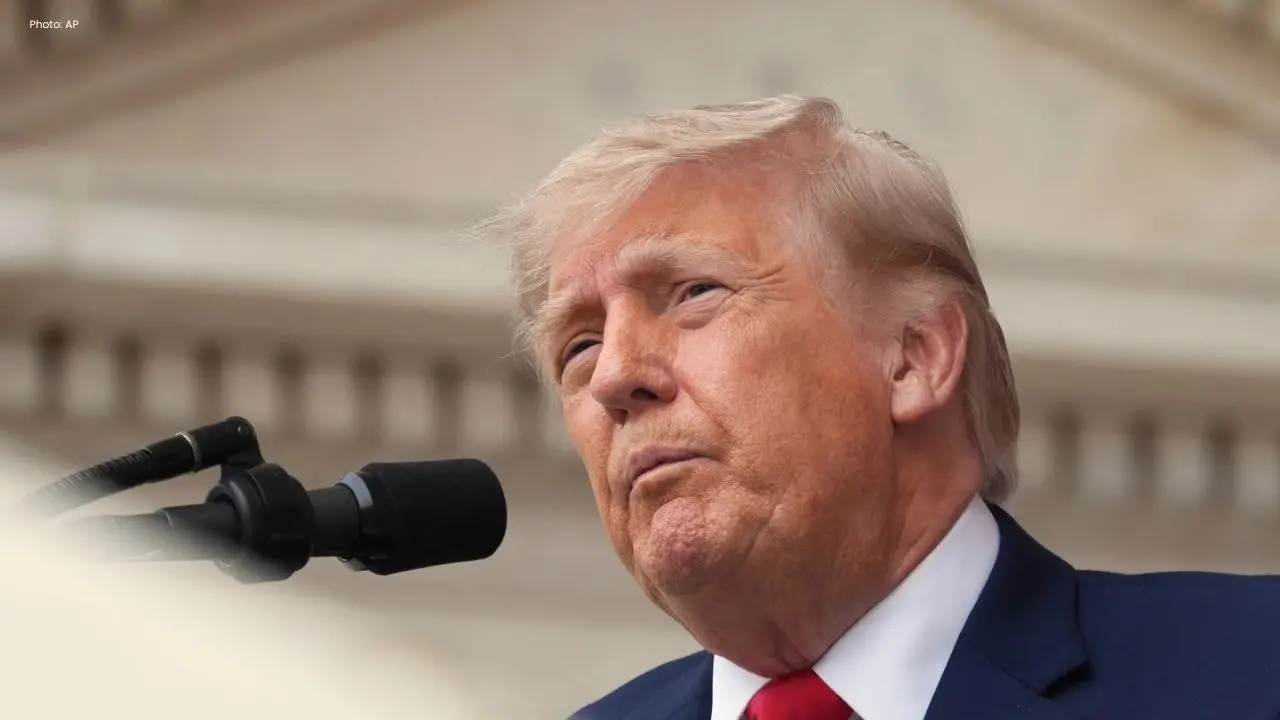
These military operations emerge during a pivotal phase of negotiations held behind the scenes between Washington and Tehran, with Donald Trump indicating that discussions were progressing positively, despite simultaneous reports of explosions in southern Iran. The military strikes have sparked worries that conflict escalation might hinder ongoing efforts toward a wider regional agreement.
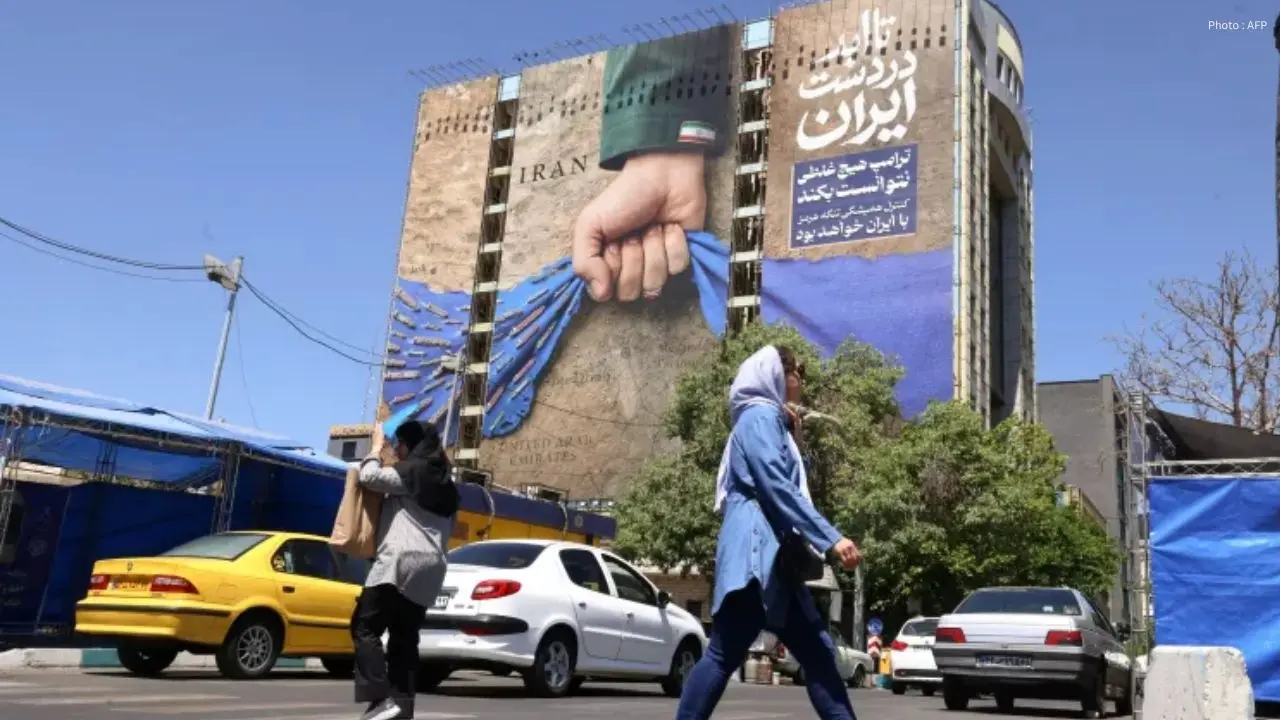
Media in Iran have reported the deaths of at least four Revolutionary Guard members as a result of the strikes, which targeted maritime assets near Bandar Abbas—a key port city along the Strait of Hormuz. Iranian state television also highlighted explosions occurring in military-associated areas, yet Tehran has yet to issue a formal statement regarding the U.S. military actions.
The Strait of Hormuz is recognized as a crucial maritime passage, vital for global oil and natural gas exports. Analysts caution that any disruption in this strait could lead to instability in international energy markets and exacerbate economic pressures globally.
Meanwhile, diplomatic maneuvers are ongoing, facilitated by intermediaries such as Qatar and Pakistan. Reports indicate that Iran's parliamentary speaker, Mohammad Bagher Qalibaf, has traveled to Qatar for negotiations related to the broader ceasefire discussions. Pakistan has also assumed a crucial role as a mediator in lowering tensions between Washington and Tehran.
The complexity of the situation has intensified following Trump’s suggestion that countries like Saudi Arabia and Pakistan should join the Abraham Accords as part of any forthcoming regional agreements. Initially, these accords aimed to normalize relations between Israel and various Arab states.
Trump advocated for the inclusion of additional nations alongside any future peace agreements regarding Iran. This proposal, however, poses fresh diplomatic hurdles, as several nations, including Pakistan, continue to connect the recognition of Israel with the establishment of an independent Palestinian state.
Political analysts indicate that the recent strikes highlight the precarious balance between military deterrent strategies and diplomatic negotiations that characterize the ongoing Middle East crisis. While talks persist, the repetition of military engagements and regional political demands may complicate efforts toward a lasting ceasefire between the U.S. and Iran.