Tension and uncertainty continue to grow across Iran as indirect negotiations between the United States and Iran move forward alongside military strikes, political threats, and escalating regional pressure. Many people inside Iran are closely watching developments, hoping diplomatic talks can prevent a larger conflict even as both sides continue exchanging strong warnings and military actions.
The latest round of talks is taking place through mediators in Qatar and other regional countries. American and Iranian officials are discussing several major issues, including Iran’s nuclear activities, sanctions relief, security in the Strait of Hormuz, and the possibility of extending the current fragile ceasefire. Despite ongoing negotiations, both sides remain deeply divided on key demands.
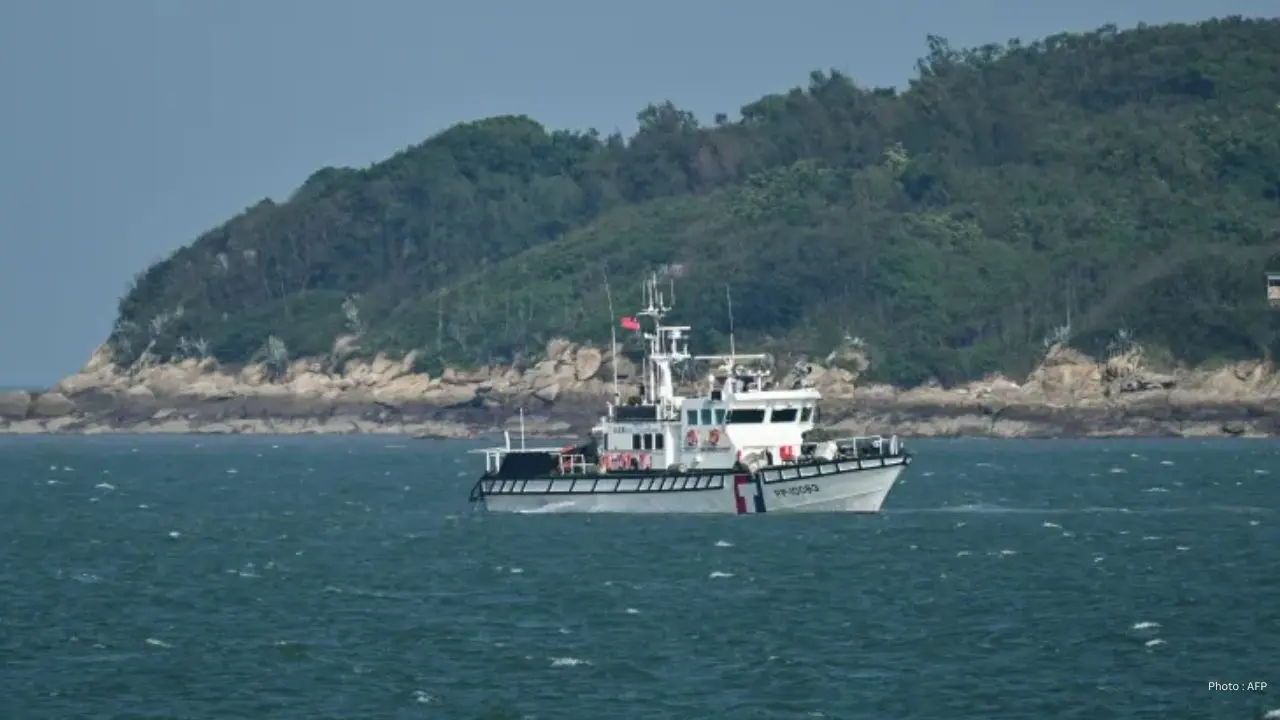
At the same time, the United States recently launched new “self-defence” strikes on Iranian missile launch sites and military-linked vessels in southern Iran. According to U.S. Central Command, the strikes targeted areas near the Strait of Hormuz after American forces claimed Iranian boats were attempting to place naval mines in strategic waterways. Iran strongly condemned the attacks and accused Washington of carrying out military aggression during sensitive peace negotiations.
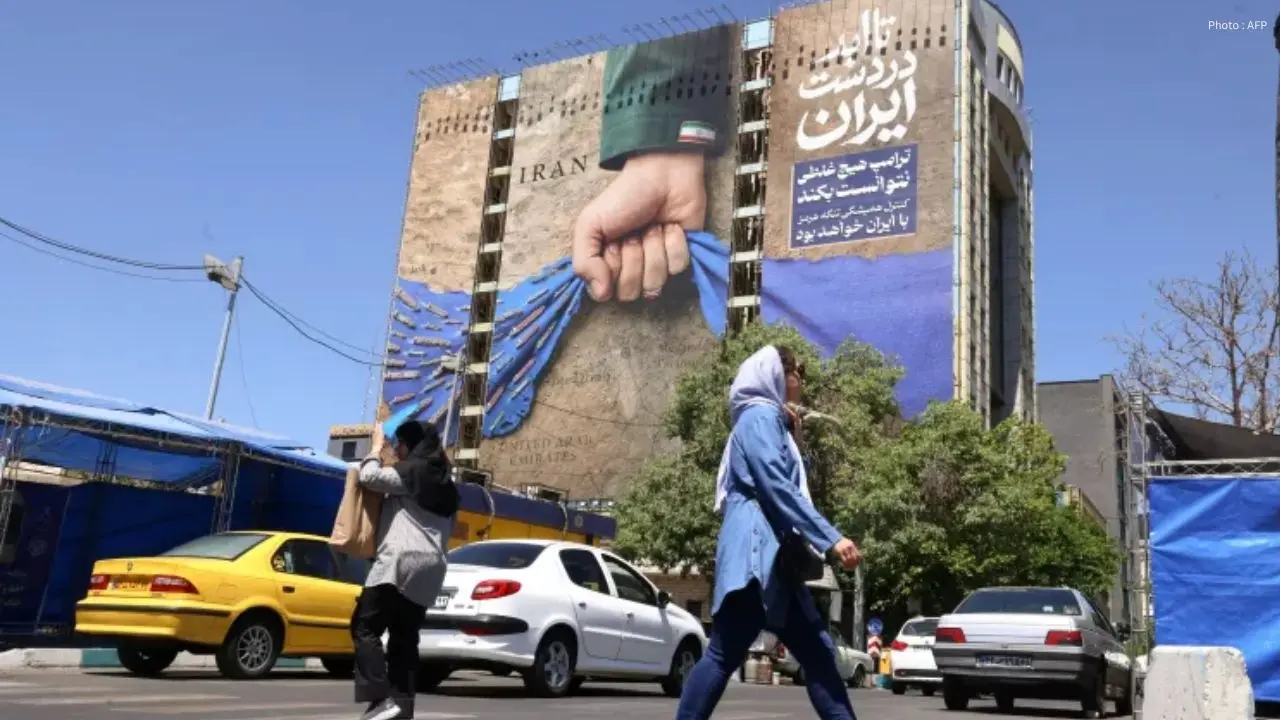
The combination of diplomacy and military escalation has created a tense atmosphere inside Iran. Residents in Tehran and other major cities are reportedly following news updates closely as fears of another wider war continue to rise. Iranian media outlets have focused heavily on the negotiations while also highlighting statements from military officials warning against further American attacks.
Iranian government officials publicly insist they remain open to fair negotiations but reject what they describe as pressure-based diplomacy. Iranian Foreign Minister Abbas Araghchi stated that Tehran would not negotiate under threats and said the country remains fully prepared to defend itself if attacked. Iranian leaders also accused the United States of using military force to gain political leverage during negotiations.
U.S. President Donald Trump has continued taking a tough public position while still supporting negotiations. Trump recently repeated demands that Iran either hand over or destroy its stockpile of highly enriched uranium under international supervision. He also warned that military action could increase if no meaningful agreement is reached.
Iran’s Supreme Leader Mojtaba Khamenei also raised tensions with strong statements directed at the United States. He warned that American military bases would no longer remain safe in the Middle East if attacks on Iran continue. His comments reflected growing anger within Iran following recent U.S. military operations in the Gulf region.
The Strait of Hormuz remains one of the biggest issues in the negotiations. The narrow waterway is critical for global oil transport, with nearly 20 percent of the world’s oil shipments passing through it. Any military conflict near the strait could affect international energy markets, shipping routes, and global fuel prices. Both Iran and the United States are reportedly discussing security guarantees linked to reopening and stabilizing shipping operations in the area.
Inside Iran, many citizens are worried about the economic impact of continued instability. International sanctions, inflation, and fears of war have already placed heavy pressure on the Iranian economy. Some Iranians hope diplomacy could reduce tensions and improve economic conditions, while others remain skeptical because previous negotiations between Tehran and Washington have repeatedly failed.
Analysts say the current situation is extremely fragile because both sides are balancing military pressure with diplomatic engagement. While negotiations continue through mediators, repeated strikes, threats, and political disagreements increase the risk of sudden escalation. Experts believe the coming days could become critical in deciding whether the talks lead to a broader agreement or push the region closer to another major conflict.