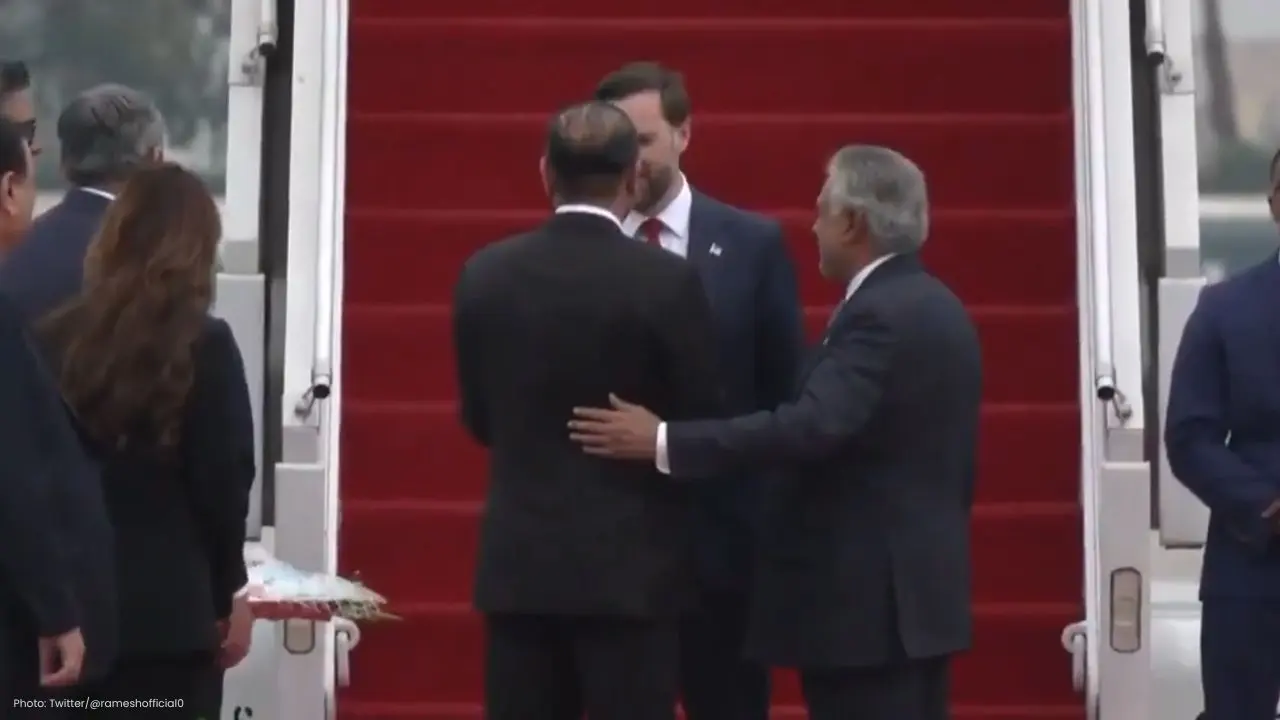
Peace negotiations between the United States and Iran have commenced in Islamabad, Pakistan, as both nations work to defuse ongoing tensions stemming from recent conflicts in the Middle East. These discussions emerge against a backdrop of a tenuous ceasefire and mounting global pleas to prevent further escalation.
Delegation Leaders Arrive for Crucial Discussions
The US team, led by Vice President JD Vance, has arrived in Islamabad with notable officials, including special envoy Steve Witkoff and advisor Jared Kushner. On the Iranian side, the delegation is headed by Parliament Speaker Mohammad Bagher Ghalibaf and Foreign Minister Abbas Araghchi.
With security tightened, Pakistan is acting as the host and mediator for these talks, deploying thousands of personnel and securing key areas in Islamabad.
Iran Demands Preconditions for Engagement
Iran has set specific preconditions essential for any productive negotiations. These requirements include:
-
A ceasefire in Lebanon, where Israeli airstrikes have inflicted significant casualties
-
Release of Iranian assets currently frozen in foreign entities
-
Reduction of economic sanctions imposed by the United States
Reports indicate the US might consider unfreezing a portion of Iran's assets, although this remains unconfirmed officially.
Deep-seated mistrust also colors Iran's stance toward the US, with previous dealings marred by unfulfilled promises.
Critical Topics Under Discussion
Key issues set to be addressed during the negotiations include:
-
The nuclear program of Iran and uranium enrichment prospects
-
Access and control over the Strait of Hormuz, an essential route for global oil
-
Iran's missile capabilities
-
The presence of US military forces in the area
-
Wider regional conflicts, particularly those involving Lebanon and Israel
These matters are sensitive, with both parties holding firm to their stances.
The Strait of Hormuz: A Persistent Source of Tension
The strategic Strait of Hormuz remains a focal point of heightened tensions, as Iran aims to assert control and potentially enforce transit fees, while the US vigorously defends open access for shipping lanes vital to global energy supply.
Global energy markets are already influenced, leading to concerns over supply disruptions and price hikes.
The US has pledged that the passage will remain accessible “with or without Iran,” reinforcing its commitment to safeguarding freedom of navigation.
Ongoing Conflict in Lebanon
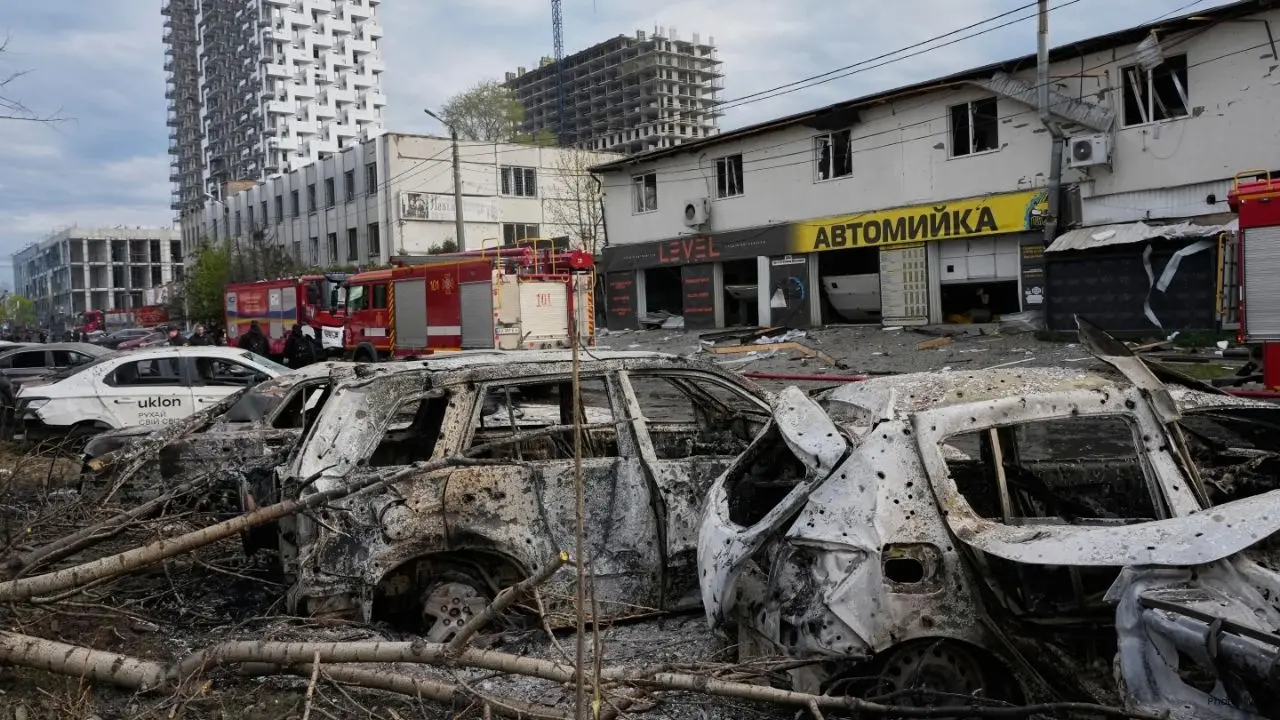
Despite efforts for a ceasefire, Lebanon experiences continued strife, with escalating Israeli bombardments and reactions from Hezbollah contributing to the instability. The humanitarian toll has been substantial, with countless lives lost.
Iran has tied the progress of negotiations to an end to these assaults, complicating diplomatic endeavors.
Future of Talks Remains Uncertain
While these discussions represent a significant diplomatic advancement, the path ahead is fraught with uncertainty. Persisting distrust, opposing demands, and ongoing regional strife pose considerable hurdles to achieving a sustainable accord.
The United Nations has applauded the engagement and urged both parties to approach these talks constructively to avert further escalations and foster long-term peace.
The US-Iran dialogue in Pakistan signifies a pivotal juncture in global diplomatic efforts. Addressing high-stakes issues could potentially redefine the landscape of the Middle East and influence global economic conditions.