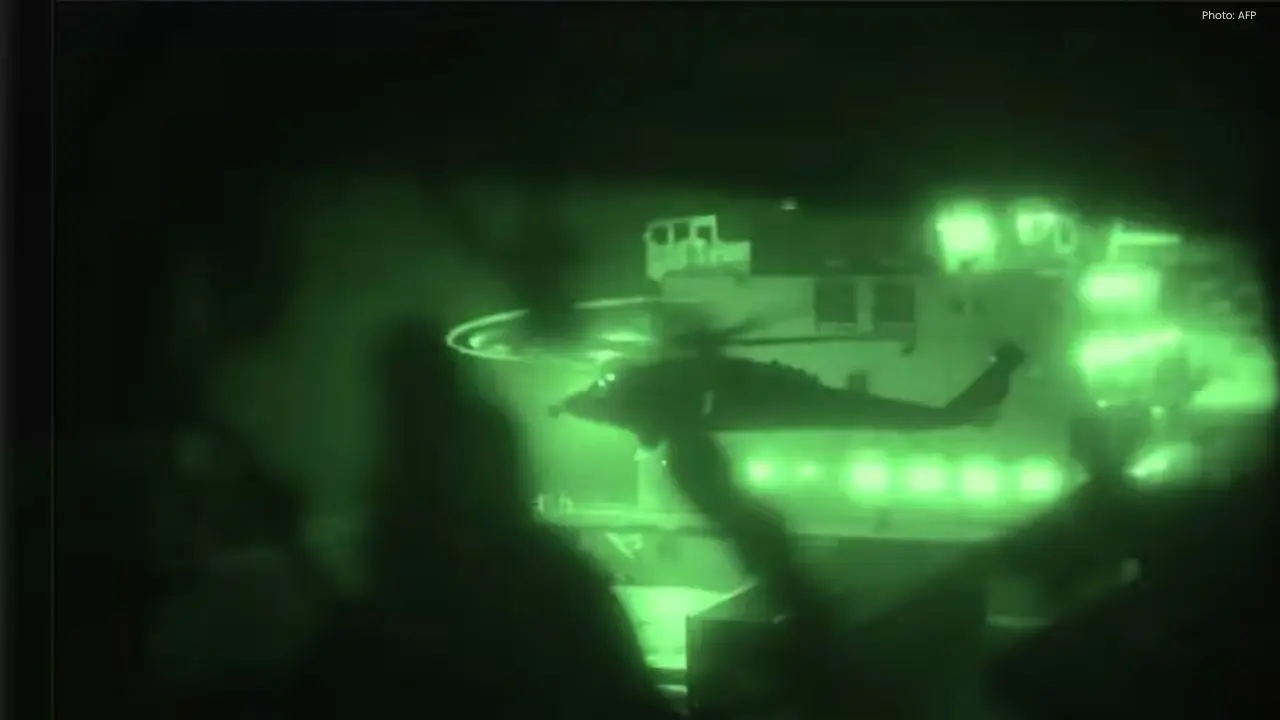
US Navy forces have allegedly seized an Iranian cargo vessel, MV Touska, in the Arabian Sea during an operation involving the USS Spruance. Marines from the USS Tripoli subsequently boarded the ship and assumed control.
US officials stated the ship was halted for not adhering to maritime orders. Former President Donald Trump defended the action, asserting it was essential, while also expressing the U.S.’s willingness to engage in peace discussions with Iran.
However, Iran vehemently refuted these claims. The Islamic Revolutionary Guard Corps (IRGC) termed the move as “armed piracy” and vowed that Iran's military would retaliate, outright rejecting the possibility of negotiations in the current climate.
This incident has further inflamed tensions in the region, particularly impacting vital shipping lanes like the Strait of Hormuz and the Bab el-Mandeb, which are crucial for global oil shipments and trade. The rising instability is already exerting pressure on shipping insurance premiums and operational efforts.
Furthermore, there are heightened regional tensions stemming from ongoing conflicts involving Israel and adversarial forces in Gaza, the West Bank, and Yemen, which intensify concerns regarding military readiness and supply logistics.
Experts suggest that safeguarding pivotal maritime routes would necessitate substantial US naval resources, potentially straining their military commitments elsewhere, including Europe and Asia.
Internally, Iran faces contrasting views, with civilian authorities advocating for de-escalation, while hardline IRGC factions push for a more confrontational approach.
The situation is particularly precarious, with apprehensions that escalation could adversely affect global oil prices, trade pathways, and overall stability in the region.