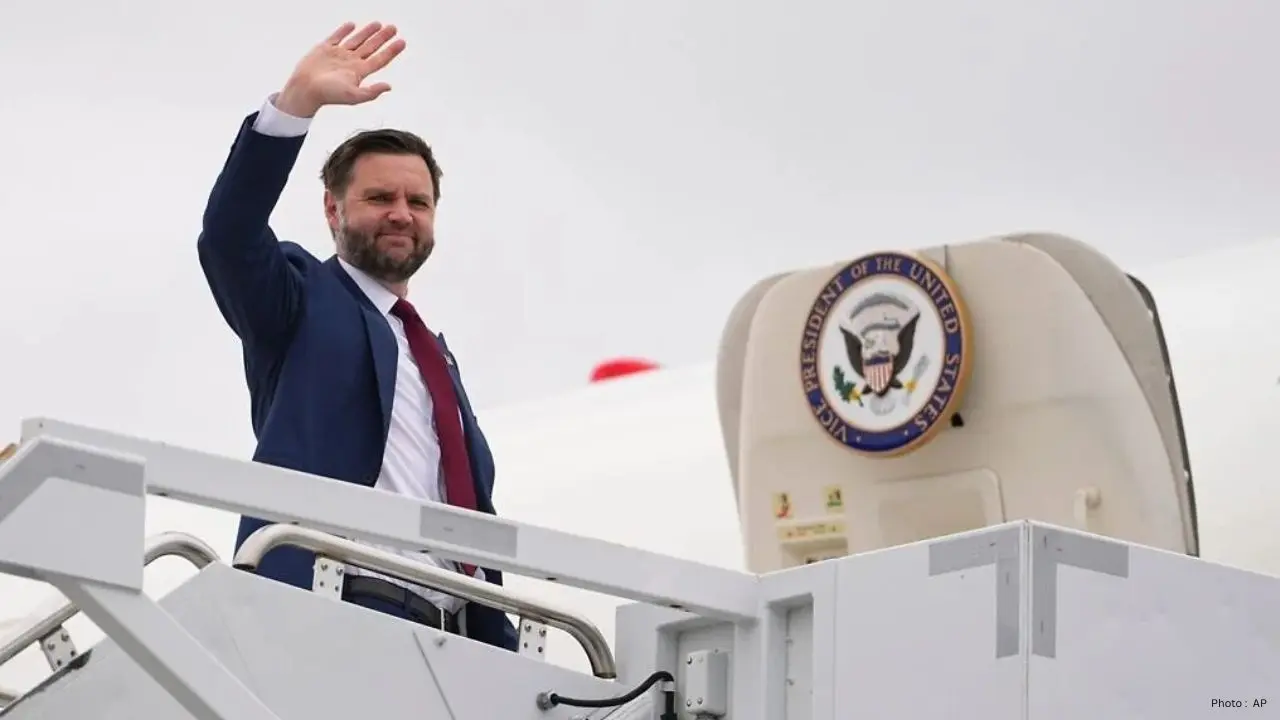
U.S. Vice President JD Vance stated that while direct conflict with Iran is not imminent, the recent warning shots in the Strait of Hormuz signify a perilous escalation.
This incident unfolds amidst increasing military activity in the Gulf, drawing international scrutiny due to the Strait of Hormuz’s significance as a vital shipping lane for oil. Any disturbances in this region can ripple through global trade and affect fuel prices.
U.S. officials are closely observing Iranian naval movements following reports of warning shots aimed near vessels navigating the strategic waterway. Although there have been no significant injuries or damage reported, the occurrence has amplified global leaders’ fears of a broader regional crisis.
Vice President Vance underscored Washington's intent to avert outright conflict while voicing concerns over actions that could lead to greater instability in the Gulf.
The long-standing discord between Washington and Tehran over sanctions, military reach, nuclear developments, and regional security has historically strained diplomatic ties.
Attempts to foster dialogue have yielded minimal advancements, as unresolved key differences linger. Experts suggest that the prevailing mistrust boosts the likelihood of miscommunication during military exercises in these congested waters.
The Strait of Hormuz, located between Iran and Oman, is crucial for the global economy, connecting the Persian Gulf to the Arabian Sea. Daily, massive shipments of oil and gas flow through this passageway to international markets.
Even minor security disruptions in this area can sway oil prices, as investors remain wary of potential supply interruptions. Market fluctuations are closely monitored by shipping companies and financial sectors due to the region’s economic significance.
Numerous nations have echoed calls for restraint to ensure the situation does not deteriorate further. European states, alongside Middle Eastern allies, advocate for conflict resolution through diplomacy rather than military escalation.
Naval forces from various countries are actively deployed in the vicinity to safeguard commercial shipping lanes and uphold maritime safety. The success of international trade hinges on the secure passage through the Gulf.
Analysts caution that prolonged tensions around the Strait of Hormuz could elevate transportation costs and exert added pressure on global fuel markets. Nations dependent on foreign energy may encounter economic hardships if shipping operations face disruptions.
This turmoil has heightened apprehension among Gulf countries heavily reliant on oil exports and safe trade routes. Regional leaders persistently urge a de-escalation of military strain and a focus on diplomatic engagement.
The ongoing events near the Strait of Hormuz have drawn renewed global attention to U.S.-Iran relations, with international leaders keenly observing whether diplomatic initiatives can curtail confrontation risks and uphold stability in this pivotal energy passage.