In a significant display of solidarity, the United States along with several Latin American and Caribbean nations have united in a statement affirming Panama’s sovereignty during escalating global tensions. This development underscores Panama's crucial role in the realms of international trade and politics.
The joint assertion from these nations underscored the need to respect Panama’s independence, raising flags about potential economic exertion and asserting that smaller nations must retain the autonomy to make independent choices without outside meddling.
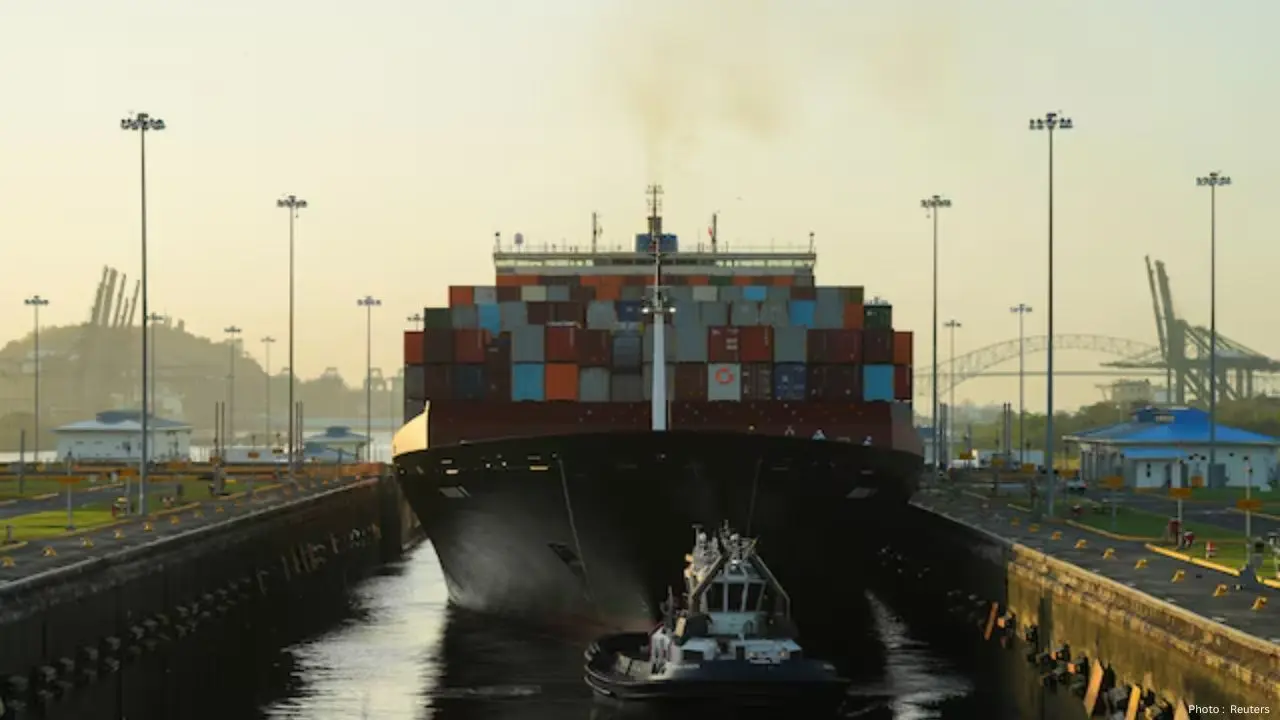
This context exposes the deepening rivalry among prominent global players, particularly given the Panama Canal's status as a pivotal conduit for global shipping, making any developments concerning Panama a worldwide concern.
Following a legal ruling in Panama that impacted foreign-linked business interests, subsequent worries regarding shipping delays and intensified inspections have fueled uncertainties within global markets.
For the United States and its regional allies, this issue transcends trade; it embodies a broader agenda of upholding national sovereignty and ensuring equitable global practices. Their unified stance demonstrates a commitment to safeguarding Panama’s right to make independent choices.
This evolving scenario also reflects a broader global phenomenon where economic instruments such as trade regulations and shipping protocols are tactically employed in political maneuvering, complicating international relations.
Panama faces a precarious situation, balancing its legal and economic strategies while negotiating pressures from dominant nations. Its pivotal role as a global trade hub necessitates stability, as disruptions could ripple across supply chains and inflate costs globally.
This circumstance illustrates how smaller nations can play crucial roles in global power dynamics. With its strategic location, Panama is becoming increasingly significant in geopolitical discussions.
The collaborative endorsement from various countries reflects a burgeoning solidarity among regional partners, as nations unite in defending core principles such as sovereignty and equitable treatment on the global stage.
The complexities of this situation demand careful navigation, emphasizing the necessity for ongoing dialogue and cooperation to avert further escalation, given that global trade and political stability hinge on fair and balanced inter-nation relationships.