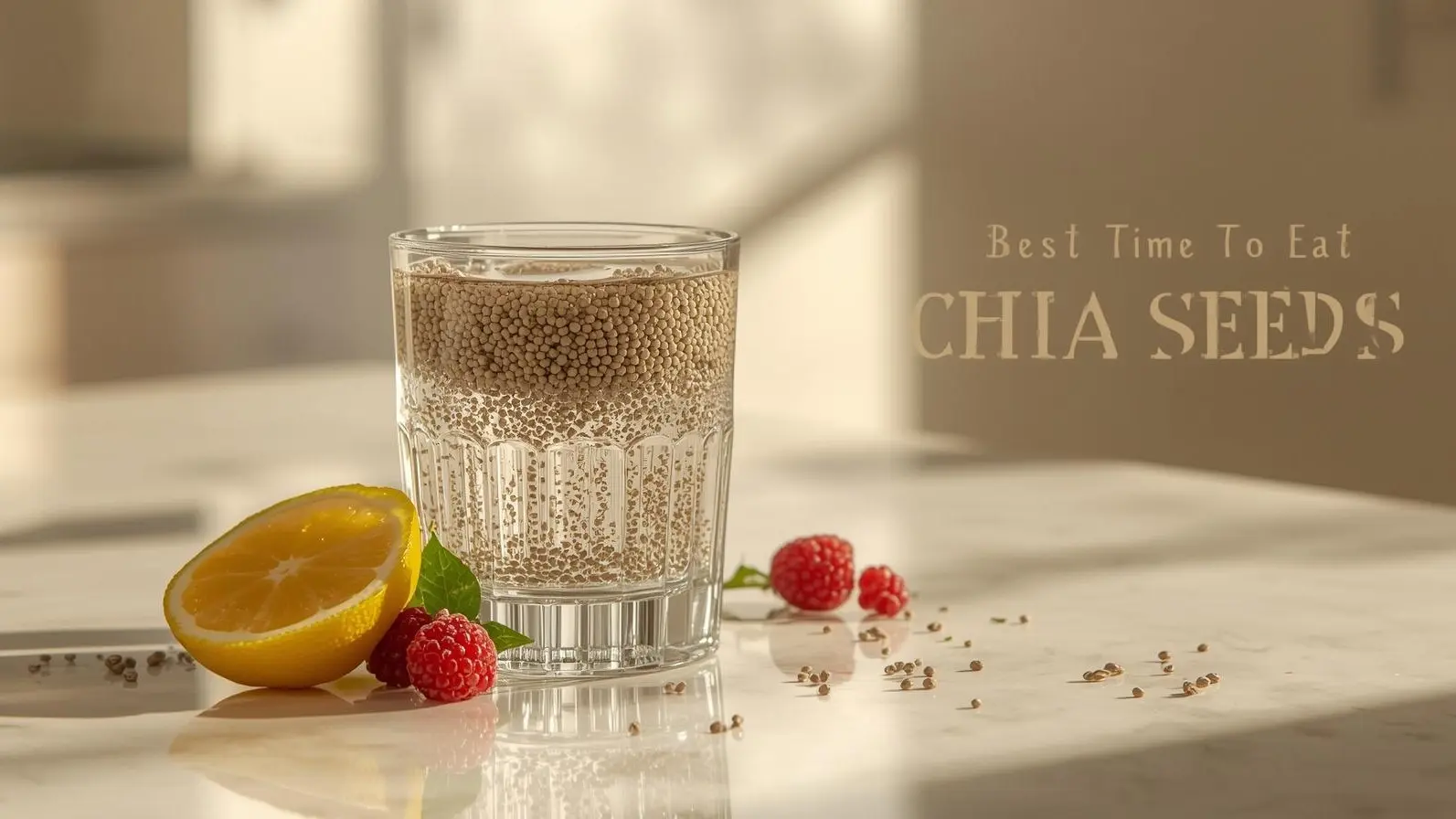
Optimal Times to Enjoy Chia Seeds for Gut Wellness and Fiber Advantages
Chia seeds have quickly risen to prominence in the wellness community, and for good reason. They are abundant in fiber, omega-3 fatty acids, and crucial nutrients that enhance digestion and overall health. A common query arises: what's the best timing for consuming chia seeds to maximize gut health and fiber intake?
This isn’t merely about timing; it's about how and when your body can utilize their benefits most effectively.
Why Chia Seeds Are Beneficial for Gut Wellness
Chia seeds are notably high in soluble fiber. When mixed with liquid, they create a gel-like substance that slows digestion, consequently nourishing healthy gut bacteria.
This mechanism promotes enhanced digestion, regular bowel movements, and a balanced gut microbiome. Additionally, their high fiber content encourages a feeling of fullness, aiding in weight management.
Morning Consumption: The Perfect Start
A prime time to consume chia seeds is in the morning, particularly on an empty stomach.
When eaten early, they activate digestion and offer sustained energy. The gel-like fiber absorbs liquid and expands in the stomach, which can curtail hunger and help prevent overeating throughout the day.
This makes consuming them in the morning an excellent choice for enhancing digestion and managing appetite naturally.
Pre-Meal: For Enhanced Appetite Regulation
Ingesting soaked chia seeds around 20–30 minutes before meals can aid in reducing overall calorie intake.
Because they swell in your stomach, they generate a sense of fullness, which can deter overeating and promote weight loss and portion control.
This approach is especially beneficial for individuals looking to manage their diet without strict restrictions.
Evening Consumption: Beneficial for Digestion, With Caution
Chia seeds can also be enjoyed at night, particularly if your focus is on improving digestion.
The fiber content supports regular bowel activity and can facilitate digestion overnight. However, excessive intake before bed may lead to discomfort for some due to their high fiber concentration.
When consuming them at night, moderate quantities are essential for healthy digestion and gut support.
Soaked Versus Dry: A Crucial Consideration
How you prepare chia seeds is just as important as when you consume them.
Dry chia seeds can absorb liquids in your throat or stomach, potentially causing discomfort. Always soak them in water, milk, or another liquid before consumption.
Soaked seeds enhance digestibility and yield maximum fiber absorption and gut health advantages.
Daily Serving Recommendations
Moderation is crucial. A recommended amount is typically 1–2 tablespoons each day.
Sudden increases in fiber intake can lead to bloating or digestive disturbances. It’s advisable to start small and gradually raise your consumption.
This permits your body to adapt while still harnessing the benefits of high-fiber superfoods for digestion.
Avoiding Common Pitfalls
Many individuals do not consume chia seeds correctly, limiting their potential benefits.
Common mistakes include:
- Eating them dry
- Ingesting excessive quantities at once
- Failing to drink enough water
By avoiding these errors, you'll ensure that you gain the full advantages of chia seeds for gut health and digestion.
Consistency Is Key
So, when should you enjoy chia seeds?
Morning is best for energy and digestion, pre-meal assists with appetite regulation, and nighttime can benefit digestion with careful consumption.
However, the real key is consistency. Regular intake, proper soaking, and balanced consumption are what truly release the benefits.
Disclaimer
This article serves informational purposes only and is grounded in general nutrition knowledge. Individual outcomes may differ. Please consult a healthcare professional if you experience digestive issues or have specific dietary concerns.